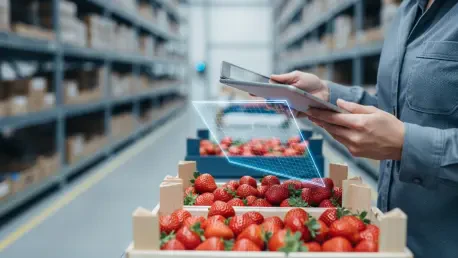

The inherent volatility of fresh produce logistics has long forced grocers to rely on subjective human assessments that often lead to inconsistent quality across different regions and distribution centers. To address these systemic inefficiencies, Albertsons Companies Inc. has recently deployed a patent-pending “Intelligent Quality Control” tool that modernizes the inspection of perishable goods throughout its massive domestic supply chain. Developed in a strategic collaboration with Google Cloud, this sophisticated computer vision technology utilizes the Gemini Enterprise Agent Platform to assist specialized quality inspectors at major distribution hubs. By processing high-resolution digital images of incoming shipments, the artificial intelligence provides objective, data-driven ratings and specific recommendations based on the retailer’s rigorous internal quality standards. This shift toward automated visual analysis ensures that the evaluation of delicate items is no longer subject to the fatigue or varying perspectives of individual inspectors, creating a more reliable baseline for every crate that enters the system.
Standardizing Perishables Through Vision Technology
The implementation of this vision-based tool represents a significant technological pivot toward standardized logistics in a grocery industry historically plagued by manual variability and high waste. Currently, the system focuses its advanced analytical capabilities on highly perishable items like strawberries and green grapes, which are notorious for their short shelf lives and sensitivity to environmental shifts. By using the Gemini Enterprise Agent Platform, the system can identify subtle defects or ripening patterns that might be overlooked during a traditional rapid-fire inspection. This level of precision is vital for maintaining the integrity of the berry category, which is the next target for a total nationwide rollout across all distribution centers. The objective nature of the AI-generated reports allows the company to establish a “gold standard” for freshness, ensuring that only produce meeting specific algorithmic thresholds makes its way to the retail floor, thereby reducing the likelihood of premature spoilage and improving overall inventory turnover rates.
Beyond the immediate operational gains in speed and accuracy, the tool enables the grocer to gather extensive datasets that were previously impossible to capture through traditional pen-and-paper or manual digital logging. This initiative allows for long-term quality analysis and vendor improvement, as the software tracks performance trends among various suppliers over extended periods. By integrating Vision AI into its multi-billion-dollar supply chain, Albertsons—ranked among the largest digital retailers in North America—aims to improve product longevity and boost customer satisfaction through a more predictable shopping experience. The initiative is part of a broader strategic partnership with Google Cloud that has already yielded operational improvements, such as conversational AI agents for internal streamlining and digital shopping assistants. These tools collectively work to harmonize the physical and digital aspects of the grocery business, ensuring that the backend logistics are as advanced as the consumer-facing interfaces used by millions of daily shoppers.
Enhancing Supply Chain Resilience and Reliability
The move to integrate machine learning into core logistical functions underscores a growing industry trend of applying advanced artificial intelligence to mitigate the financial risks associated with perishable goods. This unified approach reflects a commitment to leveraging high-tech solutions to maintain competitive standards and ensure that the supply chain remains resilient against external pressures. By synthesizing human expertise with machine learning, the company has found a way to operate more efficiently while providing a superior end-product for the consumer. The real-time nature of the “Intelligent Quality Control” tool means that potential issues are identified at the point of entry rather than on the store shelf, which drastically lowers the cost of waste. This proactive stance on quality control demonstrates how traditional retail giants are evolving into tech-centric organizations to survive in a market where precision and speed are the primary drivers of profitability and customer loyalty across all geographic regions.
Logistics teams were encouraged to utilize the generated data to refine procurement strategies and renegotiate terms with vendors whose shipments frequently fell below established AI benchmarks. By transitioning from a reactive to a predictive quality model, the organization successfully established a more transparent and accountable relationship with its global network of agricultural partners. Moving forward, the focus shifted toward expanding these vision models to encompass a wider variety of stone fruits and leafy greens, further insulating the inventory from the impacts of seasonal fluctuations. Stakeholders recommended that future iterations of the technology integrate real-time transit data to better correlate quality degradation with specific shipping routes or environmental conditions during transport. This holistic view of the supply chain provided the necessary insights to optimize cold-chain management and ensure that the technological investment translated into tangible improvements in food security and environmental sustainability throughout the entire retail lifecycle.