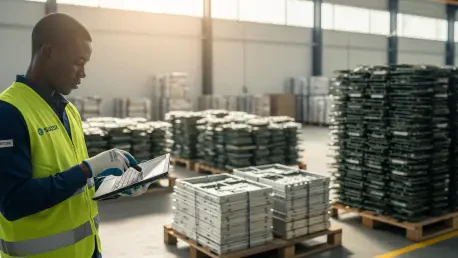

The rapid accumulation of discarded electronics across the African continent has reached a critical tipping point where traditional disposal methods are no longer sufficient to mitigate the escalating environmental damage. Nigeria, standing as the largest economy in Africa, currently navigates a particularly daunting landscape as it imports more than 100,000 tonnes of electronic equipment every year to satisfy consumer demand. Much of this hardware consists of second-hand devices that arrive near the end of their functional lifespan, leading to a massive and rapid accumulation of discarded technology that the local infrastructure is ill-equipped to process. Historically, approximately 90% of the e-waste in Nigeria has been managed by the informal sector, where unregulated scrap dealers utilize hazardous methods like open burning to recover valuable metals. These primitive practices release dangerous toxins such as lead, mercury, and cadmium into the soil and air, creating a public health crisis that requires immediate digital intervention.
Marketplace Connectivity: Bridging the Digital Divide
Gocycle’s marketplace acts as a centralized hub that connects households and corporate entities with certified recyclers and professional collectors in a seamless digital environment. By digitizing the entire transaction process, the platform allows for the easy scheduling of waste pickups and ensures that all materials are verified and handled according to modern environmental standards. This technological layer brings much-needed stability to the market, effectively eliminating the price volatility and the lack of accountability that typically plague the informal trade of scrap materials. Through a user-friendly interface, participants can track their contributions to environmental sustainability while receiving fair market value for their discarded devices. This move toward a structured system represents a fundamental shift away from the chaotic and often dangerous street-level transactions that have defined the Nigerian e-waste landscape for the past decade and more.
Beyond simple logistics, the platform is proving its worth through increased operational efficiency and rigorous compliance with global corporate standards. Pilot data from the current operations in Lagos reveals that digital scheduling has slashed idle time for waste collectors by roughly 70%, enabling them to handle larger volumes of material more effectively than ever before. Additionally, the platform provides a comprehensive digital paper trail for companies needing to meet their Environmental, Social, and Governance mandates, ensuring that their old hardware is recycled responsibly rather than ending up in a landfill. By offering detailed reporting and analytics, the system empowers businesses to demonstrate their commitment to sustainability to stakeholders and regulators alike. This level of transparency was previously impossible to achieve within the fragmented informal sector, making the digital approach a cornerstone for any modern corporation operating in the region today.
Urban Mining: Unlocking Africa’s Economic Potential
Transitioning toward a circular economy allows the continent to view e-waste as a source of valuable raw materials rather than just an environmental liability or a waste management burden. This concept of urban mining is significantly more energy-efficient than traditional mining operations, as it requires far less power to recover metals like copper and aluminum from existing devices than to extract virgin ores from deep within the earth. By formalizing this sector, Nigeria and its neighbors can reduce their reliance on expensive imported raw materials and foster a more self-sufficient industrial base that supports local manufacturing and repair industries. The recovery of precious metals like gold and silver from circuit boards also provides a lucrative secondary market that can fuel economic growth. As global resource scarcity becomes more pronounced, the ability to reclaim and reuse materials from within the domestic economy will become a vital strategic advantage for developing nations.
The success of this transition also depends heavily on the social welfare and professional development of the people currently working in the informal waste sector. Instead of displacing these vulnerable individuals, the digital marketplace model seeks to integrate them into a safer and more profitable formal system that recognizes their essential role in the supply chain. By providing collectors with better tools, protective gear, and higher standards of occupational safety, the platform helps secure more consistent income streams while protecting workers from the toxic hazards associated with primitive recycling methods. Training programs are being implemented to ensure that collectors understand the technical requirements of handling lithium batteries and other sensitive components. This holistic approach not only cleans up the environment but also uplifts the community by turning hazardous labor into a dignified profession that contributes to the green economy.
Regulatory Frameworks: Driving Policy and Regional Growth
The introduction of digital tools supports existing government frameworks, such as the Extended Producer Responsibility regulations established by Nigerian environmental agencies. While these rules have been on the books for several years, enforcing them within a sprawling and unorganized network of scrap dealers and small-scale repair shops has always been a significant challenge for regulators. Gocycle and similar platforms provide the necessary infrastructure that makes compliance easier for all parties involved, aligning with broader continental goals to strengthen regional value chains and green industries. By creating a transparent ledger of where waste originates and where it is eventually processed, the digital marketplace assists the government in monitoring industry trends and identifying gaps in current legislation. This synergy between private innovation and public policy is essential for creating a sustainable regulatory environment that can adapt to the rapid pace of change.
Looking ahead, the ambition for digital e-waste management extends far beyond the borders of Nigeria as other nations look to replicate this successful model in their own urban centers. With ambitious plans to onboard 50,000 active collectors across the African continent, this digital model is designed to grow alongside the rapid digital transformation that is currently reshaping every sector of the economy. As smartphone and computer usage continues to surge among the growing youth population, a robust and scalable management system will be essential to ensure that this progress does not come at the expense of environmental health. The goal is to create a pan-African network of recyclers that can share resources, technology, and best practices to address the e-waste crisis at scale. By leveraging the power of mobile connectivity and data analytics, the continent can leapfrog outdated waste management practices and establish itself as a global leader in circular economy initiatives.
Actionable Progress: Building Circular Resilience
The initial implementation of digital marketplaces for electronic waste demonstrated that technology could effectively bridge the gap between environmental necessity and economic viability. Stakeholders realized that the transition required more than just software; it necessitated a fundamental shift in how societies valued discarded materials and the people who collected them. Governments recognized the need to provide tax incentives for companies that participated in these digital ecosystems, while financial institutions began to offer specialized credit lines for recyclers looking to upgrade their facilities. Moving forward, the focus shifted toward designing electronics with their eventual recycling in mind, a concept known as design for disassembly. This proactive approach ensured that future devices were easier to process, further reducing the environmental burden on African nations while creating a more sustainable pipeline for high-quality recycled materials.
To ensure the longevity of these digital ecosystems, it became clear that a multi-stakeholder approach was necessary to sustain the momentum of the green transition. Educational campaigns targeted at the household level helped change public perception, shifting the view of old electronics from trash to valuable resources that should be managed with care. Furthermore, the integration of vocational training for repair technicians allowed for a more robust maintenance economy, extending the life of devices before they even reached the recycling stage. These efforts were complemented by regional trade agreements that facilitated the legal and safe movement of e-waste to specialized hubs where complex materials could be processed with higher precision. As these systems matured, they provided a blueprint for other emerging markets facing similar environmental challenges, proving that digital innovation is a powerful tool for ecological restoration and economic empowerment.