
The traditional image of a lumber yard involves dusty ledgers and phone calls, but a modern revolution is quietly replacing the familiar “add to cart” button with sophisticated autonomous agents that understand the nuances of a job site. While many industrial distributors continue to funnel millions of dollars into standard “point-and-click” web stores, BlueLinx is operating on the conviction that the classic e-commerce interface is already a relic of a bygone era. In a strategic maneuver that defies the standard digital playbook, the company has characterized the typical multi-year e-commerce rollout as a foolhardy endeavor. Instead of building a digital catalog for customers to browse, they are architecting a world where complex building material orders are handled through natural language.
This pivot suggests a leapfrog approach to technology, aiming to bypass an entire generation of web development in favor of agentic commerce. The leadership argues that by the time a traditional B2B website is fully functional, the underlying technology will have moved toward more intuitive, autonomous systems. Consequently, the focus has shifted from creating a digital storefront to building a sophisticated backend capable of interpreting intent and managing the heavy lifting of SKU matching and logistics without human intervention. This direction positions the company as a pioneer in an industry that has historically been slow to embrace digital change.
Navigating the Volatility of a Shifting Housing Market
The building products sector currently finds itself in a precarious position, wedged between the soft demand of a stagnant housing market and the erratic price swings of structural commodities. For BlueLinx, these economic headwinds have created a significant divide in performance between different product lines. While specialty products such as engineered wood and intricate millwork show remarkable resilience, the commoditized structural segment has struggled against deflationary pressure. This environment has made the pursuit of extreme operational efficiency a necessity rather than a choice, driving the company to seek out digital solutions that provide long-term agility.
Rather than relying on traditional cost-cutting measures, the organization is utilizing this period of market softness to accelerate its digital transformation. The volatility in lumber and plywood prices serves as a constant reminder that margins can vanish quickly without precise data and rapid response times. By prioritizing a digital-first approach during these lean times, the company is preparing to capitalize on the eventual market recovery with a more streamlined and responsive business model. This strategy highlights a commitment to long-term structural improvement over short-term earnings fluctuations.
The Pillars of an AI-First Distribution Strategy
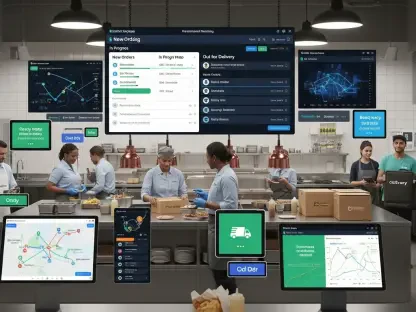
The core of the BlueLinx strategy involves embedding artificial intelligence into the very fabric of how products move from the mill to the local job site. A primary focus of this initiative is conversational commerce, which moves away from forcing customers to navigate complex online portals. The goal is to create interfaces where retailers and builders can place orders using natural language. This allows the AI to manage the complexities of inventory availability and logistics in the background, making the transaction feel like a simple conversation rather than a technical data entry task.
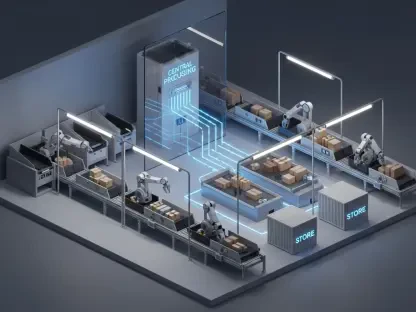
Supporting this vision is a massive overhaul of the company’s internal data management systems. Establishing a robust data foundation was a non-negotiable first step, ensuring that every AI model has access to clean, real-scale information. This digital infrastructure is paired with the implementation of the Oracle Transportation System, which automates and optimizes the physical delivery of goods across the country. Furthermore, the company has empowered its salaried workforce to build their own AI agents. By providing tools to create custom automated workflows, the organization has begun to eliminate manual data entry and provide instant, localized analysis of market trends.
Insights From the Front Lines of Digital Transformation
CEO Shyam Reddy has been a vocal proponent of this strategic pivot, emphasizing that the sheer speed of AI development makes traditional B2B websites obsolete before they even launch. By focusing on internal productivity and external agentic commerce, the company is seeking to redefine itself as a product-centric organization. This shift has not been without its financial challenges, as evidenced by a dramatic drop in net income. However, industry analysts note that the company’s ability to generate $56 million in free cash flow suggests a level of disciplined liquidity that allows for continued investment in high-stakes technology.
The transition highlights the tension between maintaining short-term profitability and securing a competitive advantage in the future. While the investment costs and market conditions have put pressure on the bottom line, the focus remains on the “specialty” category, which offers higher margins and greater stability. By avoiding the sunk costs associated with legacy web platforms, the company is betting that its streamlined, AI-driven operations will eventually offer a superior customer experience. This approach serves as a case study for how legacy industries can navigate the transition into a world dominated by autonomous systems.
Strategies for Integrating AI Into Industrial Operations
The path toward digital modernization provided several clear takeaways for the broader industrial sector. Prioritizing data hygiene proved to be more critical than the user interface itself, as the effectiveness of any automation project relied entirely on the quality of the information consumed by the models. The organization discovered that cleaning and structuring internal data was the essential prerequisite for all subsequent innovations. This foundational work allowed the company to pilot a new warehouse management system with promising results, demonstrating that physical supply chain improvements must mirror digital advancements.
Decentralizing the development of AI tools also emerged as a vital component of the transition. By providing low-code tools to the general workforce, the company fostered an environment where individual employees solved specific, local bottlenecks. This organic growth of automation led to a more rapid increase in overall operational speed than a centralized IT approach could have achieved. The rollout of these systems was managed through a disciplined timeline, ensuring that each phase of the technological leap was tested in a controlled environment. These steps ensured that the organization remained resilient while building the infrastructure necessary to thrive in an increasingly autonomous marketplace.