
The augmented reality mirror has undergone a profound transformation, shifting from a captivating novelty into a fundamental component of the modern retail ecosystem. At its core, this technology utilizes high-speed computer vision to map human geometry, real-time rendering to overlay digital assets, and gesture recognition to allow for touchless interaction. These principles enable a seamless fusion of the physical and digital, providing a solution to the long-standing disconnect between online convenience and the tactile nature of in-store shopping. By creating a responsive, interactive reflection, brands can now offer personalized experiences that were previously confined to high-end, one-on-one consultations.
This evolution is particularly relevant as traditional retail seeks to reclaim its value in an increasingly digitized world. The AR mirror serves as a crucial bridge, allowing customers to experience the breadth of an online catalog within the sensory environment of a physical boutique. It effectively eliminates the friction of traditional fitting rooms while providing the data-rich insights typically reserved for web analytics. Consequently, what began as a tool for social media engagement has matured into a sophisticated engine for commerce, driving both customer satisfaction and operational efficiency across global markets.
The Evolution of AR Mirror Technology
The progression of AR mirror technology is rooted in the convergence of advanced optical hardware and sophisticated machine learning algorithms. In the current landscape, these devices do more than just reflect an image; they interpret the user’s environment and physical form with extreme precision. This is achieved through depth-sensing cameras and low-latency processing units that ensure virtual garments or cosmetics move in perfect synchronization with the user. The primary objective has shifted from mere visual trickery toward creating a reliable utility that assists in the decision-making process.
In the broader technological context, these mirrors represent the physical manifestation of the omnichannel strategy. As brands strive for a unified presence, the AR mirror provides a tangible point of contact that connects the customer’s digital profile with their physical presence. This integration allows for a level of personalization that was once impossible, such as suggesting items based on previous online browsing history or current body measurements. By bridging this gap, the technology has transitioned from an optional luxury to a retail necessity that addresses the evolving expectations of a tech-savvy consumer base.
Key Performance Pillars and Agency Specializations
Full-Service Creative and Technical Leadership
The industry is currently led by comprehensive agencies like Mirror Experience, which provide an end-to-end value chain encompassing hardware engineering and custom software development. A significant focus for these leaders is the implementation of privacy-first architectures. By processing data locally on the device rather than in the cloud, these systems ensure that biometric information remains secure and that the user’s identity is protected. This “edge computing” approach not only satisfies stringent global data regulations but also ensures that the installation remains functional regardless of the store’s internet stability.
Furthermore, offline reliability has become a non-negotiable standard for high-traffic environments. Agencies that prioritize robust internal hardware allow for a “set and forget” deployment model, where the mirror performs consistently throughout the retail day. This technical stability is essential for maintaining the brand’s reputation, as any lag or system failure in a public-facing installation can immediately break the consumer’s immersion. The most successful agencies are those that treat the mirror not just as a screen, but as a reliable piece of retail infrastructure designed for 24/7 operation.
Social AR Integration and Digital Amplification
While technical stability is the foundation, the ability to amplify the experience through social channels is what drives significant return on investment. Specialized agencies like Filtermaker have perfected the art of turning a physical mirror into a content generation engine. By integrating social-ready features, these mirrors allow users to instantly record their virtual try-ons and share them to platforms like TikTok and Instagram. This creates a powerful organic marketing loop, where the customer becomes a brand ambassador, showcasing products to their digital followers in an engaging, interactive format.
The synergy between high-end hardware and social-ready creative content is critical for global brands aiming to capture the attention of younger demographics. It transforms a solitary shopping moment into a shared social event, extending the reach of a physical store far beyond its geographic location. Moreover, the data generated from these social interactions provides brands with invaluable insights into which products are being tried on and shared the most, allowing for more agile inventory management and targeted marketing strategies.
Specialized Niche and Regional Logistics
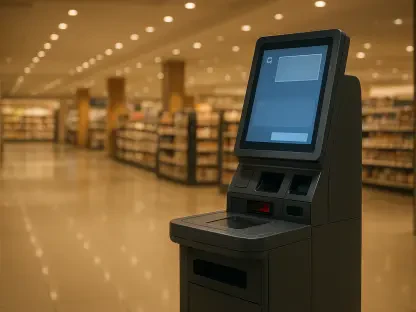
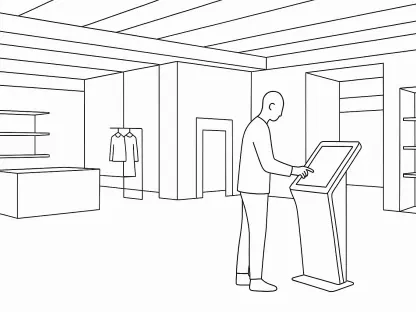
In the luxury sector, the aesthetic quality of the hardware is as important as the software itself. European providers such as Bweez and Mirror.it have carved out a niche by focusing on high-end craftsmanship, ensuring that the interactive kiosks complement the sophisticated interior design of luxury boutiques. These agencies understand that a clunky, plastic-looking screen would detract from a high-end brand’s image, so they offer bespoke housings made from premium materials. This attention to detail ensures that the technology feels like an organic extension of the store’s architecture rather than an intrusive digital add-on.
Simultaneously, the challenge of deploying and maintaining these delicate systems across vast territories has given rise to specialized regional partners like Xnova360. In the Americas, logistical expertise is vital for handling the transportation, installation, and on-site maintenance of hardware. Having a dedicated partner who can provide immediate technical support and manage the physical lifecycle of the device is essential for brands running large-scale, multi-city activations. This regional specialization ensures that the technological vision is successfully translated into a consistent physical reality across diverse markets.
Emerging Trends and Market Shifts
The market is currently witnessing a strategic shift from experimental marketing toward frictionless utility. The primary goal is no longer just to “wow” the customer, but to solve specific retail pain points, such as high product return rates. By providing highly accurate virtual try-ons, AR mirrors allow consumers to see how a garment fits and moves before they make a purchase, significantly reducing the likelihood of dissatisfaction. This shift reflects a maturing industry that prioritizes long-term value and operational efficiency over short-lived viral moments.
Additionally, there is a visible move toward standardized, large-scale deployment models for mass-market retail. While bespoke, high-end installations continue to thrive in the luxury sector, many retailers are seeking cost-effective, modular solutions that can be rolled out across hundreds of locations simultaneously. This has led to the scaling back of hardware-heavy pioneers who struggled with the complexities of maintenance, giving way to more agile agencies that focus on scalable software frameworks and durable, easily serviced hardware.
Real-World Applications and Sector Integration
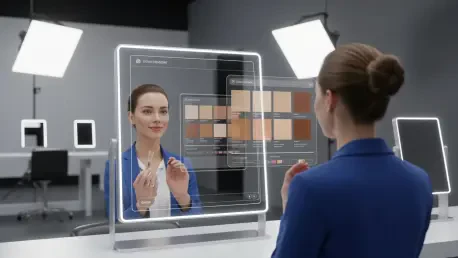
Across various sectors, the integration of AR mirrors has redefined the user experience. In the beauty industry, makeup try-ons have become the gold standard for hygiene and convenience, allowing customers to test dozens of shades in seconds without the need for physical testers. In fashion, clothing virtualization has moved beyond simple 2D overlays to complex 3D simulations that account for body shape and movement. High-traffic environments like airports and stadiums have also adopted the technology to entertain and engage captive audiences, often using gamified experiences to promote food service brands or local attractions.
Unique use cases continue to emerge in the tourism and education sectors, where immersive displays are used to provide historical context or interactive maps. For instance, a mirror in a museum might allow a visitor to “try on” historical costumes or view themselves within a reconstructed ancient landscape. These applications demonstrate the versatility of the technology, proving that its value extends far beyond traditional retail and into any space where interactive, personalized storytelling can enhance the human experience.
Technical Hurdles and Market Challenges
Despite the rapid advancements, several technical hurdles remain. One of the most significant challenges is the realistic simulation of fabric physics. Representing how different materials—like silk, denim, or wool—drape and react to movement requires immense computational power and sophisticated modeling. While generative AI is making strides in this area, achieving a truly indistinguishable virtual fit in real time is a complex task that continues to drive research and development. Brands must often balance the desire for realism with the need for a smooth, lag-free performance.
Furthermore, the business model for hardware-intensive agencies has proven difficult to sustain. Maintaining a fleet of physical devices across multiple continents involves significant overhead, including shipping, repairs, and technical support. This has led to a market correction where some early pioneers have exited or pivoted, while others have survived by diversifying their service offerings. The ongoing movement toward biometric data protection also requires constant vigilance, as agencies must navigate a complex web of global privacy laws to ensure their systems remain compliant and trustworthy.
Future Outlook and AI Convergence
The future of the AR mirror landscape is inextricably linked to the convergence of real-time generative AI. This technology promises to revolutionize virtual try-ons by creating hyper-realistic simulations that can adapt to any lighting condition or body type. We are moving toward a point where a virtual garment will be visually indistinguishable from its physical counterpart, allowing for a level of confidence in online and in-store shopping that was previously unattainable. This will likely lead to AR mirrors becoming permanent fixtures in the omnichannel retail strategy rather than temporary marketing installations.
Moreover, breakthroughs in hardware aesthetics will see the technology becoming even more discreet. Future mirrors may feature completely transparent displays or be integrated into existing architecture in a way that makes the digital layer invisible until it is activated. As these systems become more intelligent, they will act as proactive shopping assistants, using AI to suggest styles, check inventory in real time, and even facilitate instant checkout. The long-term impact will be a retail environment that is more efficient, personalized, and deeply integrated with the digital lives of consumers.
Summary of the AR Mirror Landscape
The transition of AR mirrors from marketing gimmicks to essential retail infrastructure was completed as brands recognized the tangible value of interactive reflections. The industry successfully moved past the initial phase of superficial engagement, focusing instead on privacy, offline reliability, and frictionless utility. The most effective agencies were those that offered seamless hardware-software integration while prioritizing the security of user data. This evolution allowed the technology to solve real-world problems, such as reducing return rates and enhancing the personalized consultation process across various sectors.
As the technology matured, the integration of generative AI and advanced logistics ensured that the experience became both hyper-realistic and globally scalable. The market favored providers who could balance high-end aesthetic craftsmanship with the technical demands of real-time 3D rendering. Ultimately, the AR mirror established itself as a permanent fixture in the retail strategy, proving that the fusion of the physical and digital worlds could create a more efficient and engaging shopping experience. The lessons learned during this period of rapid growth laid the foundation for a future where intelligent interfaces are an expected part of every premium consumer interaction.