
The shopping experience is ultimately the culmination of daily decisions made by store personnel who must balance curbside pickup demands with physical store maintenance. In the fast-paced environment of modern commerce, the friction between digital expectations and physical reality can often lead
Government officials estimate that tens of thousands of online sellers are currently failing to meet their tax obligations, undermining the stability of the retail sector. This assessment arrives as the UK Treasury prepares a landmark fiscal update aimed at rebalancing the competitive landscape

By placing interactive augmented reality experiences in shop windows, brands like Kiehl’s and Bershka have successfully boosted store entry rates and transformed the traditional customer funnel. In the current retail landscape of 2026, the transition from passive digital displays to interactive

While dogs lead in numbers, the feline segment now accounts for 30% of the market, driven by a rising demand for specialized hygiene and advanced odor-control solutions. This shift highlights a deeper structural transformation within Mexico where the traditional concept of pet ownership has been
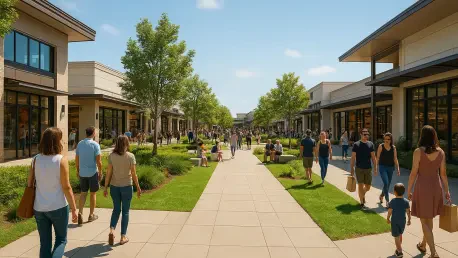
The retail landscape in Katy shifted significantly on October 11, 2026, with the arrival of a 148,000-square-foot Target featuring an integrated CVS Pharmacy and Starbucks. This opening serves as a cornerstone for the Texas Heritage Marketplace, a massive $400 million development by NewQuest that

The retail landscape has undergone a tectonic shift where the digital storefront now acts as the front door to the physical shop, creating a symbiotic relationship that redefines traditional shopping metrics. Contemporary retail is no longer defined by a binary choice between online and offline
1 2 3 4 5 6 7 8 9 10 11 12 13 14 15 16 17 18 19 20 21 22 23 24 25