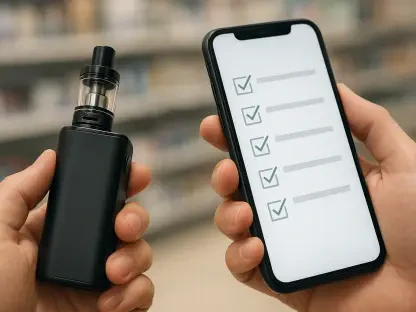

The rapid proliferation of unregulated nicotine delivery systems in convenience stores and dedicated smoke shops has finally reached a regulatory breaking point within the Commonwealth of Virginia. Starting in July 2026, the state will implement a comprehensive framework designed to dismantle the expansive gray market of unauthorized vapor products that have operated with relative impunity for years. This shift marks a significant departure from previous years, signaling a new era of strict accountability led by the Office of the Attorney General and the Virginia Alcoholic Beverage Control Authority. Rather than focusing solely on point-of-sale age verification, the new mandates establish a multi-layered oversight system that scrutinizes the legality of every individual product sitting on retail shelves. By transitioning toward a more aggressive monitoring posture, the Commonwealth aims to ensure that only certified, safety-reviewed items are available to the public, thereby closing loopholes that allowed illicit distributors to flourish.
Strengthening Oversight and Market Controls
The legislative overhaul beginning in July 2026 establishes a rigorous administrative protocol that moves beyond the voluntary compliance models of the past. Central to this transformation is the integration of the Virginia Alcoholic Beverage Control Authority into the daily operations of nicotine retailers. This agency now holds the power to grant or revoke the privilege of selling vapor products based on strict adherence to both state and federal statutes. The shift ensures that tobacco and nicotine sales are no longer treated as secondary retail activities but as highly regulated commerce requiring specialized oversight. This new framework prioritizes clear communication between state regulators and business owners, mandating that every retailer understands their legal obligations under the threat of license suspension. By centralizing authority, the Commonwealth creates a unified front against the proliferation of illicit products, ensuring that the rules are applied consistently across all jurisdictions.
Mandatory Licensing and Sustainable Funding
To remain operational under the updated statutes, every retailer must now navigate a stringent permitting process specifically tailored for liquid nicotine and tobacco sales. This requirement mandates a $400 annual application fee, which serves as more than just a bureaucratic hurdle; these funds are designated for a specialized account used to expand the enforcement capabilities of the Virginia Alcoholic Beverage Control Authority. By creating this dedicated revenue stream, the legislation ensures that the industry itself subsidizes the cost of its own oversight. This financial model allows for the recruitment and training of additional field officers who are tasked with maintaining a constant presence in the retail landscape. The transition from a passive observation model to an active policing strategy signifies a move toward a self-sustaining ecosystem where compliance is non-negotiable. Businesses must recognize that their permit fees are actively funding the inspections that will hold them accountable to legal standards.
Comprehensive Compliance Checks and Operations
With the influx of new enforcement personnel, the Virginia Alcoholic Beverage Control Authority is committed to conducting unannounced “underage buyer” operations at least once every two years for every permit holder. These operations utilize secret shoppers under the age of 21 to rigorously test whether retailers are adhering to minimum-age laws. However, the scope of these visits has expanded beyond simple identification checks. Officers are now empowered to conduct thorough inventory inspections during every visit to ensure that no unauthorized products are being offered to the public. This blending of age verification with aggressive product legality checks creates a dual-threat enforcement mechanism. Retailers who previously focused only on checking IDs must now exercise equal diligence in auditing their stock for legal compliance. This comprehensive approach ensures that the retail environment remains safe for consumers while preventing the infiltration of illicit goods that bypass standard safety protocols.
The Establishment of a Digital White-List
A cornerstone of the new regulatory regime is the Liquid Nicotine and Vapor Product Certification Directory, a digital “white-list” managed directly by the Attorney General’s Office. For any vapor product to be sold legally within state lines, manufacturers are required to submit accurate and verified certifications for inclusion in this central registry. This directory simplifies the inspection process by providing a clear, accessible database for both retailers and law enforcement to verify the status of any given product. If a specific brand or nicotine delivery system does not appear on this official list, it is automatically deemed illegal for sale. This system removes the ambiguity that often plagues tobacco regulation, as inspectors no longer need to interpret complex federal guidelines in the field. Instead, they rely on a definitive state-level resource that reflects the legal status of every item. Manufacturers are thus held to a higher standard, ensuring that only products meeting state criteria enter the market.
Prioritizing Health Outcomes and State Sovereignty
The structural control of the vapor market is bolstered by a sophisticated digital infrastructure that bridges the gap between legal policy and retail reality. By creating a definitive directory of approved products, the state eliminates the confusion that previously allowed non-compliant brands to dominate store shelves. This market management strategy is not merely about restriction; it is about creating a transparent environment where legitimate manufacturers can thrive without being undercut by illicit competitors. The move toward a state-managed registry reflects a broader trend of state governments taking direct responsibility for product safety in the absence of rapid federal intervention. This approach ensures that the specific health concerns and market dynamics of Virginia are addressed with precision. Furthermore, the collaboration between the Attorney General’s Office and local law enforcement ensures that the directory is not just a static document but a living enforcement tool.
Punitive Fine Structures and Economic Deterrents
To reinforce the authority of the state directory, Virginia has introduced a punitive fine structure designed to act as a massive financial deterrent for non-compliant businesses. Fines are assessed on a “per product” basis rather than per inspection visit, creating a compounding penalty system that can quickly escalate into ruinous figures. For a first offense, retailers may face a $5,000 penalty, but this figure rises to $15,000 for a third violation. In a practical retail scenario, a single shelf containing dozens of unlisted or unauthorized items could result in six-figure fines from a single inspection. This strategic shift makes the sale of illicit goods a risk that far outweighs any potential profit margins, effectively pricing out those who would attempt to circumvent the law. By making the cost of non-compliance potentially fatal to a business’s solvency, the Commonwealth ensures that store owners become active participants in the regulatory process, vetting their suppliers to avoid consequences.
Addressing the Prevalence of Youth Vaping
The primary motivation for these intensified measures is the alarming rise in youth vaping, which has reached a rate four times higher than traditional cigarette smoking among Virginia’s high school students. While the use of combustible tobacco has plummeted to a historic low of approximately 2% within the state, over 8% of students still report regular e-cigarette use. Many of these products utilize flashy packaging and flavor profiles specifically designed to appeal to younger demographics, often bypassing existing federal restrictions. By implementing strict retail barriers and a certified product directory, the state aims to cut off the primary supply chains for these appealing but unauthorized items. Reducing the availability of these products in local convenience stores is seen as a critical step in reversing the current public health trend. The focus remains on creating a retail environment where the barriers to entry for illicit products are too high to overcome, protecting a new generation.
Future Directions for Independent State Regulation
The implementation of this localized oversight strategy effectively shifted the burden of enforcement from distant federal agencies to responsive state-level authorities. By partnering with local zoning boards and community leaders, the Attorney General’s office successfully constructed a localized web of accountability that prioritized public health over retail volume. This approach allowed the Commonwealth to navigate the complexities of nicotine regulation with greater agility than federal frameworks permitted. Stakeholders found that prioritizing local sovereignty in market management resulted in a cleaner, more transparent retail landscape that was previously unattainable. Moving forward, the state established a precedent for other jurisdictions looking to decouple their public health outcomes from the slower processes of federal oversight. These actions demonstrated that consistent field inspections and rigorous certification standards provided a viable path toward long-term harm reduction. Virginia thus secured a more stable future.