
The decision by Glasgow-based fashion retailer Quiz to shutter its remaining thirty-seven standalone storefronts throughout the United Kingdom highlights the persistent volatility of the traditional brick-and-mortar commercial landscape. This massive overhaul serves as a stark reminder that even well-established brands must navigate an environment where foot traffic in high-street districts continues to fluctuate unpredictably. By exiting these physical locations, the company is attempting to insulate its balance sheet from the heavy burden of long-term leases and escalating business rates that have hampered domestic growth for several fiscal quarters. This restructuring represents a fundamental shift in how the retailer intends to interact with its core demographic of specialty occasion wear shoppers who are increasingly finding style inspiration through social media algorithms rather than window displays. The closure of these specific sites does not imply a total disappearance of the brand but rather a migration toward a leaner and more flexible model designed for survival in an era of rapid digital transformation.
Strategic Realignment: Impact of a Leaner Physical Presence
Moving away from standalone properties allows the corporate leadership to reallocate significant capital toward technological infrastructure and more efficient inventory management systems. This financial pivot is expected to reduce fixed operating costs by a substantial margin, providing the liquidity needed to invest in high-growth areas such as international wholesale and digital marketing initiatives. Throughout the period from 2026 to 2028, the company expects to see a stabilized margin as it sheds the liabilities associated with underperforming retail units that were no longer meeting internal performance benchmarks. Investors have largely anticipated this move as a necessary step to protect shareholder value in a market where middle-market fashion remains under intense pressure from both luxury players and ultra-fast fashion competitors. The focus now turns to how the remaining concession partnerships will handle the increased demand as the primary touchpoints for customers who still value the in-person experience.
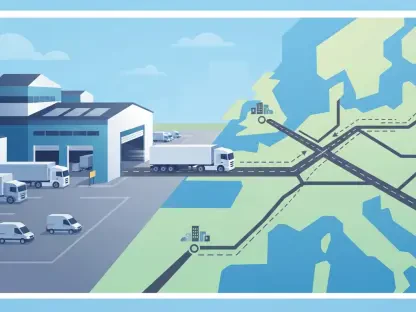
The logistical transition involves a complex coordination of inventory liquidation and staff reallocation strategies to ensure the brand remains operational during the final phases of store closures. By centralizing distribution hubs and focusing on a more robust e-commerce logistics network, the brand is positioning itself to handle the spike in online orders that typically follows a reduction in physical availability. This transition also reflects a broader industry trend where retailers are prioritizing regional hubs and localized distribution over the maintenance of expensive flagship locations in high-rent metropolitan areas. The data collected from the final months of store operations will likely inform future decisions regarding pop-up locations or temporary showrooms, which offer much lower financial risk than permanent leases. This strategy allows the brand to maintain a physical presence during peak shopping seasons without the long-term financial commitments that previously constrained its ability to pivot quickly in response to trends.
The decision to abandon standalone retail units ultimately signaled a transition toward a more sustainable and modern business philosophy that prioritized operational flexibility over traditional presence. Industry analysts observed that the most successful retailers during this period were those who recognized the necessity of integrating physical touchpoints with a comprehensive digital ecosystem. For other companies facing similar pressures, the lesson was clear: maintaining a large physical footprint for the sake of brand prestige was a strategy that belonged to a different economic reality. Instead, businesses focused on building hyper-localized experiences and optimizing their supply chains to meet the demands of an instant-gratification consumer culture. The move encouraged a broader re-evaluation of commercial real estate utilization, leading many to explore more collaborative and shared retail spaces that minimized individual risk while maximizing customer reach. By taking these steps, the brand created a blueprint for legacy fashion retailers.