
The long-held vision of a perfectly synchronized omnichannel retail experience, where every customer interaction flows seamlessly from one channel to the next, often disintegrates into operational chaos and customer frustration when put to the test of scale. As retailers expand their digital footprint, the architectural cracks in their foundational systems begin to show, turning a promising strategy into a source of brand erosion. This analysis dissects why traditional omnichannel models falter under pressure and introduces “decision orchestration” as the modern architectural paradigm designed to align technology and operations, finally delivering on the promise of a truly coherent brand experience.
The Omnichannel Paradox: Why Scaling Breaks the Customer Promise
From Pilot to Problem: The Scaling Failure
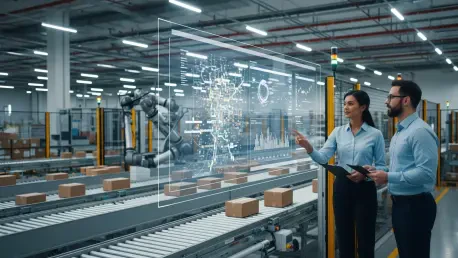
The initial success of omnichannel pilots can be dangerously misleading. Legacy systems, originally designed for the predictable pace of brick-and-mortar operations, often perform adequately in controlled, small-scale tests. However, the dynamics change dramatically with the rapid expansion into diverse digital channels like social commerce, mobile apps, and multiple online storefronts. The real-time, high-volume demands of modern digital commerce place an unsustainable strain on these older infrastructures, leading to system-wide failures that were not apparent during the pilot phase.
A primary culprit in this breakdown is the continued reliance on periodic batch processing for critical data. Information such as inventory levels, pricing updates, and order statuses are updated in discrete, delayed intervals rather than in real time. This inherent lag creates a perpetually reactive state where business decisions are consistently based on outdated information. For a modern retailer, making fulfillment or marketing choices on data that is hours old is a recipe for failure, representing a fundamental weak point in any attempt to scale a unified commerce strategy.
Symptoms of a Disconnected System
The consequences of this data latency are not abstract; they manifest as a cascade of tangible operational failures. When inventory visibility is not synchronized across all channels, a popular item can be sold multiple times over, leading to inevitable stockouts and canceled orders. This not only results in lost revenue but also severely damages customer relationships, as the brand fails to deliver on its most basic promise: providing the product the customer purchased.
From the customer’s viewpoint, these systemic flaws create a disjointed and frustrating journey. A shopper might see an item listed as “in stock” online, only to find it unavailable upon attempting an in-store pickup. Another may encounter conflicting promotional offers between a brand’s mobile app and its website. These inconsistencies shatter the illusion of a single, unified brand, revealing a disorganized backend that ultimately penalizes the customer for their engagement.
The Root Causes: Silos, Systems, and Broken Trust
Organizational Silos vs Unified Commerce
Beyond technological limitations, a significant source of friction lies within the organizational structure itself. Many retailers operate with entrenched departmental silos, where e-commerce, in-store operations, and logistics teams function as independent entities. Each department often controls its own rules for pricing, promotions, and fulfillment strategies, creating a patchwork of conflicting logic. Without a “single source of truth” to govern these decisions, customers are exposed to inconsistencies that undermine the brand’s credibility.
This internal fragmentation directly erodes both profitability and brand integrity. When one channel undercuts another with an uncoordinated promotion, profit margins suffer. More importantly, the brand appears unreliable and disorganized to its customer base. A company that cannot present a unified front to its customers signals a lack of internal cohesion, which inevitably erodes the trust that is essential for long-term loyalty.
The Customer’s Perspective: A Fractured Brand Experience
Customers do not perceive a business as a collection of separate channels; they interact with a single brand. When their experience is inconsistent—for example, when loyalty rewards earned online are not honored in-store—they feel that their engagement is not valued. This friction makes the customer journey feel cumbersome and penalizes them for attempting to interact with the brand across different touchpoints, directly contradicting the core promise of omnichannel retail.
The cost of a poor experience is steep and immediate. Research consistently shows that a majority of consumers will abandon a brand after just one or two negative interactions. In a competitive market, retailers cannot afford to lose customers due to self-inflicted operational failures. This reinforces the critical need for a reliable, seamless, and trustworthy customer journey to maintain loyalty and secure a competitive advantage.
The Future of Retail: Embracing Decision Orchestration
Redefining the Architecture: From Channels to Decisions
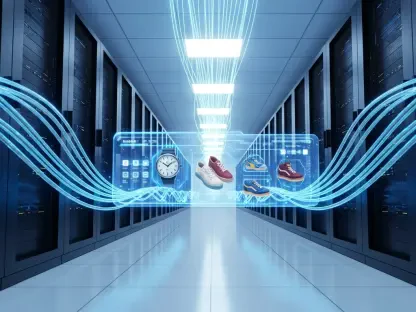
In response to these challenges, leading retailers are moving beyond simply bolting on new channels and are instead re-engineering their core architecture. This shift marks the rise of “decision orchestration,” a modern model that treats the omnichannel ecosystem not as a series of integrated channels but as a network of distributed decisions. This approach is powered by a central intelligence layer that ensures every decision—from inventory allocation to promotional pricing—is consistent, informed, and optimized in real time.
This modern architecture enables a fundamental shift from a reactive to a proactive operational state. By prioritizing the alignment of every customer interaction and internal process around real-time demand, customer intent, and actual fulfillment capacity, retailers can anticipate needs and optimize outcomes. The future potential lies in a system that can intelligently route orders, personalize offers, and manage inventory with a level of precision that legacy systems could never achieve.
The Three Pillars of a Modern Retail Ecosystem
The foundation of any successful decision orchestration model is the availability of real-time inventory signals. Accurate, up-to-the-minute data on stock levels across the entire network—including stores, warehouses, and in-transit goods—is non-negotiable. This ensures that every promise made to a customer, whether on a product page or through a marketing campaign, is backed by an immediate and verifiable ability to deliver.
Building upon this foundation are two other essential components: unified business logic and intelligent fulfillment. A single, centralized set of rules for pricing, promotions, and returns must apply consistently across all touchpoints, eliminating customer confusion and protecting profit margins. This logic must then be paired with a fulfillment system that can intelligently and dynamically match incoming orders with the most efficient and cost-effective fulfillment option based on real-time operational capacity.
Conclusion: From Reactive to Intelligent Retail
The analysis revealed that the predictable failure of traditional omnichannel strategies at scale was not an anomaly but a direct result of foundational weaknesses. The root causes were identified in organizational silos and outdated technologies that could not support the demands of real-time commerce. In this context, the emergence of decision orchestration was not merely an alternative but a necessary evolution for survival and growth.
Ultimately, the shift toward an intelligent retail architecture was driven by a clear imperative. The investigation concluded that building a coherent and reliable customer experience was no longer an optional investment but the definitive path to securing customer loyalty and driving sustainable growth in an increasingly competitive landscape. For retail leaders, re-engineering the enterprise around real-time data and unified decision-making became the critical mission.