
The Mexican retail landscape is undergoing a profound transformation as traditional supermarkets lose ground to agile, high-efficiency hard-discount models that prioritize localized accessibility and extreme value. This structural shift is most evident in the performance of market leaders who have successfully navigated the fragmented consumer base of the region. By focusing on essential goods and high-velocity inventory, these retailers are effectively capturing the spending of households that are increasingly wary of the premium pricing associated with larger, conventional grocery chains.
The Resilient Landscape of Mexico’s Hard-Discount Retail Sector
Modern commerce in Mexico is defined by a unique tension between massive international chains and the highly localized informal economy. Hard-discount models have bridged this gap by offering a standardized, professional environment that maintains the proximity and speed of traditional corner stores. This approach has allowed retailers to penetrate neighborhoods where large-format supermarkets struggle to find space or maintain the necessary volume for profitability.
The success of this sector relies heavily on a logistics network that minimizes the distance between distribution hubs and point-of-sale locations. By streamlining the supply chain, discount grocers reduce transportation costs and pass those savings directly to the customer. This efficiency creates a barrier to entry for smaller independent retailers who lack the purchasing power to compete on price, while simultaneously outmaneuvering large convenience chains that often carry higher markups on basic goods.
Regional economic shifts have also played a role in stabilizing demand for essential products. While luxury spending and discretionary electronics have faced volatility, the consumption of basic pantry staples remains constant. Households have redirected their budgets toward retailers that provide the highest density of caloric and nutritional value per peso, cementing the hard-discount format as a cornerstone of the national economy.
Strategic Growth Drivers and Quantitative Performance Metrics
Shifting Consumer Behaviors and the Demand for Value-Driven Essentials
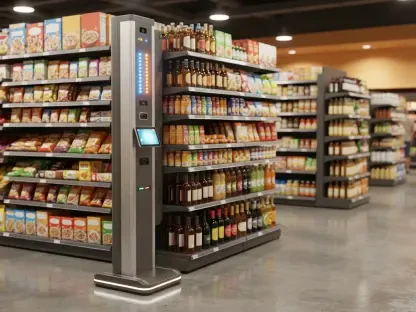
Persistent inflationary pressures have fundamentally altered the Mexican shopping basket, pushing families away from expensive global brands and toward private-label alternatives. This shift is not merely a temporary reaction to economic cooling but a long-term change in loyalty, as consumers discover that lower-cost options often provide comparable quality. Hard-discounters have capitalized on this by curating a limited selection of high-demand items that maximize shelf space efficiency.
The value proposition has become the primary driver of brand retention in a market where loyalty is increasingly fragile. As specialized pharmacies and electronics outlets see a dip in foot traffic, comprehensive discount grocers are absorbing those visits by expanding their product assortments to include health and household items. This transition allows consumers to complete their shopping in a single trip, emphasizing convenience alongside cost-effectiveness.
Analyzing Financial Trajectories and Physical Footprint Projections
The financial data for the second quarter reveals a staggering 38.7% revenue surge, underscoring the rapid adoption of this retail format. Much of this growth is fueled by an aggressive expansion strategy that saw the integration of 593 net new stores over the past year. This physical growth ensures that the brand remains the first choice for residents in expanding urban areas and secondary cities alike.
Same-store sales growth reached 20% during this period, significantly outpacing the broader benchmarks provided by industry associations like ANTAD. Such performance indicates that even without new openings, existing locations are seeing deeper penetration into their local markets. The current infrastructure, supported by a 21-unit distribution center network, provides a scalable foundation for doubling the current store count within the next few years.
Navigating Operational Complexity and Bottom-Line Pressures
Rapid top-line growth often hides the inherent challenges of managing a massive retail network. Despite high revenue, the costs associated with administrative overhead and the rapid hiring of regional staff have placed pressure on net income. The paradox of increasing sales alongside reported net losses suggests that the organization is in a phase of heavy reinvestment, prioritizing market dominance over immediate profitability.
Stock-based compensation and non-recurring expenses related to share offerings have also influenced the fiscal results. These one-time costs are typical for entities transitioning through periods of significant public investment and executive restructuring. While these figures impact the short-term bottom line, they reflect a long-term commitment to attracting top talent and securing the capital necessary for sustained physical expansion.
Optimizing selling expenses and labor costs remains a critical hurdle as the network moves into new geographical territories with varying labor regulations. To maintain a lean operating structure, the business must standardize its training and operational protocols. High inventory turnover serves as a vital safeguard against waste and ensures that capital is not tied up in slow-moving products, which is essential for maintaining liquidity.
Adhering to the Regulatory Framework and Compliance Standards in Mexican Commerce
Operating as a publicly traded entity in Mexico requires strict adherence to evolving tax implications and financial reporting standards. Transparency regarding adjusted EBITDA and other non-GAAP performance measures is essential for maintaining investor confidence. These standards ensure that the market can differentiate between temporary non-cash charges and the underlying health of the retail operation.
Labor regulations and executive compensation standards play a pivotal role in shaping the administrative cost structure. Complying with local mandates regarding benefits and transportation safety for logistical staff is not only a legal requirement but a necessity for operational stability. High safety standards in the supply chain prevent costly delays and ensure that goods reach the shelves without interruption.
Logistical regulations regarding heavy transport also impact the efficiency of the distribution network. Adhering to these standards requires constant investment in modern, compliant vehicle fleets and advanced routing software. By meeting these regulatory benchmarks, the company avoids the penalties and legal bottlenecks that often hinder the growth of less organized competitors.
Anticipating the Next Phase of Market Penetration and Retail Innovation
The sustainability of the negative working capital model will be a primary engine for self-funded growth through the end of 2026. By receiving cash from customers before paying suppliers, the company maintains a level of liquidity that allows for continuous reinvestment without the need for high-interest debt. This financial flywheel is particularly effective in a high-growth environment where new stores begin generating cash almost immediately.
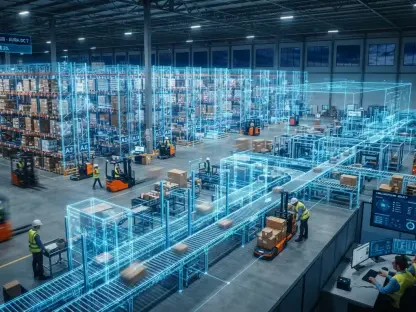
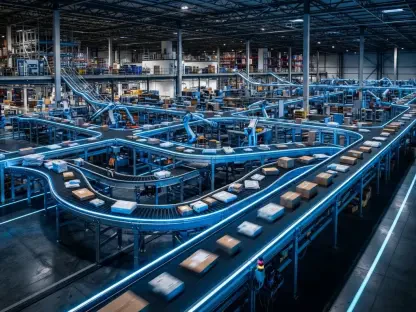
Technological integration in logistics offers the next frontier for driving down operating costs. Implementing automated sorting systems and real-time inventory tracking can further reduce the time essentials spend in warehouses. As transportation costs fluctuate, the ability to optimize delivery routes through artificial intelligence will become a major competitive advantage for high-volume discounters.
Regional diversification provides a necessary shield against localized economic downturns. By expanding into diverse states across Mexico, the business reduces its reliance on the economic health of any single metropolitan area. This geographic spread ensures that the overall portfolio remains resilient even if specific regions experience temporary shifts in consumer purchasing power or supply chain disruptions.
Synthesizing Growth Potential and Strategic Recommendations for Stakeholders
The performance during the second quarter demonstrated that the hard-discount model was the most resilient segment within the Mexican grocery market. Stakeholders observed that aggressive market share acquisition took precedence over immediate net profit margins, a strategy that solidified the company’s presence in underserved areas. The data suggested that the 20% same-store sales growth was a reliable indicator of long-term brand equity and customer loyalty.
Analysts recommended focusing on operating cash flow and adjusted EBITDA as the primary metrics for evaluating corporate health. These indicators provided a clearer view of the operational efficiency once non-recurring administrative expenses and stock-based compensation were removed from the equation. The report concluded that the negative working capital cycle successfully funded a massive expansion that would have otherwise required significant external financing. Future strategies for the remainder of 2026 leaned toward deepening logistics automation and exploring further private-label expansion to protect margins against potential inflation.