
The traditional retail playbook that once placed cost savings above all else has been fundamentally rewritten as British households prioritize reliable stock levels over the lowest price point. Today, the ability to find a specific product on a shelf determines where a consumer spends their money, marking a departure from the discount-driven loyalty of the past. As shoppers grapple with busy schedules and hybrid work routines, the convenience of a successful single-trip shop has become a more valuable currency than a few pence saved on a basket of goods.
Understanding the New Retail Hierarchy in the United Kingdom
This shift toward reliability marks the emergence of the availability effect, where the physical presence of goods dictates market share. While the UK grocery sector remains highly competitive, the battleground has moved from price wars to supply chain precision. Data now suggests that the modern shopper values their time and the certainty of fulfillment more than ever before, forcing a rethink of how inventory is managed across regional networks.
The rise of flexible working has further complicated this landscape by altering where and when demand spikes occur. Local hubs that were once quiet during the week now face intense pressure to maintain stock levels as consumers shop closer to home. Retailers are increasingly turning to sophisticated data analytics to synchronize their logistics with these evolving regional patterns, ensuring that the right products are in the right places at the right time.
The Drivers Behind the Shift in Consumer Priorities
Evolving Behaviors and the Erosion of Brand Loyalty
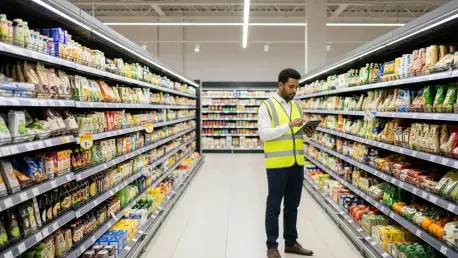
Brand loyalty is no longer a guaranteed asset for retailers, with nearly half of the population willing to switch stores the moment they encounter an empty shelf. This trend is particularly dominant among consumers under 45, who show little hesitation in abandoning a preferred supermarket for a competitor that can meet their immediate needs. The result is a fragmented shopping experience where over half of consumers now visit multiple locations to complete their weekly lists.
This displaced spend reflects a pragmatic approach to modern living where the frustration of a stock-out outweighs any historical affinity for a specific brand. When a shopper enters a store with a list of ten items and finds only eight, the resulting incomplete trip triggers a defection that is difficult to reverse. This behavior has created a new class of agile shoppers who prioritize efficiency and reliability as the ultimate benchmarks of a retailer’s value proposition.
Performance Benchmarks and Growth Projections
The financial consequences of these missed opportunities are staggering, with billions of pounds in potential revenue leaking out of the sector annually due to poor stock management. While large-scale supermarkets generally maintain high fulfillment rates, the smaller convenience formats continue to struggle with consistency. This gap is particularly concerning given the projected growth of the convenience sector, which currently absorbs a disproportionate share of the total revenue lost to stock-outs.
Forecasting models suggest that the long-term cost of customer churn will only intensify as competition for the convenience market grows. Retailers who fail to narrow the performance gap between their hypermarkets and local branches risk losing a significant portion of their market share to more technologically adept rivals. The ability to minimize these incomplete grocery trips is now directly linked to the long-term viability and profitability of any major retail operation.
Navigating the Logistics Gap and Operational Hurdles
Smaller retail formats face a unique paradox where high foot traffic meets limited storage capacity and restricted delivery windows. Unlike massive distribution centers, local stores must manage rapid inventory turnover with minimal backroom space, making them highly vulnerable to sudden surges in demand. This operational friction often results in the very stock-outs that drive customers toward larger, more distant competitors.
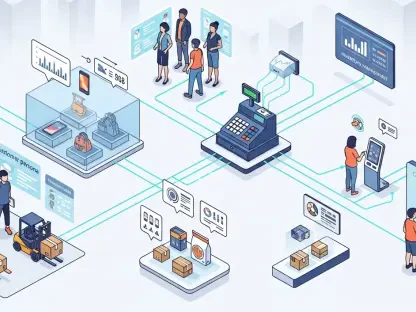
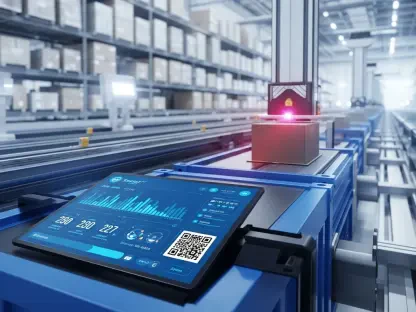
To bridge this gap, the industry is moving toward real-time predictive logistics that can anticipate needs before shelves go bare. By integrating supply chain data more deeply into daily operations, retailers can move away from reactive restocking toward a proactive model. This transition is essential for reducing the hundreds of millions of incomplete trips that currently undermine the efficiency of the British grocery network.
Compliance, Standards, and the Regulatory Landscape
Regulatory oversight regarding food security and supply chain transparency is playing an increasingly important role in how retailers manage their inventory. Maintaining high standards for shelf-life and waste management becomes significantly more challenging when stock levels fluctuate unpredictably. Retailers must navigate these requirements while ensuring that their push for higher availability does not lead to excessive food waste or a violation of environmental standards.
Furthermore, government policies on urban infrastructure and rural delivery networks influence the speed at which goods can move through the country. Adhering to consumer protection expectations also means that physical availability must match digital descriptions accurately. As transparency becomes a regulatory cornerstone, the pressure to maintain an honest and reliable inventory system continues to mount for every player in the market.
The Future of British Retail: Tech-Driven Reliability
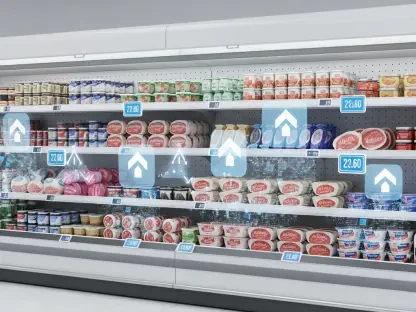
The next phase of retail evolution will be defined by the widespread adoption of AI-powered demand forecasting and automated replenishment. These systems are designed to bridge the visibility gap between supply chain hubs and the final shelf, ensuring that inventory moves with surgical precision. Technologies like smart shelves and integrated sensors will eventually provide consumers with real-time updates, making the uncertainty of a shopping trip a thing of the past.
As these innovations become standard, the definition of a premium brand will shift toward those who can guarantee a seamless fulfillment experience. The ultimate differentiator will be the “on-shelf” factor, where the physical presence of a product becomes the most powerful marketing tool available. This tech-driven reliability will likely separate the industry leaders from those who struggle to adapt to the new speed of commerce.
Strategic Imperatives for the Modern UK Retailer
Securing a competitive edge in the current environment required a total commitment to logistical infrastructure and data integration. The final assessment of the market suggested that retailers who prioritized the availability effect were best positioned to capture the billions in revenue previously lost to stock-outs. Investing in predictive analytics and agile supply chains proved to be the only viable way to prevent customer defection and maintain long-term trust.
Moving forward, the industry must focus on creating a frictionless shopping experience where inventory is as dynamic as consumer demand itself. Organizations that successfully synchronized their digital insights with physical shelf management found they could reclaim lost sales and strengthen their market position. The era of price-only competition ended, leaving behind a landscape where the most reliable retailers emerged as the dominant forces in British commerce.