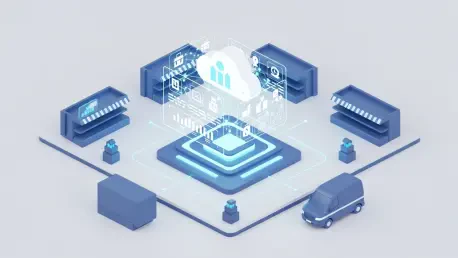

The rapid disappearance of traditional cash-only storefronts highlights a critical shift where data, rather than just inventory, has become the primary currency for small and medium-sized enterprises. Modern point-of-sale (POS) systems have transitioned from basic transaction processors into sophisticated digital hubs that manage every facet of a business. This evolution is particularly vital for legacy brands like Krauszer’s Food Stores, which must bridge the gap between a century of tradition and the demands of a digital-first economy.
Evolution and Fundamentals of Retail Management Systems
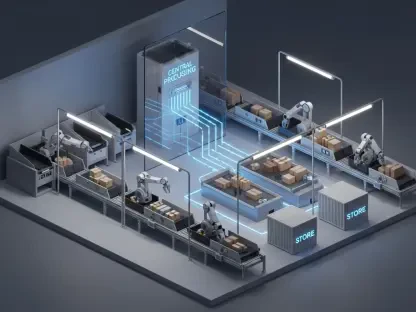
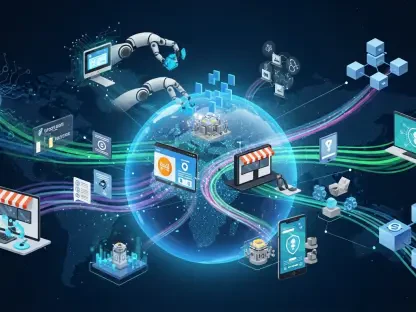
The transition from mechanical registers to integrated digital ecosystems marks a fundamental change in how retail operates. At its core, the modern system functions as a centralized brain, connecting hardware peripherals like scanners and payment terminals to cloud-based software. This architecture allows for the synchronization of data across multiple touchpoints, ensuring that a sale made in a physical aisle is immediately reflected in the broader digital ledger.
For heritage brands, this technology is not merely a convenience but a survival mechanism. By moving away from fragmented, paper-based processes, retailers can finally achieve the operational transparency required to compete with global e-commerce giants. This infrastructure provides a stable foundation for businesses to scale without losing the personal touch that defines their local identity.
Core Pillars of Modern POS Infrastructure
Integrated Inventory Management and Granular Analytics
Real-time stock tracking has moved beyond simple counting; it now involves predictive visibility. Systems like those provided by National Retail Solutions (NRS) utilize granular data to alert managers about stock depletion before it occurs. This prevents the loss of revenue due to empty shelves and reduces the capital tied up in slow-moving products.
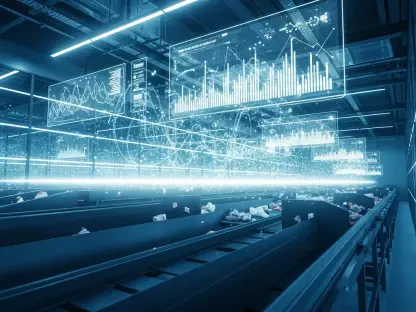
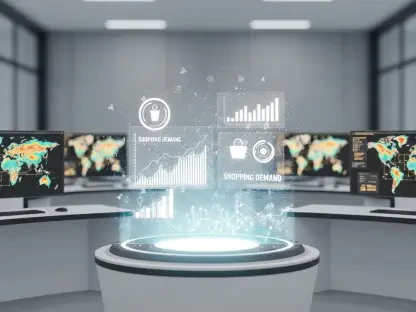
Furthermore, the analytical power of these platforms allows owners to identify specific consumer trends. By interpreting which items sell together or at what time of day traffic peaks, managers can optimize their layouts and promotional strategies. This level of insight was once reserved for major corporations, but modern POS tools have democratized high-level business intelligence.
Scalable Multi-Store Oversight and Franchise Synchronization
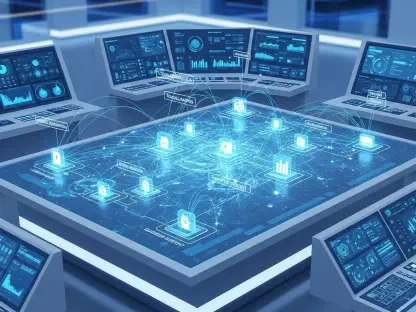
Managing a decentralized network of hundreds of independent owners requires a delicate balance of control and autonomy. Centralized management tools allow a parent company to push updates, standardize pricing, and maintain brand consistency across diverse geographical regions. This ensures that a customer receives the same experience whether they are in a rural outpost or an urban center.
Technical synchronization means that administrative tasks, such as tax reporting or payroll integration, are handled through a single interface. This reduces the margin for human error and ensures that every franchise remains compliant with corporate standards. Such scalability is what enables regional favorites to transition into national players without overextending their managerial resources.
Omni-channel Capabilities and Customer Loyalty Integration
Modern retail is no longer confined to the four walls of a store, as digital consumer behavior demands a presence on mobile apps and websites. Integrated e-commerce modules bridge this gap by allowing retailers to manage physical and online orders through a unified dashboard. This prevents inventory discrepancies and provides a smoother fulfillment process for the end user.
Loyalty programs integrated directly into the checkout flow further enhance this relationship. By rewarding repeat customers automatically, the technology fosters a sense of community and provides valuable data on long-term purchasing habits. This creates a feedback loop where the system learns what the customer wants, allowing the retailer to tailor offers more effectively.
Emergent Trends in Retail Digital Transformation
The shift toward cloud-based scalability is perhaps the most significant trend in the current landscape. By hosting data in the cloud, retailers can access their business metrics from anywhere, removing the need for expensive on-site servers. This flexibility is essential for agile decision-making, especially when market conditions change rapidly.
Moreover, there is a growing emphasis on intuitive user interfaces. As the workforce becomes more diverse, the technology must be accessible to users with varying levels of technical expertise. Simplified software design reduces training time and minimizes errors at the register, ensuring that the technology facilitates the human element of retail rather than complicating it.
Real-World Applications and Strategic Implementations
The partnership between Krauszer’s Food Stores and NRS serves as a prime example of strategic digital adoption. By standardizing over 300 locations under a single technological umbrella, the chain has created a cohesive operational framework. This implementation allows them to maintain their dairy-rooted heritage while utilizing the tools necessary for a nationwide push.
These real-world applications demonstrate that the technology is robust enough to handle high-volume environments while remaining flexible for independent operators. The ability to unify hundreds of unique storefronts under one system is a testament to the power of modern POS platforms. It proves that digital transformation is a practical necessity for any brand looking to expand its footprint.
Technical Hurdles and Adoption Barriers
Despite the benefits, migrating legacy systems remains a significant technical hurdle. Older hardware often lacks the processing power required for modern cloud applications, necessitating a complete and often costly infrastructure overhaul. Additionally, training a decentralized workforce on new software can lead to initial productivity dips and resistance from staff accustomed to traditional methods.
Cybersecurity is another critical concern, as expansive networks provide more entry points for potential data breaches. Protecting sensitive customer payment information requires constant software updates and robust encryption protocols. While developers are working toward more simplified, “plug-and-play” hardware, the initial setup and security maintenance remain complex tasks for smaller independent owners.
The Future Trajectory of Retail Technology
The industry is moving toward the deep integration of artificial intelligence to handle predictive ordering and back-office automation. Future systems will likely automate the replenishment process entirely by analyzing weather patterns, local events, and historical sales data to determine exactly what needs to be ordered. This will allow store owners to focus on customer service rather than manual logistics.
Long-term impact will be seen in the total unification of the supply chain, where the POS system communicates directly with manufacturers. Breakthroughs in edge computing could also lead to faster processing times and even more reliable offline modes, ensuring that business never stops during internet outages. These advancements will solidify the POS as the indispensable anchor of the retail world.
Summary and Final Assessment
The evolution of retail technology has effectively turned the point of sale into an engine for growth rather than a mere end-of-transaction tool. The transition to integrated platforms like those used by Krauszer’s demonstrated how legacy brands could modernize without losing their core identity. This shift provided the necessary visibility and control to manage complex franchise networks while meeting the high expectations of modern consumers.
Moving forward, businesses should prioritize the adoption of AI-driven analytics to stay ahead of shifting market demands. Investing in robust cybersecurity measures and ensuring staff are well-trained on new interfaces will be the deciding factors in long-term success. The technology proved itself as a catalyst for expansion, transforming regional operations into competitive, data-driven national entities.