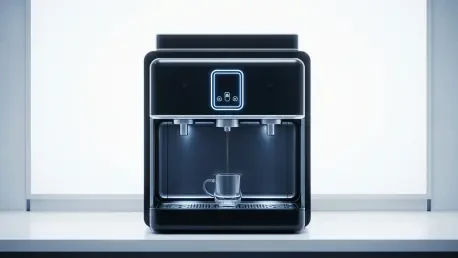

The convenience store and grocery sectors are currently navigating a perfect storm of rising labor costs, shrinking floor space, and a dramatic shift in consumer health preferences. To explore how technology is solving these operational headaches, we spoke with Zainab Hussain, an e-commerce strategist and retail operations expert who specializes in streamlining customer engagement. With her deep background in managing high-traffic retail environments, Zainab provides a detailed look at how automation is transforming the traditional beverage wall from a messy labor sink into a high-margin, self-sustaining profit center.
Traditional batch brewing often leads to stale flavor or high waste when old product is discarded to avoid bitterness. How do these degradation cycles impact customer loyalty in the convenience store space, and what specific steps ensure that a high-traffic beverage wall maintains quality during peak hours?
In the fast-paced convenience world, a customer’s loyalty is often only as strong as their last sip, and serving bitter, oxidized tea is a quick way to lose a repeat visitor. When tea sits in a traditional urn, it begins to degrade almost immediately, forcing managers to make the painful choice between pouring profits down the drain or serving a subpar product. By moving to a system that brews fresh for each cup, we eliminate that “stale” window entirely, ensuring the first customer of the morning and the last one of the evening get the exact same premium experience. During peak hours, this automation removes the frantic need for staff to monitor levels or panic-brew new batches, allowing the beverage wall to function as a reliable, high-quality destination without human intervention.
Retailers face rising wage pressures and the difficulty of finding staff for manual tasks like scrubbing tea urns. In what ways does automating the brewing and self-cleaning process change a store’s daily labor allocation, and what measurable efficiency gains should a grocery operator expect?
The beauty of a self-cleaning platform like SimpliciTea is that it tackles the “invisible labor” that eats away at a store’s bottom line, such as the messy, time-consuming task of scrubbing out legacy urns and managing batch schedules. When you automate the portioning and cleaning, you are essentially handing back hours of productivity to your team, allowing them to focus on high-touch areas like foodservice prep or direct customer assistance. For a grocery operator, this means a significant reduction in waste from over-brewing and “throw-offs,” creating a low-touch profit driver that doesn’t require constant babysitting. It transforms the beverage station from a chore-heavy cost center into a streamlined asset that runs itself even when the store is understaffed.
Beverage islands are often crowded, requiring a difficult balance between flavor variety and square footage. How should a manager decide between a compact 15-inch unit and a larger 4-foot multi-flavor system, and what are the trade-offs regarding throughput versus menu diversity in smaller floor plans?
Deciding on equipment size is really a question of understanding your specific store’s foot traffic patterns and available “real estate” on the beverage island. For smaller front-end placements or stores where space is at a premium, a compact 15-inch unit—like the award-winning 1500 model—is a game-changer because it provides a fresh-brewed experience in a footprint that previously couldn’t support it. However, if you are managing a large-format store with a dedicated beverage island, the 4-foot multi-flavor system allows you to offer up to six different teas, maximizing your menu diversity and catering to a wider range of tastes. The trade-off is simple: the smaller unit wins on space efficiency for high-frequency basics, while the larger system turns the tea station into a primary destination for flavor-seeking shoppers.
Many shoppers are moving away from sugary carbonated drinks toward unsweetened or lightly flavored tea options. How can operators use customizable, fresh-brewed recipes to capture this health-conscious demographic, and what strategies help turn a standard tea station into a high-margin destination for flavored refreshers?
We are seeing a massive shift where consumers, especially younger ones, view “fresh-brewed” as a shorthand for “healthy,” making this the perfect time to pivot away from traditional soda fountains. By using programmable platforms to offer unsweetened, lightly sweetened, and botanical-infused teas, retailers can capture the wellness-focused demographic that usually walks right past the carbonated dispensers. To drive those higher margins, operators can market these as “refresher-style” beverages, using the same base tea but offering customizable flavor profiles that feel more like a premium café experience than a standard convenience store grab. This strategy increases the average ticket price because customers are willing to pay more for a beverage that feels artisanal, fresh, and tailored to their specific dietary goals.
Maintaining food safety standards and flavor consistency across multiple locations is a significant challenge for large chains. How do programmable recipe platforms reduce human error at the point of service, and what role does automated cleaning play in mitigating the risks associated with legacy dispenser systems?
Consistency is the hallmark of a great brand, but relying on hundreds of different employees to follow exact brewing times and cleaning schedules is a recipe for variation and risk. Programmable platforms take the guesswork out of the equation by ensuring that a recipe in one city tastes exactly like the same drink three states away, regardless of who is behind the counter. From a safety perspective, the automated cleaning cycles are vital because they eliminate the risks associated with old-fashioned urns where bacteria can hide in hard-to-reach valves or poorly scrubbed surfaces. By removing the manual cleaning element, you aren’t just saving time; you are creating a closed, hygienic system that supports rigorous food safety expectations even during the busiest rushes.
What is your forecast for the future of automated fresh-brewed beverages in the retail sector?
I believe we are entering an era where “automated freshness” will become the standard requirement rather than a luxury, as the industry moves away from batch processing entirely. As labor markets remain tight and consumers demand higher transparency in what they drink, we will see more retailers replacing traditional fountains with compact, intelligent systems that can switch between tea, coffee, and flavored refreshers at the touch of a button. My forecast is that within the next few years, the most successful C-stores and grocery chains will be those that have fully digitized their beverage walls, using data to rotate seasonal flavors instantly while maintaining a zero-waste, low-labor footprint. The days of the lukewarm, stagnant tea urn are numbered; the future belongs to precision brewing that respects both the customer’s palate and the operator’s bottom line.