
The days of standing in long lines while a solitary cashier manually scans a mountain of groceries are rapidly becoming a relic of a bygone era in the American shopping experience. This evolution represents a fundamental paradigm shift where the fusion of digital intelligence and physical logistics is no longer a luxury but a standard operational requirement. Retailers are moving away from the manual processes that once defined the industry, toward a sophisticated state where efficiency is dictated by algorithms. Major technology providers such as Toshiba, Diebold Nixdorf, and Honeywell have emerged as the primary architects of this new reality, providing the infrastructure necessary to support a high-volume and low-friction marketplace.
Within the United States, the integration of smart point-of-sale systems and connected store technologies has been accelerated by persistent labor market fluctuations. Businesses have found themselves in a position where automation must fill the gaps left by a shrinking workforce and rising wage demands. This transition is not merely about cost-cutting; it is about maintaining a consistent level of service in an environment where human availability is increasingly unpredictable. By deploying AI-driven analytics and IoT sensors, stores can now manage foot traffic and shelf inventory with a level of precision that was previously considered impossible for even the largest big-box retailers.
Navigating the High-Tech Transformation of the American Retail Landscape
The American retail landscape is currently defined by a comprehensive shift toward a tech-driven ecosystem that prioritizes speed and accuracy. This transformation is visible in the widespread adoption of smart point-of-sale terminals that do more than just process transactions; they act as the central nervous system for store operations. Companies like Toshiba have introduced advanced kiosks that utilize biometric identification, allowing customers to pay with a palm scan or facial recognition. Such innovations are bridging the gap between the tactile nature of physical shopping and the streamlined convenience of digital platforms, creating a hybrid environment that caters to modern consumer expectations.
Moreover, the role of connected store technologies has expanded to include everything from electronic shelf labels to intelligent surveillance systems. These tools allow retailers to implement dynamic pricing and real-time stock updates, ensuring that the information on the shelf always matches the data in the cloud. However, the successful implementation of these systems depends on a robust digital infrastructure. Providers like Fujitsu and Panasonic are instrumental in this regard, offering the edge computing and IoT platforms needed to process vast amounts of data locally. This connectivity ensures that store managers can make informed decisions on the fly, responding to localized trends as they happen.
Examining the Catalysts and Financial Trajectory of Retail Automation
Identifying the Predominant Trends and Consumer Drivers Shaping the Industry
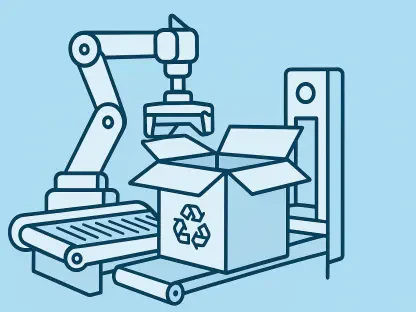
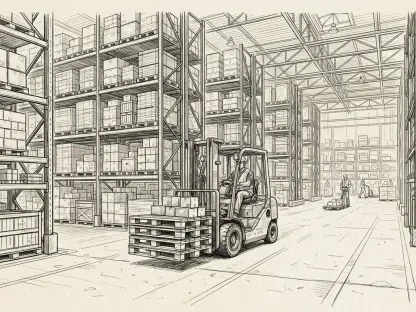
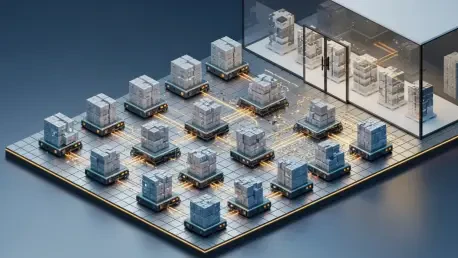
The shift toward touchless shopping and frictionless transactions has fundamentally altered the consumer journey in recent years. Modern shoppers expect to enter a store, find what they need, and exit without the traditional bottlenecks of the checkout lane. This demand has sparked a massive investment in warehouse robotics and automated fulfillment centers, ensuring that products are ready for both in-store purchase and rapid home delivery. The rise of autonomous mobile robots has revolutionized the backend of retail, allowing for faster sorting and picking processes that keep pace with the hyper-accelerated demands of modern e-commerce.
Computer vision and biometric technologies are at the forefront of this consumer-facing revolution, providing a more intuitive way to shop. By utilizing sophisticated camera arrays, retailers can create a personalized experience that identifies customer preferences the moment they step through the doors. This level of synchronization is essential for maintaining an omnichannel presence, where the digital and physical realms are perfectly unified. A customer might browse a product on a mobile app and expect the physical store to recognize their intent, providing a curated experience that blends online convenience with the immediate gratification of a physical storefront.
Evaluating Quantitative Growth and Long-Term Market Forecasts
Quantitative growth in the retail automation sector remains staggering, with market valuations pointing toward a multi-billion dollar future by 2035. Currently, the global market is on a trajectory to reach approximately 74.56 billion dollars, driven by a consistent compound annual growth rate of nearly 9.77 percent. In the United States, the market is expanding from a 7.19 billion dollar base toward an estimated 18.32 billion dollars over the next decade. This financial surge is underpinned by the economic necessity of precision, as rising labor costs and the need for zero-error inventory management force even small-scale retailers to adopt automated solutions.
While in-store implementations currently command the majority of market revenue, the warehouse automation segment is growing at an even faster pace. This reflects the industry focus on the logistical backbone of commerce, as retailers realize that an automated storefront is only as effective as the supply chain behind it. Consequently, significant investments are flowing into technologies that provide real-time visibility into stock levels, reducing the risk of overstocks or missed sales opportunities. The drive for operational precision has made automation a central pillar of financial planning for every major retail entity in the country.
Strategies for Surmounting Implementation Challenges and Operational Friction
Despite the clear benefits, integrating modern AI and IoT platforms with disparate legacy systems remains one of the most significant challenges for the industry. Many retailers are tethered to aging infrastructure that was never designed to handle the high-speed data flow required for real-time automation. This friction often results in fragmented operations where different departments use incompatible software, leading to inefficient data silos. Overcoming this hurdle requires a strategic overhaul of IT architectures, moving toward cloud-based environments that allow for easier interoperability between different technology providers.
Another critical challenge involves the management of inventory loss, often referred to as shrinkage, in autonomous or semi-autonomous environments. While self-checkout and just walk out technologies offer unparalleled convenience, they also open new avenues for theft or unintentional scanning errors. Retailers are now forced to balance high-tech efficiency with robust security protocols, employing AI-driven surveillance to monitor transactions without appearing intrusive to the average shopper. Achieving this balance is vital for maintaining profitability while still providing the frictionless experience that modern consumers have come to demand.
Understanding the Regulatory Framework and Security Standards for New Technologies
As these technologies become more prevalent, the regulatory framework surrounding data privacy and consumer tracking is evolving at a rapid pace. The use of biometric identification and pervasive camera systems has raised significant concerns regarding how personal data is collected, stored, and utilized. Retailers must navigate a complex web of state and federal laws that govern digital privacy, ensuring that their technological advancements do not cross ethical or legal boundaries. Transparency with consumers about data usage has become a key factor in maintaining brand trust and avoiding costly litigation.
Security protocols for cloud-based payment systems and connected IoT devices are also under intense scrutiny by regulators and industry bodies. The interconnected nature of these devices creates potential vulnerabilities for cyberattacks, making robust encryption and secure data transmission non-negotiable. Industry standards play a crucial role in ensuring that various technologies can work together across different platforms and international borders. Organizations are working to establish common frameworks for data exchange, allowing a smart shelf from one manufacturer to communicate perfectly with a point-of-sale system from another, thereby creating a truly globalized retail infrastructure.
Visualizing the Future of Autonomous Commerce and Generative AI
Looking toward the near future, emerging concepts like digital twins and generative AI are set to redefine predictive modeling for both inventory and staffing. By creating a virtual replica of a physical store, retailers can run countless simulations to determine the most efficient layout or the optimal number of staff needed for a holiday rush. Generative AI can also analyze localized trend data to predict exactly what products will be in high demand based on social media activity or weather patterns. This level of foresight transforms retail from a reactive industry into a proactive one that anticipates customer needs before they are even expressed.
The potential for cashier-less technology to become the industry standard is no longer a matter of if, but when. As the costs associated with sensor fusion and computer vision continue to drop, even smaller retail chains will likely adopt these systems to remain competitive in a crowded market. This shift will redefine consumer interactions, moving the focus away from the transaction itself and toward value-added services and hyper-personalization. Retailers will increasingly rely on data-driven insights to provide localized trend analysis, ensuring that each store location is uniquely tailored to the needs of its specific community and demographic.
Final Perspectives on Achieving Operational Resilience in a Data-Driven Market
The strategic necessity of automation for modern retailers was ultimately confirmed by its role in stabilizing the market during recent economic shifts. The investigation into these technologies revealed that businesses which embraced a cohesive and tech-enabled ecosystem were better positioned to handle labor shortages and supply chain disruptions. It was concluded that the transition toward a data-driven model served as the primary driver of operational resilience in an increasingly volatile environment. These findings suggested that the foundation for long-term growth was successfully laid during this period of high-tech transition.
Recommendations for businesses involved moving away from isolated technology pilot programs toward a more comprehensive digital transformation strategy. The outlook showed that automation served as a fundamental pillar for economic stability, providing a clear path forward for retailers aiming to thrive in the years to come. It was observed that those who prioritized interoperability and consumer privacy gained a significant competitive advantage over those who hesitated. Final assessments indicated that the evolution of retail was not merely about replacing human tasks but about enhancing the overall value proposition through technological precision and strategic foresight.