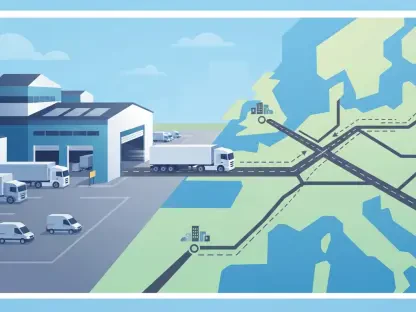

The implementation of digital duty stamps allows HMRC to monitor the movement of goods in real-time, creating a digital breadcrumb trail from the factory to the consumer. This fundamental shift marks the end of the relatively unregulated era for the British e-cigarette market, replacing it with a rigid fiscal structure that mirrors the long-standing taxation of alcohol and tobacco products. HM Revenue & Customs has established this framework not just as a means to fill the Treasury’s coffers, but as a sophisticated tool for market oversight. By applying a flat rate of £2.20 for every 10 milliliters of e-liquid, the government is effectively doubling the cost of entry-level products, a move that targets the economic accessibility of vaping for minors while maintaining a revenue-positive environment. This nicotine-blind approach is particularly noteworthy because it ignores the chemical potency of the liquid, focusing instead on the volume of the consumable product. Whether a consumer chooses a high-strength nicotine salt or a nicotine-free short-fill, the duty remains identical, ensuring that no segment of the liquid market escapes the regulatory net. The projected outcome is a significant injection of funds into the national budget, with estimates suggesting that by 2030, the annual revenue from this duty will exceed £550 million. This capital is already being earmarked for the very enforcement mechanisms needed to police the new rules, creating a self-sustaining cycle of regulation and revenue that aims to redefine the relationship between the state and the nicotine industry.
Technical Implementation and Transition Milestones
Phase One: The Implementation of Physical Duty Stamps
The rollout of the Vaping Duty Stamps Scheme began on October 1, 2026, marking the start of a three-month transitional period intended to stabilize the market during this unprecedented change. During this first phase, which runs until the end of December 2026, manufacturers and importers are required to apply physical, tamper-evident stamps to their products. These markers, which appear as distinct yellow or red rectangular labels, serve as a visible indicator that the appropriate duty has been accounted for and that the product is entering the legitimate UK supply chain. Although these early stamps lack the high-tech digital features of the subsequent phases, they provide a vital first line of defense for retailers and enforcement officers. By providing a clear visual cue of compliance, these stamps help to immediately differentiate between products that have fulfilled their tax obligations and those that may have entered the country through unofficial channels. This period is less about technical perfection and more about establishing a psychological shift among business owners, signaling that the era of tax-free e-liquid sales has permanently concluded.
The operational impact of this initial phase cannot be overstated, as it necessitates a complete overhaul of the packaging process for thousands of product lines. Manufacturers have had to integrate labeling machinery into their existing production belts, often at significant capital expense, to ensure that the physical stamps are applied securely and without interfering with mandatory health warnings. For warehousekeepers and distributors, this transitional period has also served as a critical window for clearing existing stock that was manufactured or imported before the October deadline. Managing this legacy stock requires meticulous record-keeping to prove the date of production, as any unstamped item found on a shelf without proper documentation could be subject to seizure. HMRC has provided detailed guidance during these months to help small and medium-sized enterprises navigate the complexities of duty suspension and the application process for approved person status. The focus is on ensuring that the legitimate market is not disrupted by the sudden administrative burden, while simultaneously making it increasingly difficult for fly-by-night operations to thrive.
Phase Two and Three: Transitioning to Digital Systems
Starting January 1, 2027, the system is set to upgrade to a digital duty stamp for all newly manufactured or imported products. These digital markers are far more than just stickers; they incorporate encrypted data that enables full track and trace capabilities across the entire supply chain. Every movement of a stamped product—from the moment it leaves a bonded warehouse to its arrival at a retail outlet—must be reported through a centralized digital portal. This level of transparency is designed to eliminate the gaps where illicit goods typically enter the market. For businesses, this means adopting new software solutions that can communicate directly with HMRC’s servers, ensuring that every individual unit is accounted for in real-time. This technological leap forward represents a significant investment in digital infrastructure, but it is viewed as a necessary step to future-proof the industry against smuggling and tax evasion. The data collected through this system will also provide the government with granular insights into consumption patterns, helping to refine future public health strategies.
The final stage of this transition will culminate on April 1, 2027, with a hard deadline that effectively bans the sale of any unstamped vaping product within the United Kingdom. This date marks the end of the six-month grace period for legacy stock, meaning that retailers must have sold through or safely disposed of any products imported or made before the October 2026 start date. After this point, any business found with unstamped e-liquid on their shelves will face severe penalties, including heavy fines and the potential loss of their trading licenses. This deadline is designed to provide a clean break from the old regulatory regime, ensuring that the entire market is operating under the same set of rules. For consumers, this change will be most visible at the point of sale, where they can expect to see only products that carry the official digital stamp. This provides an added layer of consumer protection, as the presence of a valid stamp serves as a guarantee that the product has undergone the necessary safety checks and that the retailer is operating within the law, thereby fostering a more trustworthy and professional retail environment.
Global Logistics and Public Health Integration
International Trade: The Shenzhen Production Challenge
The new regulations have sent ripples through the global manufacturing community, particularly in the Chinese city of Shenzhen, which remains the primary source of vaping hardware and liquids for the UK. In the first eight months of 2026 alone, total shipments from China reached a staggering $903 million, illustrating the scale of the trade relationship that must now adapt to these new rules. Chinese exporters are facing a complex compliance hurdle, as they must now integrate UK-specific stamping and reporting requirements into their high-speed production lines. This is not merely a matter of changing a label; it requires a sophisticated compliance-by-design approach where the digital duty stamps are tracked from the moment of application in the factory. Export service providers and brand owners are finding that they must invest in localized logistics and inventory management systems to satisfy HMRC’s digital traceability standards. Failure to meet these requirements is not an option, as non-compliant goods will be identified by the digital system and seized at the border, potentially leading to massive financial losses for manufacturers who fail to keep pace with the changes.
To maintain their competitive edge, many international manufacturers are looking at ways to streamline the stamping process, such as using automated application systems and integrated digital reporting tools. The demand for these services has created a new niche market for compliance consultants who specialize in navigating the intricacies of the UK’s excise and customs environment. Beyond the technical challenges, there is also the issue of cost, as the £2.20 duty significantly alters the price point of Chinese-made liquids in the UK market. This has led some manufacturers to reconsider their product portfolios, focusing more on premium liquids where the tax represents a smaller percentage of the total retail price. Meanwhile, smaller exporters who lack the resources to implement these complex digital systems may find themselves squeezed out of the UK market entirely. This consolidation is expected to lead to a more professionalized and transparent global supply chain, where only those companies capable of meeting the highest standards of accountability and traceability are able to survive and flourish in the long term.
Regulatory Oversight: Policing Trade and Personal Imports
The success of the new duty depends heavily on robust enforcement, and the government has signaled its commitment by allocating £30 million in annual funding through the 2028-29 fiscal year. This capital is being used to bolster the presence of Trading Standards and Border Force officers, who are tasked with monitoring the digital fence that has been erected around the UK market. The digital duty stamp is the primary tool in this enforcement arsenal; by using handheld scanners, officers can quickly verify the legitimacy of any product found in a retail environment. If a stamp cannot be authenticated, the product is immediately flagged as illicit, allowing for rapid intervention and the removal of dangerous or untaxed goods from the street. This high-tech approach allows for more targeted enforcement, focusing resources on the specific areas and operators that are bypassing the system. The goal is to create a hostile environment for the black market, ensuring that the heavy investment made by legitimate businesses in compliance is not undermined by those who refuse to follow the rules.
These strict regulations also extend to individual travelers, with new personal import rules designed to prevent small-scale duty evasion. As of October 1, 2026, anyone entering Great Britain is limited to a personal allowance of 50ml of vaping liquid, a threshold that is strictly enforced to stop the practice of suitcase smuggling. If a traveler is found with more than this amount, they must declare it and pay the full duty on the entire quantity, not just the excess. For those arriving from EU countries, there is a slightly higher allowance of 200ml for personal use before additional checks are triggered, but the underlying principle remains the same. These measures are essential for protecting the integrity of the domestic tax system and ensuring that all nicotine products consumed in the country contribute to the national budget. By closing these loopholes, the government is sending a clear message that the vaping market is now a fully regulated sector where every drop of liquid is subject to the same level of scrutiny as any other controlled commodity, regardless of how it enters the country.
The implementation of the Vaping Products Duty and the digital stamp regime marked a definitive turning point for the industry in 2026. The shift from a loosely monitored market to a strictly controlled, digitally traceable supply chain required significant adjustments from manufacturers, retailers, and enforcement agencies alike. Businesses that thrived were those that proactively audited their supply chains and invested in the necessary digital infrastructure to comply with the new HMRC standards. Moving forward, stakeholders should prioritize the vetting of international suppliers to ensure they are equipped with the technical capacity for digital marking and real-time reporting. It was also discovered that clear communication with consumers regarding the reasons for price increases helped to maintain brand loyalty during the transition. As the April 2027 hard deadline approached, the industry found that rigorous record-keeping and early stock clearance were the most effective ways to avoid the heavy penalties associated with non-compliance. These steps helped to ensure that the UK market remained both economically viable and socially responsible, setting a global precedent for the regulation of modern nicotine products.