
Navigating the New Era of Global Snacking
The global snacking landscape is currently witnessing a tectonic shift as consumer habits move away from traditional bulk purchasing toward highly specific, functional, and immediate consumption patterns. Mondelez International is responding with a multiyear strategic transformation designed to redefine how products are manufactured and distributed across the globe. This initiative seeks to move beyond reactive market adjustments by proactively building a supply chain capable of handling extreme economic volatility. By prioritizing localized production and an agile distribution model, the company intends to solidify its dominance in the North American market while addressing the fragmented needs of modern shoppers.
The Foundation of Change: Responding to Macroeconomic Pressure
Recent economic shifts forced a departure from the reliance on globalized supply chains and stable inflation. Consumers became increasingly price-sensitive, with data indicating that nearly half of the snacking population reduced non-essential purchases. This “new normal” is characterized by stagnant grocery basket sizes and a migration of shoppers toward club stores and discount channels. Understanding these pressures is vital for recognizing why the move from a “one-size-fits-all” model to a nuanced, localized supply chain became necessary for long-term survival in the consumer packaged goods sector.
Optimizing the Supply Chain for Agility and Localization
Localizing Production to Accelerate Market Responsiveness
A primary pillar of this strategy involves establishing localized production hubs that sit closer to the end consumer. Shifting manufacturing to regional centers drastically reduces lead times and allows for a faster response to emerging trends. While this transition requires significant capital expenditure and a revaluation of procurement networks, it effectively mitigates risks associated with international logistics. A localized footprint ensures that regional demand spikes are met without the delays inherent in traditional long-haul shipping.
Strengthening Presence Through Direct Store Delivery
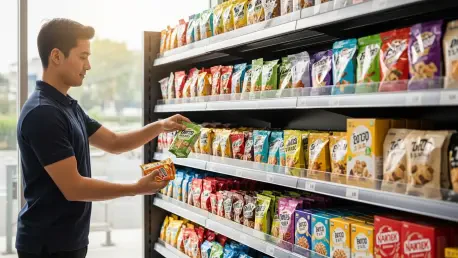
The use of a Direct Store Delivery (DSD) system serves as a competitive advantage by maintaining a constant presence on retail shelves. This model is essential for high-velocity brands like Oreo and Ritz, ensuring they remain visible in high-traffic areas. As “on-the-go” snacking now accounts for a quarter of the market, the DSD network allows the company to execute a precise price pack architecture. Stocking smaller, affordable packs under $3 alongside bulk items ensures the brand captures value across convenience stores and massive warehouse clubs alike.
Balancing Premium Indulgence with Health-Conscious Innovation
The snacking market is currently splitting into two distinct paths: premium indulgence and wellness-focused functionality. To address the affluent demographic, there is a continued investment in high-end lines like Tate’s Bake Shop. Meanwhile, the “better-for-you” segment is being captured through an expanded protein bar portfolio, including Clif and Perfect Bar. This dual-track strategy demonstrates that brand loyalty can be maintained by offering zero-sugar or high-protein alternatives without sacrificing the indulgent taste profile that consumers have come to expect.
Anticipating the Future of Snacking Consumption
The future of the industry points toward deeper technological integration and a focus on functional eating where snacks serve specific health purposes. Data-driven supply chains will likely enable even more hyper-localized assortments tailored to specific neighborhood demographics. Expansion into mobile breakfast solutions, such as belVita and 7Days, reflects a commitment to serving a workforce that is increasingly mobile. Early investments in sustainable packaging and wellness segments will likely provide a significant edge as regulatory and social pressures regarding health continue to mount.
Strategic Takeaways for a Diversified Market
Several actionable insights emerge from this massive operational pivot that apply across the retail industry. First, the success of price-point diversity proves that catering to both budget-conscious and premium shoppers is a necessity during periods of fiscal uncertainty. Second, the shift toward localization highlights that agility often outweighs the benefits of traditional global scaling in a volatile environment. Finally, maintaining control over brand visibility through direct distribution channels remains a superior method for securing market share in a crowded retail landscape.
Sustaining Growth in a Consumer-Centric Landscape
The strategic overhaul at Mondelez International successfully addressed the challenges of a shifting economic climate through supply chain localization and portfolio diversification. The integration of a nuanced pricing strategy and a focus on wellness allowed the company to become a more resilient platform. This transformation highlighted the reality that success required a constant evolution of both the backend operations and the consumer-facing products. By moving toward its 2027 objectives, the organization demonstrated how agility and consumer-centricity defined market leadership.