
The Dawn of a Hyper-Connected Retail Ecosystem
Modern-day retail storefronts are no longer just physical points of transaction but have evolved into sophisticated data hubs that bridge the gap between digital convenience and physical sensory experiences. As the lines between physical storefronts and digital marketplaces blur, advanced connectivity has emerged as the invisible engine driving this transformation. This evolution is not merely a trend; it is a fundamental shift in how businesses operate and how consumers interact with brands. Recent market data suggests a staggering growth trajectory, with the global valuation of connectivity in retail expected to surge from approximately $97 billion in 2025 to over $502 billion by 2035.
This analysis explores how high-speed networks, sophisticated software, and localized connectivity solutions are reshaping the industry. It examines the transition from hardware-centric systems to software-driven ecosystems and analyzes how these technologies enable a more responsive, data-driven retail environment. Robust connectivity is no longer a luxury but a critical requirement for survival in a competitive global market.
From Brick-and-Mortar to Digital Integration: A Brief History
The journey to the current technological landscape began with the simple introduction of internet-enabled point-of-sale systems and early-stage e-commerce. Historically, retail connectivity was limited to basic Wi-Fi for staff and rudimentary inventory management systems that often operated in silos. These older models were reactive; data was collected and reviewed after the fact, leading to inefficiencies in stock management and a disjointed experience for customers who switched between online browsing and in-store shopping.
The shift toward the modern era was accelerated by the rise of the smartphone and the “always-on” consumer. Retailers soon realized that legacy infrastructure could not support the high-bandwidth requirements of real-time data or the seamless “omnichannel” experience customers now demand. This historical context is vital because it highlights a recurring theme in commerce: technology must evolve to meet consumer expectations. Understanding these past shifts helps clarify why today’s focus has moved from simple internet access to complex, integrated ecosystems that link every aspect of the supply chain to the final customer interaction.
The Technological Pillars of Modern Commerce
Empowering Smart Stores through 5G and IoT Integration
The integration of 5G and the Internet of Things (IoT) represents a critical leap forward for physical retail locations. High-speed, low-latency 5G networks provide the bandwidth necessary to support “smart store” operations, where thousands of sensors track inventory levels in real time. This eliminates the common frustration of “out-of-stock” items and allows for a level of personalized customer engagement previously seen only in online environments. For example, a customer’s mobile app can now interact with in-store beacons to provide tailored discounts as they walk down a specific aisle.
The Rise of Software-Defined Connectivity and Cloud Unity
While physical hardware remains essential, the industry is witnessing a significant pivot toward software-driven connectivity platforms. These platforms act as a unifying layer, pulling data from various IoT devices, cloud services, and logistics trackers into a single actionable dashboard. This shift allows retail chains to manage their entire network remotely and adjust to market changes with agility. Software-defined systems are particularly beneficial for achieving an omnichannel strategy, ensuring that a price update on a website is instantly reflected on digital shelf labels in a physical store.
Diversifying Networks: The Strategic Role of LPWAN and Regional Hubs
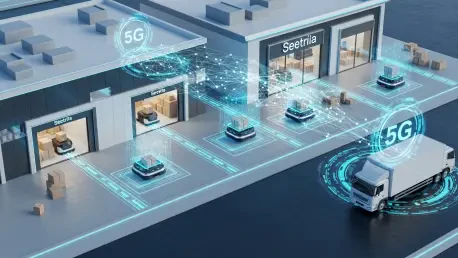
Beyond the high speeds of 5G, specialized technologies like Low Power Wide Area Networks (LPWAN) are becoming indispensable for logistics and warehouse management. LPWAN is designed for long-range communication with minimal energy consumption, making it the ideal choice for tracking shipping containers or monitoring thousands of small sensors across a massive distribution center. Regionally, the United States has become a primary hub for these innovations, driven by a massive consumer demand for seamless transitions between mobile apps and brick-and-mortar stores.
Looking Ahead: The Evolution of Data-Driven Retail
As the industry looks toward the next decade, the retail sector will likely move from real-time management to predictive operations. Emerging trends suggest that the combination of advanced connectivity and artificial intelligence will allow retailers to anticipate consumer needs before they are even expressed. Wider adoption of Wi-Fi 7 and more sophisticated edge computing will process data closer to the source to reduce delays even further.
Technological and economic shifts will likely favor those who can master “proactive” supply chains where connectivity allows for the automatic rerouting of goods based on weather, local demand spikes, or logistics disruptions. Experts predict that the retail industry’s reliance on these networks will lead to new regulatory standards regarding data privacy and network reliability. The future landscape will be defined by an ecosystem where the store is not just a place to buy goods, but a high-functioning data center that provides value through convenience and personalization.
Best Practices for Navigating the Connectivity Shift
To thrive in this evolving landscape, businesses must treat connectivity as a core strategic investment rather than a utility expense. One of the most effective strategies is to adopt a tiered network approach: utilizing 5G for customer-facing experiences and high-bandwidth tasks, while relying on LPWAN for back-end logistics and inventory tracking. This ensures maximum efficiency and cost-effectiveness across the entire operation.
Furthermore, retailers should prioritize software-defined platforms that offer scalability, allowing them to add new locations or technologies without overhauling their entire infrastructure. For professionals in the field, staying informed about regional market trends and emerging network standards is essential. Applying these insights in the real world means focusing on the seamlessness of the customer journey, ensuring that the digital and physical worlds feel like one continuous brand experience.
Final Thoughts on the Connected Commerce Landscape
The transformation of retail through advanced connectivity represented an unstoppable force that redefined global commerce standards. From the rapid growth of the global market to the tactical deployment of 5G and LPWAN, the evidence showed that the future of commerce became digital, integrated, and data-driven. This shift allowed retailers to move beyond reactive business models, fostering an environment where efficiency and customer satisfaction were significantly enhanced by real-time insights.
Ultimately, the ability to connect every point of the retail journey from the warehouse shelf to the customer’s smartphone served as the deciding factor in industry leadership. As the market moved toward a $500 billion valuation, the message for businesses remained clear: the infrastructure built today defined the ability to compete tomorrow. Embracing these technological advancements was no longer optional; it was the fundamental requirement for those who wished to lead the future of retail.