
Transitioning from the summer volatility to the winter holiday rush requires FMCG supply chains to move beyond reactive survival tactics and toward integrated organizational resilience. This mandate comes at a time when the sector faces a landscape of constant unpredictability, characterized by shifting global markets and fluctuating consumer sentiments that no longer adhere to predictable seasonal cycles. In this high-stakes environment, the ability to manage demand spikes has shifted from a specialized seasonal skill to a core operational necessity. Successful firms are now re-evaluating their entire logistics frameworks to ensure that they are not merely surviving the peaks but are actually thriving within them. By treating every surge as an opportunity to refine processes, these organizations are establishing a baseline of excellence that persists throughout the calendar year. This transformation involves deep cultural changes and the adoption of technologies that facilitate a more fluid response to the market.
Evolution: Moving Beyond Static Forecasting and Rigid Models
The current retail landscape demands a departure from traditional forecasting models that rely heavily on historical sales data to predict future needs. In 2026, the sophistication of supply chain frameworks depends on the integration of diverse, real-time data streams, ranging from hyper-local weather patterns to complex geopolitical shifts that might disrupt transit routes. By utilizing machine learning algorithms to synthesize this information, companies can transform their forecasts into living documents that evolve alongside the actual market conditions. This proactive approach allows logistics managers to identify potential anomalies before they become systemic issues, ensuring that the movement of goods remains synchronized with actual consumer appetite. The shift toward this dynamic modeling enables a level of precision that was previously unattainable, allowing for a more nuanced understanding of how external factors influence purchasing behaviors across different geographic regions and product categories.
Building on this technological foundation, organizations must also address the human and procedural elements that often hinder rapid response. Establishing pre-defined trigger points is essential for a supply chain that intends to operate with agility; these triggers allow for the immediate reallocation of labor, transport, and inventory without the friction of traditional bureaucratic delays. When a specific threshold is met, the system can automatically initiate contingency protocols, such as activating additional third-party logistics support or rerouting shipments to high-demand areas. This reduction in administrative lag ensures that resources are deployed precisely where they are needed most during a retail surge. Moreover, fostering a culture of rapid decision-making empowers teams to act on the data-driven insights they receive, turning theoretical forecasts into tangible operational advantages. This seamless integration of technology and procedural flexibility creates a robust defense against volatility.
Infrastructure: Engineering Pre-emptive Resilience and Network Capacity
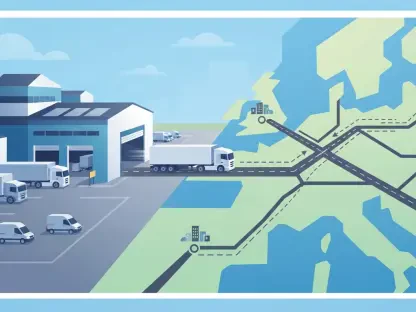
Resilience is an architectural quality that must be carefully engineered long before a crisis occurs, as it cannot be manufactured effectively during the height of a retail surge. Successful logistics strategies in 2026 involve creating a substantial operational buffer that goes beyond simple inventory stockpiling. This process involves leveraging the collective expertise and physical assets of a broad, interconnected logistics network to ensure that localized disruptions do not escalate into systemic failures. By diversifying supplier bases and utilizing multi-modal transport options, companies can create a safety net that remains functional even when specific links in the chain are compromised. This collaborative approach to infrastructure allows for a shared burden of risk and provides the necessary flexibility to scale operations up or down as demand dictates. Engineering this level of preparedness requires a long-term commitment to investment and a willingness to prioritize stability over short-term savings.
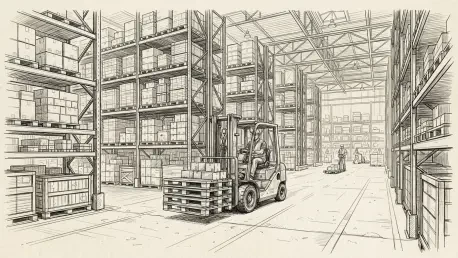
Strategic preparation also necessitates a rigorous audit of existing automated systems and physical infrastructure to identify potential points of failure before the peak season begins. Redundancy is the cornerstone of this preparation; ensuring that backup systems for warehouse management and automated sorting are in place can prevent catastrophic downtime during critical shopping periods. Furthermore, securing access to scalable storage solutions and extra driver capacity well in advance provides a vital cushion against unexpected spikes in volume. Effective communication lines must be established across the entire organization to ensure that every department—from procurement to last-mile delivery—is aligned with the resilience strategy. This holistic view of network capacity allows for a more coordinated response to disruptions, ensuring that the supply chain remains a reliable engine for growth. By focusing on these structural foundations, retailers can build an ecosystem that is not only robust but also capable of adapting.
Reliability: Prioritizing Availability to Secure Customer Loyalty
The ultimate measure of any supply chain strategy is its consistent ability to fulfill the consumer promise, particularly as shoppers increasingly prioritize product availability above brand loyalty. Research into the availability effect highlights a critical vulnerability for retailers: a significant percentage of modern consumers will permanently switch to a competitor if they encounter persistent stock gaps on the shelf or online. In the current omnichannel environment, where alternatives are only a click away, the cost of an out-of-stock item is no longer just a lost transaction; it is the potential loss of a lifetime customer and a blow to the brand’s long-term reputation. Therefore, the supply chain must be viewed as a primary driver of customer retention rather than just a back-end cost center. Maintaining high levels of product availability requires a relentless focus on inventory accuracy and real-time replenishment strategies that can keep pace with the accelerated speed of modern commerce.
Achieving this level of reliability requires deep visibility across the entire value chain, facilitated by open communication between retailers and their logistics partners. By sharing granular data on inventory levels and sales trends, both parties can identify potential bottlenecks and resolve them before they impact the end consumer. This transparency is especially crucial in managing the complexities of last-mile delivery, where logistical hurdles are most visible to the public. Advanced tracking technologies now allow for precise monitoring of goods in transit, enabling proactive adjustments to delivery schedules or routes in response to real-time challenges. When logistics partners are treated as strategic allies rather than mere service providers, the resulting synergy enhances the overall responsiveness of the supply chain. This collaborative focus on the end-to-end customer experience ensures that the promise of availability is kept, even during the most demanding peak periods, thereby securing a competitive edge.
Transformation: Integrating Agility as a Permanent Operational Standard
As the consumer goods industry transitions from the specific demands of summer volatility to the festive requirements of the winter holiday season, the need for structural flexibility remains the only constant. Integrating agility as a permanent operational standard means moving away from the idea of peak as an exceptional event and instead viewing it as a repeatable performance test. Businesses that succeeded in 2026 did so by fostering a symbiotic relationship between visibility, collaboration, and rapid response. This mindset shift allowed them to navigate the unpredictable nature of global markets with confidence, turning potential disruptions into opportunities for market share gains. By embedding these principles into the organizational culture, retailers ensured that their logistics networks were always ready to scale, regardless of the season. This commitment to continuous improvement transformed the supply chain from a reactive department into a strategic powerhouse capable of driving sustained growth.
The pursuit of supply chain mastery reached a turning point where organizations finally moved beyond the limitations of legacy systems and siloed thinking. By implementing advanced predictive analytics and fostering deep partnerships with logistics experts, industry leaders established a new benchmark for operational resilience. These companies prioritized long-term structural health over temporary fixes, ensuring that they were prepared for the complexities of a multi-polar retail environment. The transition required a focus on actionable data, where insights from 2026 to 2028 were used to refine replenishment cycles and enhance last-mile efficiency. Moving forward, the most successful strategy involved the continuous auditing of network capabilities and the constant retraining of personnel to handle automated tools. These steps proved that while volatility remained a constant, the ability to adapt was the ultimate differentiator for those seeking to dominate the landscape and maintain trust.