
In a marketplace where the speed of a delivery truck often dictates the success of a digital storefront, the physical geography of supply chains has become the ultimate arbiter of brand loyalty and corporate longevity. The modern third-party logistics sector has evolved far beyond its origins as a collection of simple storage facilities. Today, it functions as a high-tech nerve center where every square foot is optimized by sophisticated algorithms. As the global economy pivots toward a consumer-centric model, the ability to manage inventory with precision has shifted from a back-office necessity to a frontline competitive advantage.
Logistics now serves as the backbone of the digital economy, integrating warehousing, last-mile delivery, and inventory management into a single cohesive system. Companies that once relied on slow-moving freight now prioritize real-time tracking and automated sorting to keep pace with demand. The introduction of robotics and AI-driven automation has created a divide between legacy providers and modern fulfillment partners. In this environment, the most successful market players are those who can balance the complexities of labor management with the relentless pursuit of technological efficiency.
The State of Modern Logistics and the High-Stakes Fulfillment Industry
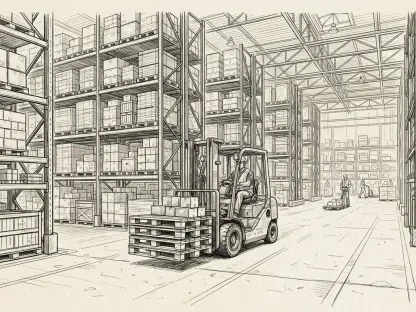
The evolution of the third-party logistics sector has transformed the traditional warehouse into a specialized distribution hub capable of handling massive volumes of individual parcels. This shift is driven by a global supply chain that no longer tolerates the delays of centralized shipping. Modern distribution involves a delicate dance between inventory placement and predictive analytics, ensuring that products are staged exactly where they are needed before a customer even clicks the buy button.
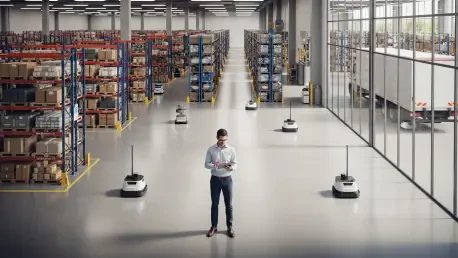
As automation becomes the standard, the human element of logistics is increasingly focused on oversight and complex problem-solving rather than manual labor. High-tech facilities now utilize autonomous mobile robots to streamline the picking process, reducing the margin of error while increasing throughput. This technological arms race has raised the barrier to entry, forcing smaller players to consolidate or specialize while national providers expand their footprints to offer comprehensive coverage across various regulatory environments.
The Transformation of E-Commerce Delivery and Consumer Expectations
Strategic Drivers Reshaping the Third-Party Logistics Landscape
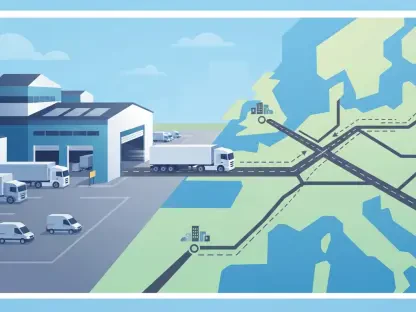
The contemporary race for speed has fundamentally altered how brands perceive their physical distribution networks. Two-day ground shipping is no longer a luxury but a baseline expectation for the average consumer. High cart abandonment rates are frequently traced back to long delivery windows, forcing retailers to reconsider where they house their stock. This necessity has birthed the decentralized warehouse model, where inventory is spread across multiple regional nodes to ensure proximity to the final destination.
Omnichannel retail requires a level of digital integration that was previously unimaginable. A brand must now sync its online presence with physical inventory across dozens of locations simultaneously. This demand for seamless connectivity has created opportunities for logistics providers that offer robust software interfaces. These platforms allow for real-time visibility, enabling brands to pivot their strategies based on shifting regional demand or unexpected surges in consumer interest.
Market Projections and the Economic Impact of Regional Fulfillment
Projections for the North American fulfillment market indicate a steady climb in value as domestic shipping volumes continue to rise from 2026 to 2030. Performance indicators suggest that proximity to major population centers is the most effective way to lower the cost-per-click and reduce shipping overhead. By moving the fulfillment point closer to the consumer, companies can avoid the premium pricing associated with air freight and long-haul trucking.
This shift toward regionalization has a profound impact on the long-term sustainability of the industry. Ground-based networks are inherently more efficient and easier to decarbonize than their airborne counterparts. As environmental concerns become a primary driver of corporate policy, the transition to local hubs offers a dual benefit: it satisfies the consumer demand for speed while fulfilling the corporate mandate for a reduced carbon footprint through shorter transit distances.
Navigating the Complexity of National Distribution and Port Congestion
Operating within the Northeast corridor presents a unique set of challenges characterized by high real-time costs and dense urban congestion. Major transit hubs in states like New Jersey are vital for accessing the massive consumer base of the East Coast, yet they remain susceptible to logistical bottlenecks. Successful distribution strategies must account for the high price of industrial real estate and the competitive labor market in these regions. Redundancy across the network is the only way to mitigate the risk of a single point of failure in such a high-traffic zone.
Managing the flow of goods through major ports requires a sophisticated understanding of both international shipping and domestic drayage. When congestion at the port slows the arrival of inventory, a well-placed regional hub can act as a buffer, maintaining delivery speeds using stock already on hand. This balance between rapid inventory turnover and the rising costs of fuel requires a constant recalibration of transportation routes to ensure that efficiency is maintained even during periods of extreme market volatility.
The Regulatory Framework and Compliance Standards for Modern Warehousing
Modern warehousing is governed by a complex web of Department of Transportation and OSHA regulations that dictate everything from driver hours to aisle widths. For a new hub in New Jersey to be successful, it must adhere to strict safety standards while maintaining the high-speed output required by e-commerce. Compliance is not just about avoiding fines; it is about building a sustainable operation that can attract and retain a skilled workforce in a competitive environment.
Data security has also moved to the forefront of the regulatory landscape as logistics providers handle increasing amounts of sensitive consumer information. Integrated software environments must comply with privacy standards that protect data as it moves between e-commerce platforms and warehouse management systems. Furthermore, environmental mandates are becoming more stringent, requiring facilities to implement energy-efficient lighting and sustainable waste management practices to meet local and federal guidelines.
The Future of Fulfillment: Innovation and the Distributed Warehouse Model
The industry is moving toward the implementation of smart hubs that utilize artificial intelligence for predictive inventory slotting. By analyzing historical data, these systems can forecast demand for specific products and reposition them within the warehouse to minimize travel time. This level of precision is essential for maintaining the margins of independent brands that lack the massive resources of global marketplace giants but still need to offer competitive shipping terms.
Potential disruptors like autonomous trucking and drone delivery are moving from the experimental phase toward broader adoption. These technologies promise to further reduce last-mile delivery costs and solve the persistent challenge of labor shortages in the trucking industry. Additionally, the trend toward near-shoring is resulting in more localized inventory, as brands move production closer to their primary markets to avoid the risks associated with transcontinental supply chains.
Final Assessment of Fidelitone’s Strategic Four-Corner Network
The completion of the Bridgeport, NJ facility solidified a logistics infrastructure that provided 98% national ground coverage. This strategic move enabled mid-sized brands to leverage high-speed logistics that were previously reserved for the industry’s largest corporations. By placing the final piece of the four-corner grid, the organization addressed the critical need for regional proximity in the nation’s most densely populated corridor. This expansion reduced the reliance on expensive air transport and allowed for a more sustainable ground-based approach to fulfillment.
Retailers who utilized this optimized network saw a significant improvement in operational margins and a decrease in delivery times. The integration of the New Jersey hub into a broader national system offered a blueprint for geographic optimization that balanced cost, speed, and reliability. Future commercial strategies likely focused on further refining these nodes through advanced predictive analytics and autonomous technology. Ultimately, the successful implementation of this regional model demonstrated that geographic placement remained the most vital component of a resilient and competitive supply chain.