
The evolution of globalized digital-first agriculture is being driven by the ability to solve complex regulatory and logistical hurdles through centralized technology platforms. The current retail landscape in South Korea has undergone a radical transformation as Coupang, a dominant force in regional e-commerce, forms a strategic alliance with Wisconsin’s Sartori Cheese. This partnership is not merely a supply agreement; it represents a fundamental shift in how perishable high-value goods cross international borders. By utilizing proprietary infrastructure, the collaboration connects a family-owned artisanal cheesemaker with a consumer base of over 51 million people. This bypasses the antiquated brokerage systems that have traditionally hampered the growth of American dairy exports in the Asian market. As consumers in Seoul and Busan increasingly demand premium international ingredients, the ability to deliver fresh SarVecchio Parmesan or BellaVitano within hours of an order creates a new standard for global trade efficiency.
Bridging the Gap Through Technological Innovation
Streamlining Logistics and Compliance: Automating Trade Barriers
Coupang operates as far more than a simple digital marketplace; it functions as an integrated logistics and regulatory engine designed to handle every facet of the export lifecycle. Navigating the labyrinth of South Korean customs and food safety regulations often proves insurmountable for mid-sized manufacturers without localized representation. However, this platform absorbs those operational burdens by managing international marketing, ocean freight, and complex customs documentation on behalf of the producer. This systemic integration is further bolstered by massive investments in automated fulfillment centers and artificial intelligence-driven routing, which optimize the journey of every wheel of cheese from Wisconsin to Asia. The removal of administrative friction allows Sartori to focus on production excellence while the technology platform ensures that regulatory compliance is handled with precision. This model effectively democratizes access to foreign markets for American agricultural businesses.
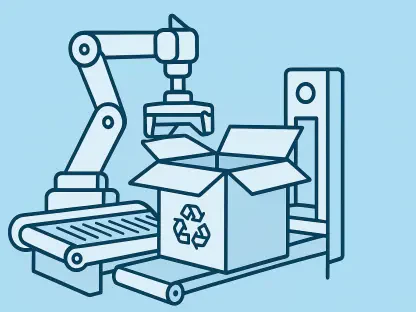
The integration of advanced robotics and machine learning within the fulfillment process has redefined the speed of international commerce. When an order is placed on the Rocket Fresh platform, the system triggers a sequence of events that coordinates air and sea transport with domestic “last-mile” delivery routes. This orchestration is essential for maintaining the reputation of artisanal brands that rely on specific aging and storage conditions. By digitizing the paperwork and automating the logistics chain, Coupang reduces the time spent in transit and the risk of administrative delays at the port of entry. The result is a streamlined pipeline where the physical movement of goods matches the speed of digital data. This technological foundation provides a scalable blueprint for other American food producers looking to penetrate the South Korean market. Furthermore, the use of predictive analytics allows the platform to anticipate demand spikes, ensuring that stock levels remain consistent.
Mastering the Trans-Pacific Cold-Chain: Preserving Artisanal Quality
A critical technical challenge in this partnership involves the maintenance of a seamless cold-chain to preserve the delicate flavors and textures of artisanal products like SarVecchio Parmesan. Sartori Cheese produces its goods in Plymouth, Wisconsin, using high-quality milk sourced from family farms within a strict 75-mile radius. This commitment to local sourcing means that the product is at its peak freshness before it begins the journey across the Pacific. To protect this integrity, Coupang’s “Rocket Fresh” infrastructure employs specialized temperature-controlled environments from the point of origin to the consumer’s doorstep. This unbroken chain is vital because dairy products are highly sensitive to fluctuations in temperature, which can compromise both safety and quality. The use of IoT-enabled sensors throughout the transport process provides real-time monitoring of thermal conditions, ensuring that every batch remains within its required window for maximum freshness.
Sustaining a trans-pacific cold-chain requires a massive capital investment in specialized shipping containers and regional distribution hubs equipped with temperature-zoned storage. Unlike general merchandise, fresh dairy requires constant climate management during the “last-mile” delivery, which is often the most difficult segment of the journey to control. Coupang has addressed this by building a network of cold-storage facilities that blanket the South Korean peninsula, allowing for rapid movement between regional hubs and local delivery vehicles. These vehicles are designed to keep products refrigerated until they reach the customer, preventing the spoilage issues that frequently plague traditional importers who rely on third-party couriers. This infrastructure provides a distinct competitive advantage, as it allows for the delivery of short-shelf-life goods with a level of reliability that was previously unattainable in the cross-border e-commerce sector for perishable dairy goods.
Disrupting Traditional Trade Models
Empowering Direct-to-Consumer Global Scaling: Expanding Reach
The transition to a digital-first export strategy allows American manufacturers to scale their international presence at a pace that contradicts traditional business expansion models. In the past, companies like Sartori would spend decades developing international sales through a series of local offices and boots-on-the-ground staff. However, the partnership with Coupang provides a direct-to-consumer pipeline that eliminates the need for a physical footprint in South Korea. This shift is particularly significant for family-owned businesses that possess high-quality products but lack the vast capital required for overseas infrastructure. By leveraging a pre-existing digital network, these manufacturers can reach millions of customers instantly, testing new products and market strategies with minimal risk. This model demonstrates how data-driven platforms act as a bridge, allowing niche producers to compete on a global stage alongside massive international corporations without excessive overhead.
The speed at which a brand can now enter a new geographic region has fundamentally changed the calculus of global expansion for the agricultural sector. Through this digital partnership, the time required to go from a domestic manufacturing plant in Wisconsin to a retail listing in Seoul has been slashed from years to months. This agility is powered by the platform’s ability to handle localized marketing and customer service, removing the language and cultural barriers that often stymie American brands. As a result, the manufacturer can maintain its focus on the craftsmanship of its cheese while the platform manages the complexities of brand positioning and consumer engagement abroad. This division of labor creates a highly efficient system where each partner plays to its strengths. Moreover, the scalability of this model suggests that once the initial logistics are established, expanding the product line to include new varieties or limited-edition cheeses is simple.
Eliminating the Middleman for Market Growth: Reducing Consumer Costs
By acting as both the merchant of record and the primary logistics carrier, Coupang is effectively disintermediating the legacy food supply chain in South Korea. Historically, the flow of foreign goods was controlled by multiple tiers of brokers and wholesalers, each adding their own profit margins and logistical delays. This multi-layered system meant that premium artisanal cheeses were often relegated to the basements of high-end department stores, priced as luxury items out of reach for the average consumer. The direct-import model removes these intermediaries, leading to significantly more competitive pricing and broader market penetration. By bypassing the “middleman,” the cost savings can be passed directly to the consumer, making high-quality American dairy an affordable everyday option rather than a rare indulgence. This democratization of premium food products is reshaping the competitive landscape for local grocery retailers who must now contend with a more efficient rival.
The removal of brokerage cartels also enhances the transparency and traceability of the food supply chain, which is a growing concern for modern consumers. When products move through numerous hands, the risk of mislabeling or improper handling increases, but a direct-to-consumer platform maintains a clear line of custody from the factory to the front door. This transparency builds brand loyalty, as customers can be certain of the origin and quality of the artisanal products they purchase. Furthermore, the data-driven nature of this model allows for better inventory management, reducing the waste and spoilage that often characterize traditional wholesale operations. As the platform continues to refine its direct-sourcing pipelines, the economic pressure on old-school distributors will likely lead to a consolidation of the market. This shift reflects a broader global trend where technology platforms are replacing traditional trading houses as the primary facilitators of international commerce.
Setting a New Global Standard for Perishables
Infrastructure as a Competitive Advantage: Building the Logistics Moat
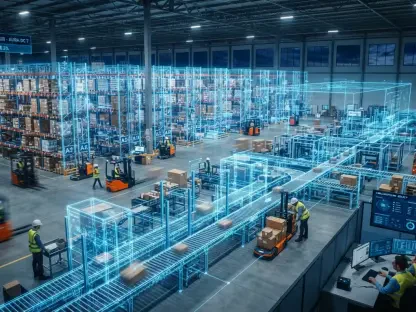
The long-term success of this venture is anchored in Coupang’s multi-billion-dollar investment in physical infrastructure, which serves as a formidable competitive moat. While many technology companies focus solely on digital marketplaces, the commitment to building a massive physical network of distribution centers and temperature-controlled storage facilities has allowed the company to dominate the online grocery sector. This “logistics moat” ensures that short-shelf-life items like fresh cheese can be delivered with a degree of precision that traditional wholesalers cannot match. The integration of artificial intelligence into the warehouse management system further optimizes the flow of goods, reducing the time products spend sitting in storage and maximizing their shelf life upon arrival. This operational excellence is what allows the platform to guarantee freshness across a vast geographic area, even in the dense urban environments of South Korea where traffic often hampers standard delivery.
Beyond the physical buildings, the competitive advantage lies in the sophisticated software that governs the movement of every item within the network. Automated sorting and robotic picking systems minimize human error and accelerate the fulfillment process, allowing orders to be processed and shipped in a fraction of the time required by traditional methods. This efficiency is particularly critical for dairy products, where every hour saved in the logistics chain contributes to the overall freshness and quality of the final product delivered to the customer. As the platform continues to iterate on its logistical technologies, the gap between it and traditional retailers is expected to widen even further. This infrastructure-first approach has transformed the grocery landscape in South Korea, setting a high bar for any competitor attempting to enter the space. The result is a highly resilient supply chain that can withstand external shocks and maintain consistent service levels for American exporters.
Expanding the Cross-Border Trade Blueprint: Mapping Future Corridors
The partnership between the Wisconsin cheesemaker and the South Korean tech giant is not an isolated experiment but a template for a broader strategic blueprint. Similar trade corridors have already been established between the United States and Taiwan, indicating a concerted effort to create a standardized network for global food exports. This model can be replicated across various regions and product categories, potentially bringing a wide range of American agricultural goods to Asian markets with unprecedented ease. As these cross-border corridors mature, they will likely facilitate a more integrated global food system where geographical distance is no longer a significant barrier to trade. The success of this endeavor will likely encourage other international producers in Europe and Australasia to seek similar exclusive arrangements, further consolidating the role of technology platforms as the gatekeepers of modern trade in the current 2026 to 2028 landscape.
This blueprint also suggests a future where data sharing between producers and retailers becomes even more integrated, allowing for precision-targeted production based on real-time market demand. As the platform gathers more information on consumer preferences in different regions, it can provide invaluable insights to manufacturers, helping them tailor their products for specific demographics. This level of collaboration could lead to the development of new product lines specifically designed for the export market, further driving growth in the agricultural sector. The move toward a more digital and integrated global supply chain also has implications for food security and sustainability, as more efficient logistics reduce waste and optimize resource allocation. Ultimately, the expansion of these trade corridors signifies a permanent shift in how the world consumes perishable goods. The lessons learned from the Plymouth-to-Korea pipeline will undoubtedly inform future efforts to connect diverse markets.
In reviewing the strategic outcomes of this partnership, it became evident that the successful integration of Wisconsin artisanal dairy into the South Korean market depended heavily on the technological infrastructure that bridged the gap between continents. Stakeholders moved beyond the limitations of traditional brokerage by adopting a direct-to-consumer logistical model that prioritized speed and climate control. For American producers, the actionable takeaway focused on the necessity of partnering with platforms capable of managing complex foreign regulations and “last-mile” delivery. This approach allowed for a significant reduction in overhead costs while increasing the visibility of premium brands in highly competitive Asian markets. Looking forward, manufacturers should consider investment in digital-ready packaging and data-sharing capabilities to fully capitalize on these emerging trade corridors. The success of the Sartori and Coupang alliance provided a clear roadmap for the future of globalized agriculture where automation and cold-chain logistics redefined trade.