
Modern retail environments are increasingly defined by a persistent and frustrating structural disconnect between the strategic vision developed at the corporate level and the actual reality of the sales floor. When a retail organization designs a complex seasonal promotion or a new set of operational standards, the expectation is a uniform rollout across every single location in the enterprise. However, the phenomenon known as the “execution gap” frequently intervenes, resulting in some stores thriving while others fail to implement even the most basic elements of the plan. This failure is rarely a matter of poor intent or a lack of hard work from the frontline associates; rather, it is a byproduct of outdated communication systems that cannot keep pace with the velocity of today’s commerce. By shifting away from paper-based checklists and fragmented digital messages toward a unified mobile task management ecosystem, retailers can finally ensure that their brand promise is kept consistently across every shift, location, and customer interaction.
The traditional reliance on “ambient communication”—which includes everything from morning huddles and verbal instructions to overflowing email inboxes—creates a natural erosion of information as it travels down the management chain. By the time a high-level directive reaches a part-time associate on a busy Tuesday afternoon, the original urgency and specific technical requirements have often dissipated into a vague set of suggestions. This reliance on human memory and timing is inherently flawed, as it forces employees to make “best guesses” about their priorities when foot traffic spikes or staffing levels fluctuate. Consequently, the lack of a standardized, digital source of truth leads to uneven promotional displays, missed inventory updates, and a gradual drift away from the corporate standards that define the brand. Bridging this gap requires a move toward structured, role-specific digital workflows that provide clarity in the face of retail chaos.
Identifying the Modern Barriers to Store Consistency
Overcoming Informational Noise and Precision Issues
One of the most significant obstacles to operational excellence is the sheer volume of “informational noise” that hits the average store associate during a standard shift. In many traditional retail settings, workers are bombarded with a generic stream of tasks and updates, many of which have absolutely no relevance to their specific department or job function. This lack of precision leads to “directive fatigue,” where employees stop checking for updates because they expect the information to be irrelevant. Mobile task management solves this by utilizing role-based filtering, ensuring that a visual merchandiser only receives tasks related to display resets and signage, while a checkout advocate sees updates regarding loyalty program scripts or queue management. By delivering only what is necessary, the system reduces cognitive load and allows the workforce to execute with a higher degree of accuracy and speed.
Beyond simply filtering information, the transition to digital task management introduces a sophisticated psychological layer to daily operations through time-bound workflows and explicit prioritization. When an associate looks at a mobile device and sees a task flagged with a high-priority status and a specific completion deadline, it creates an immediate sense of structured urgency that verbal instructions cannot replicate. This digital framework removes the need for individual employees to improvise their schedules, which is where most execution errors occur. Instead, the system dictates a natural operational rhythm, ensuring that critical initiatives—such as a nationwide product launch or a flash sale—commence at the exact same moment across the entire enterprise. This structural approach transforms the sales floor from a collection of individual efforts into a synchronized execution engine driven by real-time data.
Enhancing Workflow Through Device Intuition
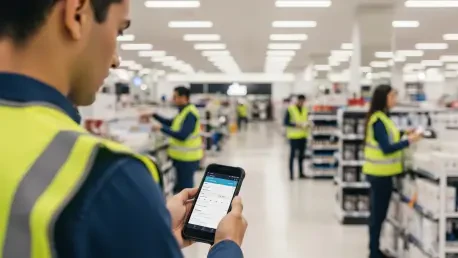
The success of any digital transformation on the retail floor depends heavily on the friction-less adoption of the technology by the people who use it every day. When organizations provide enterprise-grade mobile devices that mirror the form factor and interface of consumer smartphones, they significantly flatten the learning curve for a diverse workforce. Associates who are already comfortable with mobile operating systems can transition to professional task management apps with minimal training, which accelerates the return on investment for the hardware. This familiarity breeds a level of confidence that encourages employees to use the tools as a primary resource rather than a secondary burden. When the technology feels like a natural extension of their personal habits, associates are more likely to engage with task lists, report issues immediately, and maintain the digital “paper trail” necessary for enterprise-wide visibility.
Furthermore, the physical environment of a retail store demands a level of hardware resilience that standard consumer devices simply cannot provide without specialized engineering. Frontline retail work involves constant movement, frequent drops, and long hours away from a charging station, meaning that a device failure at 2:00 PM on a Saturday can effectively blind a store’s management team to current progress. Modern enterprise devices must offer military-grade durability and high-capacity, swappable batteries to ensure that the task management system remains an accelerator rather than a bottleneck. By investing in hardware that is purpose-built for the rigors of the sales floor, retailers prevent the technical downtime that often leads to a regression into old, inefficient habits. This synergy between intuitive software and rugged hardware creates a reliable foundation for sustained operational consistency across the entire store network.
Leveraging Technology for Operational Transparency
Real-Time Visibility and the Proactive Management Shift
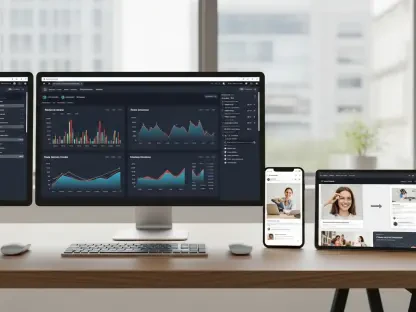
The move toward real-time transparency represents a fundamental shift in how district and store managers oversee their operations, moving them away from a reactive “firefighting” stance. In an environment equipped with mobile task management, every completed action or flagged obstacle is instantly updated in a centralized dashboard, providing leadership with a bird’s-eye view of the entire organization. This visibility allows managers to identify lagging locations or departments in real-time without having to conduct intrusive, manual check-ins that pull associates away from customers. If a particular store is failing to meet its visual merchandising deadlines, a regional manager can quickly investigate whether the cause is a localized staffing shortage, a lack of specific training, or a delay in receiving promotional materials. This data-driven clarity enables a more surgical and supportive management style that addresses the root cause of execution failures.
This newfound transparency also fosters a culture of proactive problem-solving that fundamentally improves the customer experience by catching errors before they become visible to the public. For instance, if a digital task for “out-of-stock verification” is flagged as unresolvable due to a missing shipment, the system can automatically alert the logistics team or adjust the online inventory status for that specific location. Instead of waiting for a customer to complain about a missing item, the store can address the discrepancy hours or even days in advance. This shift from reactive to proactive management ensures that the brand’s standards are upheld not just when a manager is looking, but as a continuous, automated standard. By leveraging real-time data, retail leaders can spend less time hunting for information and more time analyzing the strategic health of their operations, ultimately leading to more resilient and profitable store clusters.
Hardware Foundations for Enterprise Deployment
While the software provides the interface for task management, the underlying hardware ecosystem and its security protocols are what enable large-scale deployment across hundreds of locations. Standardizing the IT environment is critical because retail associates often move between different stores or shifts, and they require a perfectly consistent technological experience regardless of their physical location. Through advanced mobile management platforms, such as those integrated into modern enterprise-grade smartphones, IT departments can push updates, configure security settings, and manage credentials from a central hub. This ensures that every device on every sales floor is running the same version of the task management software and adheres to the same security standards. Such a unified approach minimizes the risk of data breaches and technical glitches that could otherwise derail a high-stakes promotional rollout.
In addition to centralized management, the integration of enterprise-level security ensures that sensitive company data and customer information remain protected in an increasingly mobile workplace. Features such as biometric authentication and hardware-level encryption allow associates to access their workflows quickly while maintaining a fortress-like barrier against unauthorized access. This level of technical sophistication is vital for maintaining operational uniformity, as it removes the friction often associated with complex login procedures or unreliable connectivity. When the technology works seamlessly every time an associate picks up a device, it reinforces the operational standards of the company. A secure and reliable hardware foundation acts as the “silent partner” in the execution of retail strategy, providing the stability necessary for associates to perform their tasks with total focus and zero technical frustration.
Driving Accountability and Reclaiming Leadership Time
Standardized Security and Automated Accountability
One of the most profound changes introduced by mobile task management is the automation of accountability, which shifts the workplace dynamic from one of oversight to one of shared responsibility. In traditional retail environments, tracking who was responsible for a specific task—like restocking a high-margin endcap or cleaning a fitting room—often involved a messy trail of paper logs or verbal “he-said, she-said” scenarios. Mobile task management creates an immutable digital record of who accepted a task, when it was started, and exactly when it was completed. This transparency removes the ambiguity that often leads to friction between staff and management, fostering a more professional and objective workplace culture. When everyone knows that their contributions are being tracked and acknowledged by the system, it naturally raises the standard of performance across the board.
The digital paper trail provided by these systems also serves as a vital tool for long-term performance coaching and career development for frontline associates. Managers can use the data gathered by the task management platform to identify top performers who consistently beat deadlines or to spot team members who may need additional training in specific areas. Rather than relying on subjective observations from a single shift, a manager can look at a month’s worth of objective data to provide constructive feedback that is grounded in reality. This level of automated accountability not only improves store-level execution but also builds a sense of fairness and meritocracy within the team. By eliminating the “guesswork” of performance evaluation, retailers can build more motivated workforces that are aligned with the high-level strategic goals of the organization.
Strategic Reallocation of Management Resources
Perhaps the most impactful result of implementing a mobile-first task management strategy is the significant amount of time it returns to store leadership. By automating the manual verification of daily tasks and the sorting of corporate communications, managers can reclaim roughly five hours per week that were previously lost to administrative “busy work.” This reclaimed time is a precious resource that can be redirected toward high-value activities that a digital system cannot perform, such as coaching new hires, engaging directly with customers on the floor, and solving complex localized operational issues. When a manager is no longer tethered to a back-office computer or a clipboard, they are free to lead their team through active presence and strategic thinking. This shift fundamentally changes the manager’s role from a task-checker to a strategic leader who drives growth.
The long-term success of a retail organization in the modern market depends on its ability to adapt and execute at a speed that traditional methods simply cannot support. Moving forward, the focus must remain on the synergy between secure, durable hardware and intelligent, role-specific software to ensure that the execution gap remains closed. Retailers who have embraced these tools have found that their store environments are not only more consistent but also more resilient to the fluctuations of the labor market and consumer demand. The journey toward operational excellence was defined by the removal of informational barriers and the empowerment of the frontline worker. By prioritizing these digital bridges, organizations have positioned themselves to lead the industry, turning store-level execution from a constant challenge into a definitive competitive advantage that was built to last well into the future.