
The traditional retail storefront has undergone a metamorphosis where silent algorithms and invisible sensors now dictate the rhythm of commerce more effectively than any human floor manager could ever hope to achieve in a single shift. This is no longer the era of trial runs; as of 2026, the industry has reached a tipping point where operational maturity is measured by the degree of machine autonomy. Retailers are pivoting from reactive digital tools toward proactive systems that anticipate consumer needs before a single click is registered. This review examines how the current ecosystem of agentic intelligence and automated logistics has fundamentally altered the merchant-consumer relationship, moving beyond the novelty of “smart” stores into a reality of self-sustaining commerce.
Foundations of Autonomous Systems in Modern Retail
Modern retail architecture has moved away from the fragmented manual digital tools that defined the previous decade. The shift toward self-executing systems relies on a delicate balance of edge computing and high-fidelity sensor networks. Unlike earlier cloud-reliant models that suffered from latency, current systems process data locally at the storefront or warehouse level. This enables real-time adjustments to lighting, inventory tracking, and security without waiting for a remote server to authorize a response. These core principles represent a departure from simple automation, which merely followed scripts, to true autonomy, where the system interprets environment-specific variables to optimize performance independently.
The evolution of this ecosystem is rooted in the integration of diverse hardware and software layers into a single intelligent environment. Machine learning algorithms no longer function as external plugins but serve as the central nervous system for physical retail spaces. This integration has minimized human intervention in routine tasks like stock replenishment and temperature control, allowing the broader technological landscape to move at a pace that matches modern consumer demand. By increasing operational precision, these foundations have enabled a level of reliability that makes human-centric management feel increasingly sluggish and prone to error.
Primary Technical Pillars of Autonomous Retail
Agentic Artificial Intelligence and Integrated Commerce Protocols
The most significant advancement this year is the widespread adoption of agentic artificial intelligence, which differs from generative AI by its ability to execute complex workflows. While generative models were limited to creating content or answering queries, agentic AI functions as an autonomous operator that can navigate supply chain obstacles, adjust pricing based on localized demand, and manage vendor relationships. This technology acts as the connective tissue for the modern enterprise, bridging the gap between back-end logistics and front-end customer interaction through a seamless, automated flow of information.
Performance is further enhanced by the Universal Commerce Protocol (UCP), which has standardized the consumer journey across diverse digital environments. By utilizing UCP, retailers have successfully embedded checkout and payment functionalities directly into third-party AI interfaces, effectively eliminating the need for a traditional website visit. This reduction in friction is a critical differentiator, as it allows commerce to happen within the flow of a conversation or a task. The ability to minimize technical debt through standardized protocols means that even complex retail environments can now maintain high-speed operations without the constant need for manual software updates.
Autonomous Logistics and Ultra-Fast Fulfillment Networks
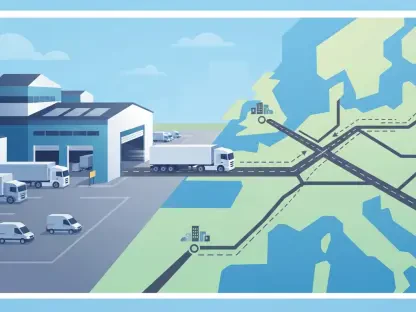
The technical landscape of fulfillment has been redefined by the necessity of sub-30-minute delivery windows. Achieving this speed required a complete overhaul of urban logistics, moving toward drone fleets and automated micro-fulfillment centers. These centers are often located in repurposed urban spaces, allowing inventory to sit closer to the end consumer than ever before. The technical challenge lies in coordinating hundreds of autonomous drones and ground robots to navigate complex city environments, a feat that is now managed by sophisticated traffic control algorithms that optimize routes in milliseconds.
This ultra-fast fulfillment infrastructure has shifted supply chain management from a push-based model to a pull-based strategy. Instead of shipping large quantities of stock to regional warehouses and hoping for sales, the current system senses demand in real-time and triggers micro-shipments instantly. This change has forced a re-evaluation of inventory density, as the value of a product is now inextricably linked to its proximity to the customer. Consequently, the performance metrics for logistics are no longer just about cost per mile but about the total time elapsed from the moment of intent to the physical arrival of the goods.
Emerging Trends and Industry Innovations
One of the most compelling trends observed currently is the move toward “human-in-the-loop” oversight for high-speed AI decision-making. As agentic systems take over the bulk of operational choices, the risk of cascading errors increases. To mitigate this, retailers are implementing supervisory layers where human experts monitor the AI’s logic for anomalies, particularly in high-stakes areas like dynamic pricing during periods of supply chain volatility. This trend reflects a maturing industry that recognizes the power of automation while respecting the need for a safety net to manage macro-economic shocks or shifting international tariffs.
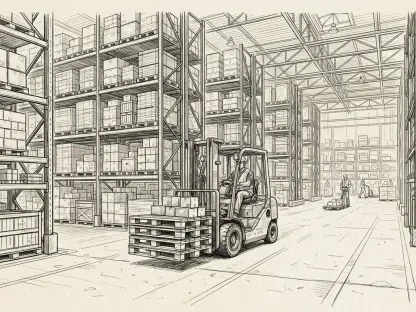
Moreover, the rise of “dark stores” has transformed the physical footprint of the retail sector. These are not stores in the traditional sense but localized hubs optimized entirely for robotic picking and rapid dispatch. By removing the need for a customer-facing aesthetic, these hubs can maximize vertical space and use high-density storage that would be inaccessible to humans. This trend is supported by open standards like the Universal Commerce Protocol, which ensures that these hidden hubs stay perfectly synced with various storefronts, whether they are physical locations or decentralized AI agents.
Real-World Applications and Sector Case Studies
The practical application of these technologies is most visible in the aggressive expansion of drone networks by industry giants. In the United Kingdom and various U.S. markets, autonomous flight has moved from a regulatory hurdle to a standard delivery method for pharmacy and grocery items. These networks prove that when the hardware is backed by robust AI navigation, the “last mile” problem can be solved with unprecedented efficiency. Similarly, the use of conversational analytics by large-scale department stores has empowered floor staff to query store-level data using natural language, turning every associate into a data analyst capable of identifying inventory gaps or sales trends on the fly.
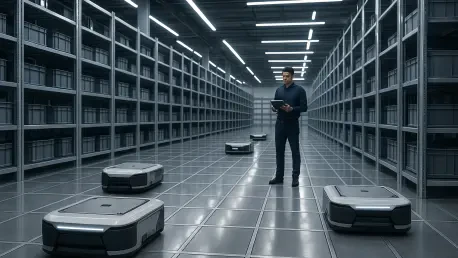
In the grocery sector, the implementation of shelf-scanning robotics like Simbe’s “Tally” has provided a solution to the persistent problem of inventory auditing. These robots operate during normal store hours, navigating around shoppers to identify out-of-stock items and pricing discrepancies. This real-world application shows how hardware can augment human judgment, especially in high-turnover environments. Even the resale market has seen a shift, where AI tools now price non-barcoded items by analyzing visual data and market trends, proving that even the most subjective areas of retail are susceptible to the benefits of autonomous operation.
Technical Limitations and Market Obstacles
Despite the rapid progress, significant obstacles remain for the broader adoption of autonomous systems. The capital requirements for drone fleets and micro-fulfillment automation are immense, creating a barrier to entry that many regional operators struggle to overcome. This has led to a fragmented market where smaller retailers must rely on expensive third-party platforms to provide a similar level of service. Furthermore, the regulatory landscape for autonomous flight and data privacy is still in a state of flux, necessitating constant legal vigilance and potentially slowing down expansion into more restrictive geographic regions.
There is also the inherent risk of over-automation, where a lack of human oversight can lead to operational errors that are difficult to undo. For instance, an AI-driven pricing glitch can result in thousands of sales at a loss before a human detects the issue. To address these risks, current development efforts are focused on creating more transparent AI “black boxes” so that operators can understand why a system made a specific choice. Democratizing access to these sophisticated tools through third-party platforms is a priority for those seeking to prevent a total monopoly by the most well-funded players in the space.
Future Outlook for the Autonomous Retail Ecosystem
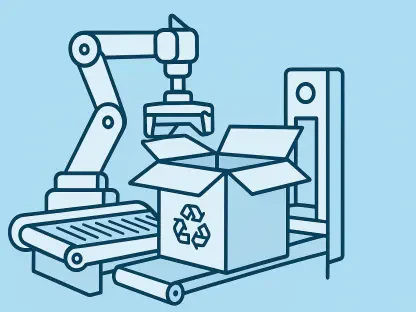
Looking ahead, the long-term impact of agentic AI will likely lead to the total collapse of traditional retail planning cycles. In a world where demand is sensed and fulfilled in minutes, the concept of a “quarterly plan” becomes an antique. We can expect breakthroughs in robotic dexterity to follow, allowing machines to handle delicate or irregularly shaped items that currently require human touch. This will further reduce the physical constraints of automation, making it possible for robots to manage everything from apparel folding to the assembly of complex meal kits within the fulfillment center.
The shift in the workforce will continue toward total augmentation, where human roles move away from task execution and toward high-level strategy and customer relationship management. The technological gap between those who adopt these systems and those who do not will likely widen, leading to a period of consolidation. As autonomous capabilities become the baseline for market entry, the focus will shift from “how to automate” to “how to differentiate” in a market where speed and accuracy are no longer competitive advantages but basic expectations.
Strategic Assessment and Review Summary
The transition toward autonomous operations moved from an optional efficiency gain to an existential necessity for any brand seeking to maintain market relevance. The industry successfully integrated agentic AI and ultra-fast logistics to create a high-velocity environment that favored precision over traditional scale. It was observed that the maturity of these systems allowed for a significant reduction in operational waste and an increase in data accuracy that human-led systems could not replicate. The implementation of open protocols proved vital in preventing silos and ensuring that decentralized commerce could thrive across multiple platforms simultaneously.
Retailers should now prioritize the decentralization of their intelligence systems, moving more decision-making power to the edge to ensure resilience against regional network failures. Investment in hybrid models that combine high-speed automation with human-in-the-loop oversight will provide the most stable path forward for managing complex global supply chains. As the baseline for competition evolved to include sub-30-minute delivery and real-time inventory sensing, the focus must shift to enhancing the human elements of the brand that machines cannot yet mimic. Future efforts were directed toward perfecting robotic dexterity and deepening the integration of conversational interfaces to ensure that the autonomous store remains an inviting space for the consumer.