
From Buzzword to Business Imperative: Understanding the New Logistics Landscape
The global supply chain, once a predictable, behind-the-scenes function, has been thrust into the spotlight by unprecedented volatility, and in response, a powerful transformation is underway: the digital logistics revolution. This is not a mere upgrade of existing systems but a fundamental reimagining of how goods are stored, moved, and managed. Fueled by a convergence of advanced technology, shifting consumer expectations, and immense market pressure, this revolution is projected to more than double the global digital supply chain technology market from $72 billion in 2025 to over $146 billion by 2031. This article explores the core drivers behind this explosive growth, examining the key technologies, strategic shifts, and future trends that are building the resilient, intelligent, and automated supply chains of tomorrow.
The End of an Era: Why Traditional Supply Chains Are No Longer Tenable
For decades, logistics operated on a linear, cost-centric model designed for stability and predictability; however, this framework has proven dangerously fragile in the face of modern challenges. The compounding pressures of geopolitical trade friction, acute labor shortages, persistent demand fluctuations, and growing sustainability mandates have exposed the inherent weaknesses of these legacy systems. Traditional supply chains lack the agility to pivot during disruptions and the visibility to anticipate them, leading to costly delays, stockouts, and dissatisfied customers. This breakdown of the old paradigm—the realization that static, siloed operations are a liability—created the fertile ground for a digital-first approach, establishing the foundational need for the speed, intelligence, and resilience that only technology can provide.
The Core Engines of Change: Technology, Commerce, and Data
The E-commerce Tsunami: Redefining Speed and Scale
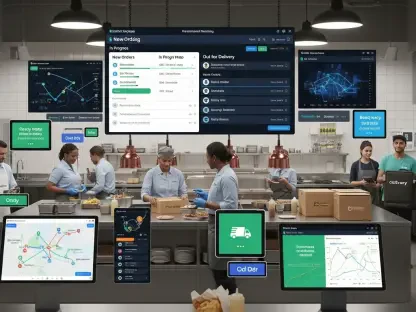
The relentless growth of e-commerce is arguably the single most powerful catalyst reshaping logistics, having shattered traditional delivery timelines and volume expectations, creating a new standard where consumers demand speed, transparency, and convenience. The sheer density of transactions—exemplified by markets like India, which saw its e-commerce gross merchandise volume hit approximately $14 billion in 2025—makes manual or outdated systems untenable. This pressure is forcing companies to adopt digital platforms for real-time order tracking, AI-powered inventory planning, and automated fulfillment to manage millions of individual parcels efficiently. The challenge is no longer just moving pallets to a retail store but orchestrating a complex, high-velocity network that delivers directly to the consumer’s doorstep.
The Rise of Intelligent Automation: From Warehouse Floors to Robotic Fleets
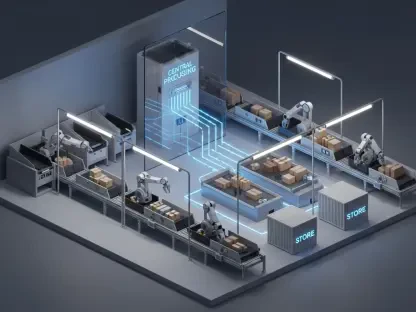
To meet the demands created by e-commerce, automation has evolved from a competitive advantage to a fundamental necessity, and warehouses and fulfillment centers are being transformed by robotics that operate with unprecedented speed and precision. Key technologies like Automated Storage and Retrieval Systems (AS/RS) are optimizing vertical space, while Autonomous Mobile Robots (AMRs) navigate warehouse floors to transport goods flexibly. This evolution is perfectly captured by innovations like Amazon’s “Vulcan” robot, which uses advanced tactile sensing and AI perception to handle a wide range of products with human-like dexterity. This new generation of hardware requires a sophisticated digital brain—an integrated software ecosystem that can orchestrate robotic fleets, manage inventory, and execute orders seamlessly, turning the modern warehouse into a highly synchronized, autonomous environment.
Data as the New Currency: The Power of Predictive and Prescriptive Analytics
Beyond physical automation, the digital logistics revolution is powered by data, and the proliferation of IoT sensors on pallets, vehicles, and containers generates a constant stream of real-time information, creating unprecedented visibility across the entire supply chain. However, the true innovation lies in what companies do with this data. Leading firms are leveraging AI and machine learning platforms to move beyond simple tracking and into the realm of predictive and prescriptive analytics. For example, Oracle’s latest AI-driven tools help organizations anticipate potential disruptions—from weather events to port congestion—and proactively reroute shipments or adjust inventory levels. This shift from reactive problem-solving to proactive optimization is the cornerstone of building a truly resilient and intelligent supply network, where data-driven insights become the most valuable commodity.
Navigating the Future: Trends Shaping the Next Wave of Innovation
The path to digital transformation is not without its challenges, primarily the high upfront costs and complexity of integrating new systems with legacy infrastructure, but in response, a critical trend is shaping the future of the market: the move toward modular, cloud-native, and scalable solutions. Instead of massive, high-risk overhauls, companies are increasingly adopting a phased approach, implementing flexible Software-as-a-Service (SaaS) platforms that address specific pain points and deliver a clearer return on investment. This democratization of technology is making advanced capabilities accessible to small and midsize enterprises, not just industry giants. As this trend accelerates, the future of logistics will be defined by interoperable, cloud-based ecosystems that allow for continuous innovation and adaptation.
A Strategic Roadmap for Digital Adoption
The data and trends clearly indicate that clinging to outdated logistics models is no longer a viable strategy, so for businesses looking to thrive, the key takeaway is the need for a strategic, phased approach to digital adoption. This begins with identifying the most critical pain points—whether in warehouse efficiency, final-mile delivery, or demand forecasting—and investing in scalable technologies that solve them. Best practices include prioritizing solutions that offer seamless data integration to create a single source of truth across operations and embracing cloud-based platforms that reduce capital expenditure and accelerate implementation. As demonstrated by market leaders like DHL, which is acquiring tech-forward fulfillment companies, and SAP, which is deploying cloud solutions in emerging markets, strategic investment in digital capabilities is the primary driver of competitive advantage.
The Revolution Is Here to Stay
The digital logistics revolution is not a fleeting trend but a permanent, structural shift in global commerce, and fueled by the unyielding demands of e-commerce, the transformative power of automation, and the predictive intelligence of AI, this movement is forging supply chains that are not just more efficient but fundamentally more resilient and adaptive. The journey from traditional, reactive logistics to a proactive, data-driven ecosystem is complex, but the imperative is clear. The companies that embrace this change—by investing strategically in technology and building agile operational frameworks—will be the ones to lead the market, navigate future disruptions, and ultimately win the loyalty of the modern consumer.