
The rapid fragmentation of digital sales tools has finally hit a breaking point, forcing modern retailers to choose between managing a dozen disconnected subscriptions or falling behind more agile competitors. As brands struggle with “tool fatigue,” the emergence of unified AI ecommerce platforms marks a definitive shift toward total system integration. This transition is not merely about convenience; it is a fundamental re-architecting of how data flows from the first click to the final delivery. By replacing isolated software silos with a single intelligent core, companies can now focus on brand narrative rather than the technical friction of syncing mismatched databases.
The Evolution of Integrated AI in Direct-to-Consumer Commerce
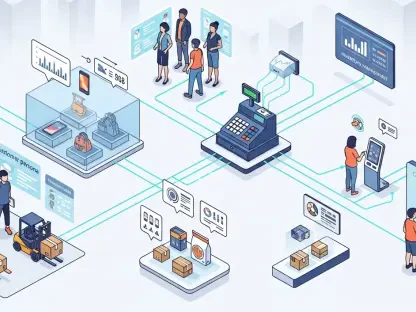
The legacy model of online retail relied on a “best-of-breed” approach that inadvertently created a chaotic web of plugins and APIs. This environment often led to data latency, where customer information in a marketing tool did not match the records in the shipping portal. Unified platforms have evolved to eliminate these discrepancies by establishing a single source of truth. This shift reflects a broader movement within the technological landscape toward AI-centric marketplaces, where speed and data accuracy are the primary drivers of market share.
Total system integration addresses the mental and financial burden of managing multiple vendor relationships. When a platform handles everything from checkout to customer support, the barrier to entry for complex automation drops significantly. This cohesion allows smaller direct-to-consumer (DTC) brands to operate with the same sophisticated infrastructure as global enterprises. Instead of fighting with software compatibility, teams can dedicate their energy to creative strategy and product development.
Core Pillars of Unified AI Ecommerce Architecture
Integrated Customer Lifecycle Management
Unified platforms redefine the customer journey by treating every interaction as a continuous conversation rather than a series of one-off events. By monitoring behavioral patterns across the entire site, these systems trigger hyper-personalized email marketing automations that feel intuitive rather than intrusive. Because the marketing engine is native to the commerce data, it can adjust messaging based on real-time inventory levels or individual purchase history, significantly improving conversion rates and streamlining complex workflows.
Proactive AI Service and Fulfillment Synchronization
The technical brilliance of integrated AI lies in its ability to bridge the gap between customer support and logistics. Modern AI chatbots are no longer limited to basic FAQ responses; they now tap into live fulfillment data to resolve complex inquiries regarding order status or return processing. This synchronization reduces the workload on human agents and ensures that customers receive immediate, accurate answers. The result is a substantial boost in operational efficiency and a noticeable reduction in the friction typically associated with post-purchase logistics.
Strategic Post-Purchase and Retention Engines
Post-purchase touchpoints like order tracking and shipping protection have been transformed from administrative tasks into powerful retention tools. By embedding these features within a unified ecosystem, brands can use the tracking page to suggest relevant upsells or invite customers into loyalty programs. AI plays a critical role here by prioritizing customer reviews and sentiment analysis to identify at-risk shoppers before they churn. This proactive approach to retention is essential for increasing lifetime value in a crowded market.
Emerging Trends in Digital Commerce Synchronization
The current industry trajectory favors feature synchronization over the sheer quantity of tools. Retailers are moving away from the “more is better” philosophy, recognizing that a few deeply integrated features provide a more seamless user experience than a cluttered suite of independent apps. Furthermore, as AI-driven search engines change how consumers discover products, these platforms now offer specialized SEO suggestions tailored for generative search. This ensures that products remain visible in an era where traditional keyword strategies are becoming less effective.
Real-World Applications for Scaling DTC Brands
Direct-to-consumer brands are utilizing these consolidated frameworks to achieve rapid growth without increasing their administrative overhead. In industries where logistics are complex, such as fashion or electronics, the ability to manage conversion and fulfillment in one place has optimized response times and reduced shipping errors. Many successful brands have already abandoned their fragmented legacy systems in favor of these intelligent ecosystems, reporting a more cohesive data narrative that allows for faster, more confident decision-making.
Overcoming Technical and Market Hurdles
Transitioning to a unified platform is not without its difficulties, as the process of merging diverse data streams into a single architecture can be technically demanding. Large-scale migrations often involve steep learning curves for staff accustomed to older workflows. Additionally, the centralization of massive amounts of consumer data raises valid concerns regarding privacy and regulatory compliance. Current development efforts are focused on simplifying these integration processes to make the technology more accessible to smaller retailers who may lack extensive technical resources.
The Future of Autonomous Ecommerce Ecosystems
The trajectory of these platforms points toward a future where brand management becomes largely autonomous. Predictive analytics will soon reach a level where the system can automatically adjust marketing budgets, inventory orders, and pricing based on anticipated market shifts. This evolution will likely redefine consumer expectations, as brands become more adept at anticipating needs before the customer even expresses them. In the long term, those who adopt autonomous operations will possess a significant competitive advantage in the global retail landscape.
Conclusion: The Strategic Value of Unified Intelligence
The shift toward unified AI platforms demonstrated that the era of fragmented retail software has reached its logical conclusion. Leaders in the sector recognized that sustainable growth required a move away from isolated tools that hindered data transparency and operational speed. By centralizing the customer journey into a cohesive framework, these systems provided the agility necessary to thrive in a rapidly changing digital economy. The transition was a strategic necessity for any brand aiming to maintain a competitive edge through superior data utilization and customer experience. These platforms established a new standard for how technology supported the relationship between brands and their audiences.