The sprawling, often chaotic ecosystem of retail technology, once a hallmark of unrestrained innovation, is now undergoing a seismic shift toward unification, driven by a growing demand for streamlined efficiency. In the post-pandemic retail environment, consolidation has evolved from a niche financial strategy into a strategic imperative for companies seeking sustainable growth, enhanced profitability, and definitive market leadership. This analysis explores the powerful drivers behind this trend, examines a pivotal example through Shopley Inc.’s new corporate strategy, and discusses the profound implications for the future of the industry.
The Mechanics of Market Consolidation
The Driving Forces Behind M&A Activity
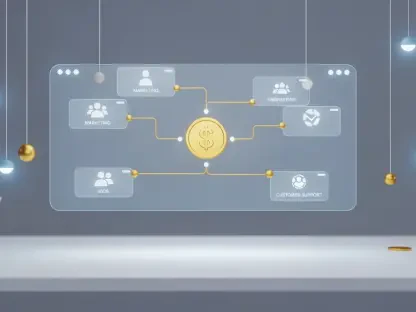
A noticeable surge in mergers and acquisitions is reshaping the retail tech sector, with both deal volume and value climbing steadily. This activity is a direct response to intense market pressures. Retailers, overwhelmed by a patchwork of disparate software, are demanding all-in-one platforms that simplify their tech stacks. Simultaneously, investors are shifting their focus from a growth-at-all-costs mindset to a model that prioritizes clear paths to profitability, making the economies of scale offered by consolidation highly attractive.
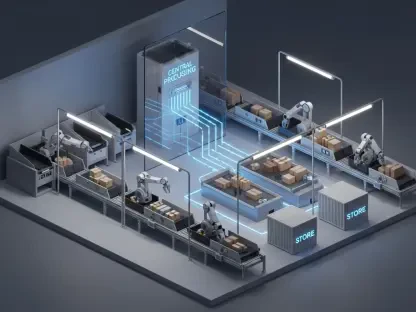
This pressure has accelerated the evolution of the industry itself. The era of niche, single-solution providers is giving way to an age dominated by integrated, multi-functional platforms. Companies that once specialized solely in loyalty programs, payment processing, or inventory management are now being absorbed into larger ecosystems. This convergence allows for the creation of more powerful, data-rich solutions that offer retailers a holistic view of their operations and customer interactions, a capability that is becoming essential for survival and growth.
Case Study: Shopley Inc.’s Consolidation Playbook
Shopley Inc. offers a compelling blueprint for this trend, marked by its recent appointment of Steve Levely as CEO to spearhead a new growth phase centered on acquisitions. This strategic pivot is not a speculative move but a calculated play designed to replicate a proven model of success. The company intends to leverage its robust, AI-powered commerce platform and strong cash-generating operations to acquire and enhance companies in the Point-of-Sale, Payments, and Clienteling spaces.
This strategy is directly inspired by Levely’s previous tenure at Ackroo, where he masterfully executed a similar consolidation plan. There, he acquired and integrated a dozen smaller firms in the gift card, loyalty, and payment sectors, weaving them into a single, cohesive, and highly successful entity. Shopley aims to apply this disciplined, execution-focused approach to consolidate, simplify, and ultimately improve a fragmented segment of the retail market, creating a more powerful and unified offering for its clients.
Expert Perspectives: The Vision Behind the Strategy
The deliberate nature of this strategic shift is underscored by the company’s leadership. Omar Sahyoun, Shopley’s founder who has transitioned to Chairman, emphasized that Levely’s proven expertise in scaling businesses through consolidation is precisely what the company needs for its next chapter. His confidence reflects a broader market sentiment that leadership with M&A experience is now a critical asset for technology companies aiming to achieve significant scale and market penetration.
This view is mirrored by Steve Levely himself, who reinforced the trend’s significance by noting his deliberate search for a company with a strong technological foundation poised for a consolidation-driven growth plan. He identified Shopley as the ideal vehicle, possessing the core technology and operational support necessary to build something “better, bigger and faster.” These statements together signal a clear and confident intent to use a consolidation model not just for growth, but as a primary tool for industry leadership and innovation.
The Future of the Retail Tech Landscape
The strategic direction taken by companies like Shopley suggests the beginning of a broader wave of M&A activity across the retail technology landscape. As more firms recognize the benefits of scale and integration, the pressure to either acquire or be acquired will likely intensify, leading to a market with fewer, but far more comprehensive, platform providers.
For retailers, this trend offers significant benefits, including simplified vendor management, more deeply integrated data streams, and the ability to deliver more seamless and personalized customer experiences. A unified platform eliminates the data silos and integration headaches that have long plagued the industry. However, this consolidation also presents potential challenges. The complexity of integrating different technologies and company cultures can be a major hurdle. Furthermore, a highly concentrated market could stifle innovation from smaller players and potentially lead to reduced choice and higher prices for retailers in the long run.
Conclusion: The Inevitable Path to a Unified Retail Ecosystem
The retail tech industry has clearly pivoted from fragmentation toward consolidation, a movement propelled by undeniable market needs for simplicity, efficiency, and integrated intelligence. The strategic realignment of Shopley Inc. serves as a powerful indicator of this direction, demonstrating how leading companies are leveraging acquisitions to build more comprehensive and competitive platforms. Ultimately, the ability to strategically acquire and successfully integrate complementary technologies will likely define the next generation of winners and losers in this dynamic space.