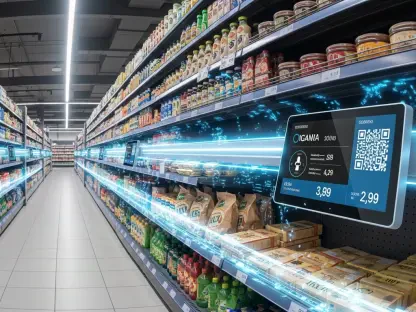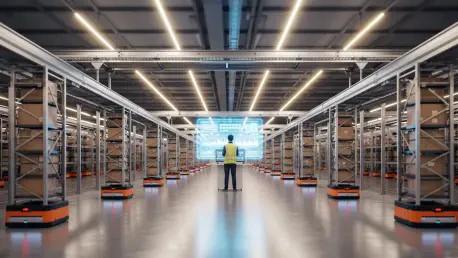

The global movement of physical goods transitioned from a backend operational necessity into a sophisticated technological arms race where milliseconds and micrometers define the difference between market dominance and corporate obsolescence. Traditional brick-and-mortar distribution models have withered in the shadow of high-velocity digital fulfillment centers designed for maximum throughput and accuracy. The modern consumer habit of demanding immediate gratification reshaped global infrastructure, forcing warehouses to move closer to urban cores to minimize transit times. Major market players now integrate robotics and artificial intelligence into daily operations to manage the sheer volume of transactions that define the digital age. However, this acceleration happens within a complex web of regulatory oversight, where cross-border trade agreements and strict data privacy laws dictate how information flows alongside physical parcels.
Mapping the Modern Digital Logistics Landscape
The digital logistics landscape is characterized by a radical departure from the static storage models of the previous century toward dynamic, data-driven flow systems. High-velocity fulfillment centers now serve as the nervous system of global commerce, processing millions of individual stock-keeping units with surgical precision. This shift was fueled by a permanent change in consumer expectations, where the desire for instantaneous delivery forced retailers to abandon regional hubs in favor of localized micro-fulfillment.
Technological integration has moved beyond simple automation, as robots and humans now work in synchronized environments to handle the complexities of the modern order. Artificial intelligence serves as the brain of these operations, optimizing picking paths and managing inventory levels in real time to prevent bottlenecks. Meanwhile, the regulatory environment governing this landscape has tightened, focusing on the security of cross-border trade and the protection of the vast amounts of consumer data generated during every transaction.
Emerging Trends and Quantitative Growth Projections
Technological Integration and Shifting Consumer Expectations
Warehousing has moved beyond the person-to-goods era, where workers spent hours walking aisles, toward automated goods-to-person systems that bring inventory directly to a stationary picker. This transition has democratized high-end logistics, as third-party providers now offer small businesses the same technological advantages once reserved for industry titans. This leveling of the playing field allows niche retailers to compete on speed and reliability without owning their own massive infrastructure.
Moreover, the rise of the Green Factor reflects a significant shift in consumer loyalty and operational strategy. Modern shoppers increasingly prioritize brands that employ eco-friendly delivery solutions, such as electric fleets and recyclable packaging. Consequently, companies are adopting sustainable practices not just as a matter of ethics, but as a core component of their competitive identity in a market that rewards environmental responsibility.
Market Forecasts and Data-Driven Performance Indicators
The global autonomous mobile robot market is projected to experience exponential growth from 2026 through 2030 as costs for sensor technology and machine learning processing continue to plummet. Statistical analysis of last-mile delivery indicates that while it remains the most expensive link in the supply chain, route optimization software has successfully reduced fuel consumption by nearly twenty percent in major metropolitan areas. These efficiencies are critical for maintaining margins in an era of rising labor and energy costs.
Forward-looking perspectives suggest that the expansion of 24-hour and same-day delivery networks will soon become the baseline expectation for all retail transactions. Data suggests that companies failing to provide these rapid turnaround times see a significant drop in customer retention rates. As the logistics network becomes more dense, the economic impact of route optimization will grow, making the difference between a profitable delivery and a loss-leading one even more pronounced.
Strategic Solutions to Modern Logistics Hurdles
Addressing the notorious last-mile bottleneck required a departure from traditional van deliveries toward autonomous sidewalk bots and specialized aerial drones. These autonomous units bypass ground-level traffic congestion, offering a viable solution to the rising operational costs associated with urban density and fuel volatility. By deploying these technologies for small, high-frequency deliveries, firms can reserve their larger vehicle fleets for bulk shipments, maximizing the efficiency of every asset in the network.
To overcome persistent labor shortages, forward-thinking firms are reallocating human talent from repetitive physical tasks to high-level strategic oversight and system maintenance. Real-time IoT sensors provide end-to-end visibility, allowing managers to mitigate supply chain disruptions by identifying delays before they cascade into larger systemic failures. This strategy of balancing rapid delivery speeds with rising costs hinges on the ability to use data to make split-second adjustments to routing and inventory placement.
Navigating the Regulatory and Compliance Environment
International trade laws and customs modernization efforts have struggled to keep pace with the velocity of e-commerce, yet they remain vital for ensuring fair competition and safety. Data security standards are particularly critical within the IoT ecosystem, where every connected sensor represents a potential vulnerability for sensitive consumer information. Retailers must navigate a fragmented landscape of local and international regulations to ensure that their digital footprint remains secure while their physical goods move across borders.
Compliance with evolving environmental regulations regarding carbon emissions and packaging waste transitioned from a voluntary choice to a legal mandate in many jurisdictions. Furthermore, ensuring product integrity in pharmaceutical and perishable goods sectors requires strict adherence to cold-chain regulations that monitor temperature fluctuations in real time. These regulatory hurdles require a high degree of transparency and reporting accuracy, which can only be achieved through integrated digital tracking systems.
The Next Frontier: Anticipatory Logistics and Market Disruptors
The evolution of Smart Guesses represents the pinnacle of modern supply chain strategy, where AI systems ship products toward regional hubs even before a consumer clicks the purchase button. This anticipatory model relies on deep data sets to predict demand patterns with incredible accuracy, effectively shortening the delivery window to minutes rather than days. This level of agility is supported by the widespread rollout of 5G and edge computing, which allows for instantaneous communication between warehouse robots and delivery fleets.
Potential disruptors like decentralized manufacturing and 3D printing could eventually shorten the supply chain further by allowing products to be created at the point of consumption. While these technologies are still maturing, they offer a glimpse into a future where the traditional long-haul shipping model is replaced by localized production. Ultimately, the future of human-robot collaboration aims to create a frictionless global marketplace where the distance between consumer demand and physical delivery effectively disappears.
Synthesis of Industry Transformation and Strategic Outlook
The transition toward invisible logistics effectively transformed the supply chain into a seamless utility that operated largely behind the scenes of the consumer experience. Technological optimization provided long-term economic benefits by lowering the barrier to entry for small retailers and reducing overall costs for the average buyer. Strategic investments in automation and predictive analytics proved essential for maintaining a competitive edge in an increasingly volatile global market.
The move toward more resilient and responsive ecosystems indicated that sustainability and rapid fulfillment were no longer mutually exclusive goals but rather two sides of the same operational coin. Future considerations demanded a continued focus on the integration of human intelligence with machine speed to navigate the complexities of global trade. Ultimately, the successful organizations were those that treated their supply chain not as a cost center, but as a primary driver of customer satisfaction and brand loyalty.