
The lightning-fast evolution of Unified Payments Interface (UPI) technology has fundamentally altered the financial landscape of India, turning the average smartphone into a powerful digital wallet for millions of users. However, stepping into a bustling bazaar in a semi-urban town reveals a persistent reality where paper currency remains the primary facilitator of trade and trust. This lingering dependency on physical bills often leaves consumers in a difficult position when they have a digital balance but no immediate access to an ATM. PayNearby is bridging this specific gap by introducing its “UPI Cashpoint” service, a solution that turns local retail shops into accessible cash hubs.
This initiative addresses a critical friction point where the digital economy meets the traditional cash-heavy marketplace. While urban centers are saturated with banking kiosks, rural and semi-urban regions frequently suffer from “banking deserts” where the nearest cash machine might be several miles away or perpetually out of service. By enabling cardless withdrawals through a simple QR code scan, the platform ensures that liquidity is never more than a few steps away. This move effectively decentralizes banking infrastructure, moving it from cold, distant metal boxes into the hands of familiar neighborhood shopkeepers.
The Surprising Reality: Cash in a Digital-First Economy
Even as digital transaction volumes hit record highs, the demand for physical currency in regional markets has not dissipated; instead, it has evolved into a hybrid requirement. Many small-scale vendors and service providers still prefer the immediacy of cash for their daily settlements and inventory purchases. This creates a cyclical demand where consumers need to flip their digital credits into tangible bills to participate in the local micro-economy. The new service acknowledges this cultural nuance, providing a safety net for those who have embraced digital tools but still operate within a cash-reliant ecosystem.
Moreover, the psychological comfort of having physical money cannot be overlooked in regions where digital literacy is still a work in progress. For many, the ability to withdraw cash at a local grocer provides a sense of financial security and autonomy that a purely digital screen cannot offer. This hybrid approach acts as a transitional bridge, allowing the population to benefit from the efficiency of UPI while maintaining the flexibility of cash. It transforms the local shop into a pillar of modern financial stability, ensuring that no one is left stranded by a lack of physical tender.
Solving the Crisis: Last-Mile Connectivity in Rural Bharat
In the remote stretches of the country, the journey to a formal bank branch often involves significant time and travel expenses, which can be prohibitive for daily wage earners. These logistical hurdles do more than cause inconvenience; they stifle local commerce by limiting the amount of money circulating within the community. By leveraging an existing network of neighborhood retail stores—entities that are already deeply embedded in the social and economic fabric—the initiative eliminates the need for expensive, standalone banking hardware. Every kirana store becomes a potential point of service, drastically reducing the “distance to money.”
The integration of financial services into these existing commercial hubs also helps in overcoming the trust deficit that sometimes plagues formal banking in rural areas. Customers are generally more comfortable transacting with a person they know and see every day rather than navigating a complex machine in an isolated booth. This human-centric approach to fintech ensures that the benefits of the digital revolution reach the most marginalized segments of society. Consequently, the local retailer evolves from a simple merchant into a vital financial intermediary, strengthening the resilience of the local economy.
The Infrastructure: Mechanics and Reach of the Network
The technical backbone of this service is supported by a strategic partnership with IndusInd Bank, which provides the secure environment necessary for processing real-time cash-out requests. Unlike traditional methods that require a physical debit card or the often-finicky Aadhaar biometric authentication, this system utilizes the familiar and reliable UPI QR code. To maintain a secure and sustainable ecosystem, the service operates under a clear set of transaction ceilings. These include a per-transaction limit of Rs 5,000, a daily cap of Rs 10,000, and a monthly maximum of Rs 50,000, ensuring the system remains accessible for everyday needs while preventing misuse.
Because the system is designed to be lean, it requires no additional hardware or expensive maintenance from the shopkeeper’s perspective. This ease of implementation has allowed the service to scale rapidly across more than 20,000 PIN codes, covering a vast geographical expanse. The use of the IndusInd Bank backend ensures that settlements between the merchant and the platform are near-instantaneous, which is crucial for small business owners who need to manage their liquidity effectively. This robust framework proves that sophisticated financial technology can be deployed without the need for heavy, traditional infrastructure.
Expert Perspectives: Evolution of Digital Infrastructure
Anand Kumar Bajaj, the Founder, MD & CEO of PayNearby, views this launch as a pivotal step in the “assisted service model” of finance. He argues that in many parts of the country, digital adoption is not merely about having an app; it is about the handholding provided by a trusted local figure. By using UPI as a foundational layer for cash access, the company is tailoring high-tech tools to fit the practical, ground-level realities of the Indian consumer. Bajaj highlights that this synergy between digital speed and physical presence is the key to achieving true financial inclusion.
This model also creates a symbiotic relationship that benefits the retailers as much as the customers. Shopkeepers who offer cash withdrawal services typically see an increase in foot traffic, as people who come in for cash often end up purchasing household goods or groceries. Furthermore, the transaction-led income provides an additional revenue stream for these small businesses, helping them stay competitive in an increasingly digital world. Industry analysts suggest that this shift toward “merchant-as-a-bank” is likely to define the next phase of fintech growth, where services are woven into the existing threads of daily life.
The User Experience: Withdrawing Cash at Local Stores
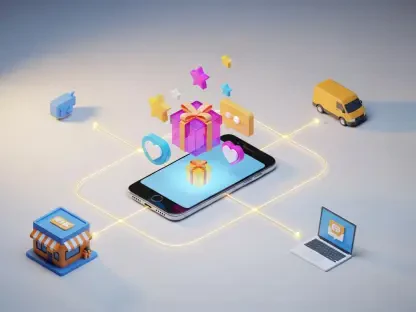
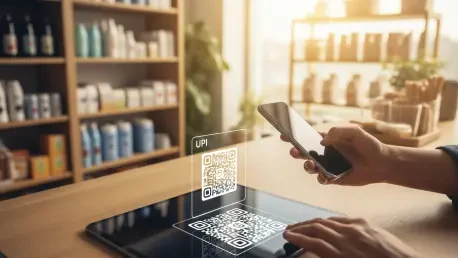
For the end user, the process of getting cash is as straightforward as buying a liter of milk or a bag of rice. A customer simply visits a participating store and specifies the amount they wish to withdraw. The merchant then generates or displays a dynamic UPI QR code on their device. Using any standard UPI application, such as PayNearby Saathi or other popular third-party apps, the customer scans the code, enters the amount, and authorizes the transaction with their secure PIN. Once the digital confirmation appears on the merchant’s screen, the physical bills are handed over immediately.
This streamlined workflow removes the anxiety of card skimming or forgotten passwords associated with traditional ATMs. It also eliminates the frustration of “link failures” that often plague biometric systems in areas with inconsistent connectivity. Because the transaction happens through the user’s own smartphone, they remain in control of the security process at all times. This simplicity is intentional, designed to empower users who may be intimidated by complex banking procedures. By making cash access as simple as a scan, the service successfully marries the speed of the digital age with the reliability of the physical world.
The implementation of UPI-based cash withdrawals signaled a major shift in how regional populations interacted with their personal finances. By prioritizing accessibility over traditional banking gatekeepers, the initiative helped stabilize local markets and reduced the time spent on basic financial chores. Future developments were expected to focus on expanding these assisted models to include micro-insurance and credit facilities, further cementing the role of the neighborhood retailer as a comprehensive financial hub. These steps ultimately ensured that the benefits of the digital payment revolution were shared equitably across all layers of society, regardless of geographical location.