
Imagine a retail landscape where the busiest shopping season of the year stretches beyond a single weekend, where data flows at unprecedented speeds, and where seamless technology becomes the unsung hero behind every sale. This is the reality of the Black Friday Cyber Monday (BFCM) period as revealed by Patchworks, a leading integration Platform as a Service (iPaaS) provider. The company has reported a staggering 320% surge in platform activity during this peak trading season compared to the prior year, signaling not just growth but a fundamental shift in how retail operates. This spike reflects broader trends—early shopping, omnichannel consumer behavior, and increasing operational complexity. Beyond the numbers lies a story of innovation and resilience, as Patchworks’ infrastructure handled this deluge without a hitch. Let’s dive into what fueled this remarkable growth, how consumer habits are evolving, and why robust integration is now a cornerstone of retail success.
Explosive Growth and Retail Milestones
The numbers coming out of Patchworks’ BFCM performance are nothing short of jaw-dropping, painting a vivid picture of a retail sector in hyperdrive. Platform activity skyrocketed by over 320% year-on-year, with Black Friday alone witnessing a 300% increase and Cyber Monday mirroring that growth. Even more telling is the 130% rise across the entire month of November, with the first week seeing a 200% spike. These figures aren’t just stats—they’re evidence of a longer, more intense peak season driven by an expanding base of enterprise and blue-chip retailers. Many of Patchworks’ existing customers reported individual growth rates between 10% and 30%, while a thriving partner ecosystem amplified the platform’s reach. This surge underscores how retail isn’t just about a single day of deals anymore; it’s a sprawling event that demands scalable solutions. The ability to manage such exponential increases in data traffic highlights the critical role of integration technology in keeping pace with modern commerce demands.
Moreover, this growth isn’t merely a fluke but a reflection of deeper industry shifts. The earlier start to holiday shopping, combined with a broader customer base, has redefined what peak season means for retailers. Patchworks’ ability to support this extended trading period speaks to its robust infrastructure, designed to handle sudden spikes without faltering. What’s striking is how these metrics reveal a retail environment where preparation must begin months in advance, as November’s first week has become almost as critical as the main event days. For enterprise brands, this means rethinking traditional timelines and leaning on platforms that can adapt dynamically. The ripple effect of this growth touches everything from inventory planning to customer experience, proving that behind every successful sale is a complex web of synchronized systems. As retail continues to evolve, such performance benchmarks set a new standard for what technology must deliver during high-stakes periods.
Shifting Consumer Habits and Omnichannel Demands
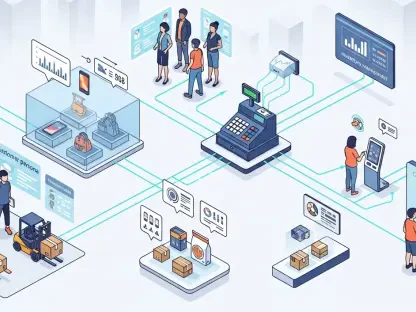
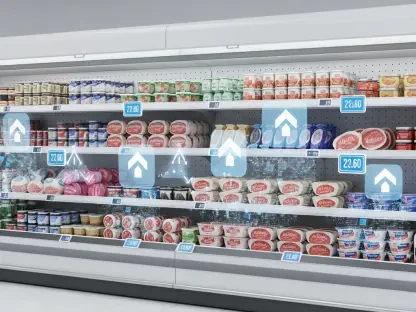
As shopping behaviors transform, retailers are navigating a landscape where consumers no longer wait for the last Friday of November to snag deals. This year’s BFCM period showed shoppers starting earlier than ever, spreading their purchases across weeks and engaging through a myriad of channels. This omnichannel trend fueled surges in inventory lookups, price comparisons, stock reservations, and order placements as customers flitted between brand websites, marketplaces, social commerce platforms, and subscription models. The result? A dramatic uptick in operational complexity for retailers who must juggle multiple fulfillment partners and regional hubs while making real-time routing decisions. Patchworks’ platform absorbed this increased activity, managing data events across enterprise resource planning (ERP), warehouse management systems (WMS), and point-of-sale (POS) solutions. This shift illustrates how consumer expectations are reshaping retail at its core.
Beyond the early shopping trend, the rise of diverse sales channels has added layers of intricacy to retail operations. Marketplace activity and social commerce integrations are growing at a breakneck pace, reflecting how consumers crave seamless experiences no matter where they shop. However, this also exposes gaps in automation, as some retailers still rely on outdated methods to manage these interactions. The need to synchronize systems like order management (OMS) and eCommerce platforms has never been more urgent, especially when in-store trading remains vital for stock accuracy via POS-to-ERP connections. Patchworks’ ability to streamline these processes offers a glimpse into what modern retail demands: agility and precision. As consumers continue to blur the lines between physical and digital shopping, retailers must adapt by investing in technology that can keep up with these fluid, multifaceted journeys, ensuring no sale slips through the cracks.
Operational Resilience Under Pressure
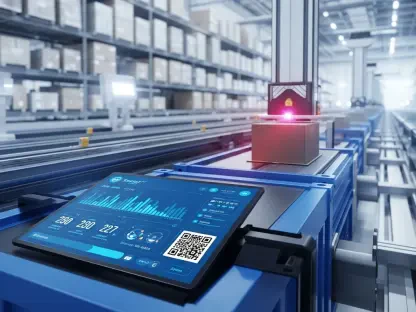
Amid the chaos of BFCM’s surging demand, maintaining stability is no small feat, yet Patchworks delivered with unwavering reliability. The platform reported zero downtime throughout November, a testament to its autoscaling infrastructure that effortlessly absorbed traffic spikes. Optimized connectors ensured consistent data throughput, while real-time monitoring provided constant visibility into operations. Even when upstream systems slowed, Patchworks’ orchestration layer kicked in, resuming processing without disrupting retailer workflows. This kind of resilience is what keeps the retail ecosystem humming during peak pressure, often unnoticed until something goes wrong. CEO Jim Herbert aptly noted that robust operations are the silent backbone of retail success, especially as enterprise brands and a growing U.S. presence add layers of complexity to the landscape. Such performance sets a high bar for what integration platforms must achieve.
Furthermore, this operational strength isn’t just about avoiding breakdowns—it’s about empowering retailers to focus on growth rather than firefighting issues. The strain on key flows like ERP-to-eCommerce and WMS-to-OMS connections was immense during BFCM, yet Patchworks managed these seamlessly. Even persistent market inefficiencies, such as reliance on legacy batch processing or manual data exchanges, didn’t derail its performance. With a 98% service level agreement (SLA) and 100% customer satisfaction (CSAT) during peak times, the platform proved its mettle. This reliability is crucial as retail continues to grapple with evolving challenges, from dynamic fulfillment needs to integrating emerging channels. Retailers leaning on outdated systems were reminded of the urgent need for modernization, while Patchworks’ success offered a blueprint for navigating high-stakes periods with confidence and precision, ensuring every transaction flowed smoothly.
Future Pathways for Retail Integration
Looking back, the BFCM period served as a defining moment for Patchworks, showcasing how integration technology can turn overwhelming growth into opportunity. The platform’s 320% activity surge was underpinned by early consumer shopping trends and a relentless push toward omnichannel strategies, all while maintaining flawless stability. However, the journey doesn’t end here. Retailers must take note of lingering challenges, like manual processes that slow down efficiency, and prioritize modernization to stay competitive. Investing in scalable iPaaS solutions should be the next step, enabling businesses to handle extended peak seasons without strain. As consumer behaviors continue to shift, the industry must also anticipate even longer trading periods and more intricate data demands over the coming years.
Additionally, the broader implication of Patchworks’ performance is a call to action for retail leaders to rethink operational foundations. Beyond just adopting technology, there’s a need to foster partnerships and ecosystems that amplify reach and resilience. Addressing gaps in automation, especially in fast-growing areas like social commerce, will be critical to meeting future demands. Retailers should also leverage real-time insights to refine inventory and fulfillment strategies, ensuring they’re not caught off-guard by early spikes. The road ahead involves balancing innovation with practicality, using platforms like Patchworks as a springboard to navigate complexity. Reflecting on this peak season, it’s clear that integration isn’t just a tool—it’s a strategic imperative that will shape retail’s ability to thrive in an ever-changing landscape, setting the stage for bolder moves in the seasons to come.