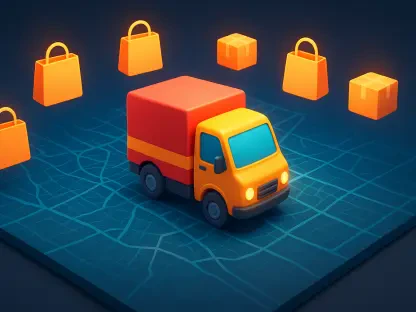

The global logistics industry is currently witnessing a massive transformation as major carriers move from traditional long-distance shipping models toward hyper-local, high-speed fulfillment solutions that cater to an increasingly impatient consumer base. FedEx SameDay Local emerges as a pivotal response to this shift, promising two-hour delivery windows that bridge the gap between digital storefronts and physical doorsteps. This analysis explores how the integration of artificial intelligence and local delivery networks enables a scalable model for rapid fulfillment, ultimately reshaping how retail businesses approach inventory and customer satisfaction in a saturated market.
Revolutionizing the Last Mile: An Overview of FedEx SameDay Local
Retailers today face a landscape where the speed of fulfillment has become the primary differentiator for brand loyalty and market share retention. By launching SameDay Local, FedEx is not just adding a faster shipping tier; it is creating a sophisticated ecosystem that allows brick-and-mortar stores to function as micro-fulfillment centers. This strategy aims to provide a standardized solution for businesses of all sizes, ensuring they can meet the rising bar for speed without investing in their own independent delivery fleets or complex logistical software.
The Evolution of Delivery: From Long-Haul Logistics to Local Fulfillment
Historically, the logistics sector focused on optimizing the “hub-and-spoke” system, which excelled at moving large volumes of goods across vast distances over several days. However, the modern marketplace has decentralized this demand, shifting the focus from global transit to the intricacies of the final mile. This transition marks a fundamental change in the logistics philosophy, where success is measured by the ability to navigate urban traffic and immediate local demand rather than long-haul efficiency. Understanding this movement toward localization is essential for interpreting why traditional shipping giants are now investing heavily in short-range delivery infrastructure.
Meeting the Modern Consumer’s Demand for Immediacy
Statistical data indicates that consumer expectations have reached a point where nearly every shopper associates “fast” with immediate, same-day results. Specifically, a significant portion of buyers now expects a same-day option at checkout and is far more likely to abandon a cart if such convenience is absent. This behavioral trend suggests that the competitive edge no longer lies solely in product quality or pricing but in the reliability and precision of the delivery window provided to the end user.
Intelligent Orchestration: The Role of AI and OneRail Integration
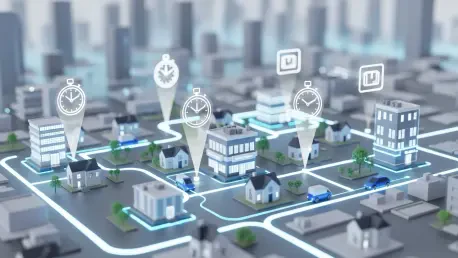
To manage the chaotic variables of city delivery, the deployment of intelligent orchestration has become a technological necessity. By collaborating with specialized delivery platforms like OneRail, FedEx utilizes advanced algorithms to assign orders to the most efficient routes and vehicles in real-time. This AI-driven approach mitigates the traditional risks of urban congestion and high operational costs, allowing for a consistent two-hour service that would be impossible under manual dispatching methods.
Operational Flexibility and the Visibility Advantage
Beyond sheer speed, the platform offers a layer of transparency that has historically been missing from local courier services. Real-time tracking and digital proofs of delivery provide both the retailer and the customer with predictive insights, reducing the uncertainty often associated with high-speed shipments. Moreover, the capacity to handle specialized or oversized items ensures that the service is versatile enough to support diverse industries, expanding the reach of local fulfillment beyond simple consumer goods.
The Future of Urban Logistics: Emerging Trends and Predictions
As urban density continues to increase, the reliance on traditional delivery vans will likely give way to a hybrid model involving smaller transport methods. Autonomous sidewalk robots and drone-assisted drops are expected to augment human drivers in the coming years, further reducing the time required for the final delivery leg. The environmental impact of these local hubs will also come under scrutiny, driving a push toward electric vehicle fleets and optimized routing to minimize the carbon footprint of the rapid fulfillment cycle.
Strategic Recommendations for Retailers and Industry Stakeholders
For businesses aiming to stay competitive, the priority should be the technical integration of high-speed delivery APIs into their digital storefronts. Utilizing real-time data from these delivery services can help retailers identify geographic hotspots where demand is highest, allowing them to adjust local inventory levels accordingly. Professionals should treat the two-hour delivery window as a core component of their customer retention strategy, as meeting this standard consistently builds a level of trust that traditional shipping cannot replicate.
Conclusion: Setting a New Standard for the Retail Lifecycle
FedEx SameDay Local established a new benchmark for how national carriers interacted with local retail environments. The integration of artificial intelligence and third-party delivery networks provided a functional blueprint for solving the high-cost challenges of the last mile. This initiative signaled a broader shift in the retail lifecycle where immediacy and transparency became the standard requirements for survival in a competitive economy. The successful implementation of these systems suggested that the future of logistics belonged to those capable of mastering hyper-local precision while maintaining global reliability.