
Our retail expert, Zainab Hussain, is an e-commerce strategist with deep experience in customer engagement and operations management. In this discussion, we explore the digital transformation of ER2, an IT asset management leader that successfully unified eight disparate facilities into a single operational powerhouse. Zainab details how moving away from fragmented systems allowed for a 75% increase in picking speed, significant reductions in shipping costs through intelligent routing, and a more sustainable approach to electronic hardware reuse.
Transitioning from several disconnected platforms to a unified system across eight facilities is a massive undertaking. What specific operational blind spots did you encounter with fragmented systems, and how has a single-platform approach improved your visibility across ecommerce, B2B, and 3PL channels?
When you are juggling three separate platforms across eight different locations, the biggest blind spot is always the truth regarding your inventory levels. Before unifying, we faced constant fulfillment delays and manual errors because one system didn’t know what the other was doing, creating a fog over our ecommerce and 3PL channels. By moving to a single-platform approach, we gained a “single source of truth” that provides consistent accuracy and control over every asset in our network. This visibility means we no longer guess if a refurbished unit is available in Arizona or another site; we see it in real-time, which has directly translated into enhanced customer service and significant cost-savings.
Cross-shipping errors and manual picking mistakes often lead to costly returns and wasted transportation. How did implementing bin-controlled inventory and barcode validation change the daily workflow for your warehouse teams, and how does this accuracy specifically support your long-term sustainability and equipment reuse goals?
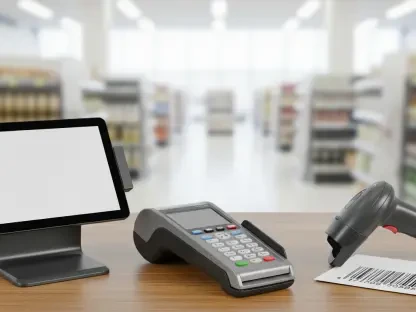
The shift to bin-controlled inventory and barcode validation completely transformed the energy on the warehouse floor from chaotic to surgical. Previously, manual picking led to monthly cross-shipments where the wrong item reached the wrong customer, but now, the system prevents a picker from moving forward unless the barcode matches the order. This precision is vital for our sustainability mission because every avoided error represents one less unnecessary return and less transportation-related waste. By getting it right the first time, we ensure that refurbished IT equipment is redeployed into productive use faster, keeping technology in the hands of users rather than in the back of a delivery truck.
Improving picking speed by 75% requires more than just new software. Can you walk us through how guided workflows and structured pick paths reduce redundant travel for staff, and what specific training steps were necessary to help your team hit these new efficiency benchmarks?
A 75% improvement in picking speed is a staggering number that comes down to eliminating the “aimless walk” often found in large facilities. We implemented structured pick paths that guide staff through the warehouse in the most logical sequence, ensuring they never double back or wander through aisles unnecessarily. Training the team involved moving away from memory-based picking to a technology-led workflow where the device dictates the most efficient route. This shift allowed our warehouse teams to process more refurbished equipment in a single shift, significantly accelerating our ability to fulfill orders without increasing the physical strain on our employees.
Intelligent routing has decreased shipping costs for 40% of orders by fulfilling from the closest warehouse. How do you balance inventory levels across eight different locations to ensure this logic stays effective, and how has this shift impacted your ability to beat standard marketplace delivery estimates?
The magic of intelligent routing lies in its ability to automatically select the warehouse closest to the customer, which has already lowered costs for about 40% of our total order volume. To keep this effective, we use our centralized hub to monitor regional demand and ensure that our eight facilities are stocked with the right mix of IT assets. This strategy has cut our delivery times down to just one or two days, which frequently beats the standard estimates provided by major marketplaces. It is a win-win scenario where we reduce shipping distances and emissions while simultaneously delighting the customer with an early arrival.
With hundreds of potential integrations spanning marketplaces like TikTok and Amazon, how do you choose which new channels to prioritize? How does having a centralized hub for orders and purchasing allow you to scale into these new markets without overwhelming your existing fulfillment infrastructure?
We prioritize new channels based on where our customers are migrating, leveraging a system that offers over 350 integrations including TikTok, Walmart, and Shopify. Having a centralized hub means that adding a new marketplace doesn’t mean adding a new set of headaches; the orders simply flow into the same fulfillment queue our team already manages. This allows us to scale into emerging markets rapidly because our purchasing and inventory management are already synchronized across all eight locations. We can expand our digital footprint without needing to reinvent our logistics wheels every time we join a new platform.
What is your forecast for the future of IT asset management fulfillment?
The future of this industry lies in the intersection of extreme logistics efficiency and environmental stewardship. I expect to see more companies moving away from localized “islands of data” toward hyper-connected ecosystems where every piece of refurbished hardware is tracked with 100% transparency from intake to its new home. We will see intelligent routing become the baseline, not the exception, as customers demand both one-day shipping and a lower carbon footprint. Ultimately, the winners in the ITAD space will be those who can prove that their fulfillment process is just as sustainable as the recycled equipment they sell.