
The final click on the ‘buy now’ button represents the culmination of a successful marketing journey, yet for many global e-commerce brands, this is precisely where the customer relationship begins to fray, undone by the friction of cross-border commerce. An online shopping cart, filled with promise, can become a digital ghost town in an instant, abandoned by a consumer who has just been blindsided by unexpected shipping costs, duties, and taxes. This moment of hesitation, born from a lack of transparency, is a multi-billion-dollar problem for the e-commerce industry.
This widespread issue forces a critical question upon sellers looking to expand their international footprint: is it possible to transform the logistical challenges of global shipping into a strategic advantage? The answer may lie not in marketing budgets or product discounts, but in the often-overlooked details of the delivery process itself. By re-examining how goods are moved, priced, and presented to the end customer, businesses have an opportunity to fundamentally reshape the international purchasing experience and, in turn, reclaim lost revenue.
The Hidden Cost of Global Sales Why Checkout Friction Matters
The global e-commerce market is an arena of immense opportunity, but it is also fraught with hidden obstacles that can derail even the most promising transactions. Chief among these is checkout friction, a phenomenon largely driven by the financial and procedural surprises that await international customers. When a buyer proceeds to payment, they expect clarity. Instead, they are often confronted with vague warnings about potential import fees or, worse, no warning at all, only to receive a surprise bill from a customs agency weeks later.
This lack of predictability is a significant driver of cart abandonment. The modern consumer, accustomed to the seamlessness of domestic online shopping, has little patience for ambiguity. The moment trust is broken by an unforeseen cost, the sale is jeopardized. This challenge frames the central dilemma for global sellers: how can one offer a localized, frictionless buying experience while navigating the complexities of international trade regulations? The answer increasingly points toward a logistics strategy that places the customer’s experience at its core.
Demystifying DDP What is Delivered Duty Paid
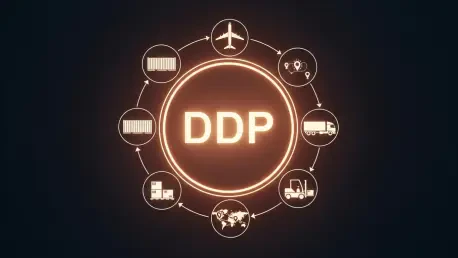
Delivered Duty Paid, or DDP, is a shipping arrangement defined within the International Commercial Terms (Incoterms) framework where the seller assumes all responsibilities, risks, and costs associated with transporting goods until the buyer receives them at the destination. In an e-commerce context, this means the seller handles everything: international freight, customs clearance in both the exporting and importing countries, and, most importantly, the payment of all applicable duties and taxes. The price the customer sees at checkout is the final price they will ever pay.
This model stands in stark contrast to more traditional shipping methods like Delivered at Place (DAP). Under a DAP arrangement, the seller is responsible for delivery to a named destination, but the buyer is responsible for import clearance and the payment of any duties and taxes. For the e-commerce customer, this translates into an unpredictable final cost and the potential hassle of dealing with customs officials. DDP is designed specifically to eliminate this negative experience, shifting the logistical burden entirely from the consumer to the seller and their logistics partner.
The DDP Advantage Key Features for E-commerce Growth
For an e-commerce brand, adopting a DDP strategy with a partner like DDPFORWORLD is not merely a logistical decision; it is a powerful commercial tool. By integrating all shipping and customs costs into a single, upfront price, this approach directly addresses the primary cause of checkout friction. The result is a smoother, more transparent customer journey that has been shown to increase checkout conversion rates by an estimated 15-30%, especially for high-value items where duties can be substantial.
This shift effectively transforms logistics from a necessary cost center into a proactive revenue driver. When customers feel confident that the price they see is the price they will pay, their propensity to complete the purchase increases significantly. A seamless, predictable post-purchase experience fosters trust and encourages repeat business, turning a one-time international buyer into a loyal customer.
Achieving Total Price Transparency
The core strength of a DDP model lies in its ability to deliver total price transparency. By calculating and including all duties, taxes, and fees into the product price at the point of sale, sellers eliminate the risk of post-purchase sticker shock. This preemptive clarity builds immediate consumer trust. Customers are no longer gambling on what the final landed cost of their order will be; they are making an informed decision based on a complete and honest figure. This simple act of transparency directly counters one of the most significant psychological barriers in cross-border e-commerce, reducing cart abandonment and improving the overall shopping experience.
Enhancing the Brand Experience
For businesses that sell brand-centric or high-value items, the delivery process is an extension of the brand promise itself. A luxury handbag, a piece of advanced electronics, or a designer garment deserves a delivery experience that is as seamless and premium as the product. A DDP shipping solution ensures a predictable, professional, and hassle-free journey from warehouse to doorstep. This consistency reinforces the brand’s commitment to quality and customer care, fostering a deeper sense of loyalty and satisfaction that goes far beyond the transaction itself.
Empowering Sellers with a Smart DDP Calculator
To execute a DDP strategy effectively, sellers need access to precise and immediate cost data. DDPFORWORLD addresses this need with a proprietary tool, the Smart DDP Calculator, which provides real-time, accurate estimates of the total landed cost for shipments. This technology empowers sellers to price their products with confidence, ensuring they can offer an all-inclusive price to customers without eroding their profit margins. By removing the guesswork from international cost calculations, this tool provides the financial clarity necessary for businesses to scale their global operations sustainably.
Beyond a One Size Fits All Approach
While the benefits of DDP are clear, a sophisticated logistics strategy recognizes that it is not the universal solution for every product or every market. Acknowledging this reality, DDPFORWORLD operates on a consultative model, positioning itself as a strategic partner rather than a mere logistics vendor. This approach involves a deep analysis of a client’s business model, product margins, and target markets to determine the most effective shipping strategy.
In situations where DDP may not be the optimal choice—for instance, with low-margin products where absorbing duties is not financially viable, or for companies just beginning to test a new international market—the company provides expert guidance on alternatives. This can include advising on the strategic use of Incoterms like DAP, ensuring that the chosen logistics framework aligns perfectly with the client’s commercial objectives and risk tolerance.
Identifying the Prime Candidates for DDP Success
Experience in the market has revealed that certain product categories are exceptionally well-suited for a DDP shipping strategy. These are sectors where the benefits of a seamless customer experience and price transparency provide a distinct competitive advantage. By identifying these prime candidates, businesses can more effectively deploy DDP to maximize its impact on conversion rates and brand loyalty.
High-value goods, such as electronics, benefit immensely from DDP because the associated duties and taxes can be significant, making price certainty a major factor in the customer’s purchase decision. Similarly, brand-focused products, including apparel and certain home goods, thrive on the premium experience that a hassle-free DDP delivery provides. Finally, items with stable and predictable tariff classifications allow for more consistent and reliable landed cost calculations, making them ideal for this shipping model.
Reflection and Broader Impacts
The growing adoption of customer-centric logistics models like DDP is fundamentally reshaping the landscape of global e-commerce. What was once considered a purely operational function—getting a product from point A to point B—is now being recognized as a critical component of the customer experience and a key differentiator in a crowded marketplace. This shift is forcing businesses to think beyond shipping costs and consider the strategic value of the delivery process itself.
This evolution is driven by changing consumer expectations. As shoppers become more accustomed to the seamless, all-inclusive pricing of domestic e-commerce giants, they increasingly demand the same level of transparency and convenience from international sellers. Consequently, a brand’s ability to offer a predictable, frictionless cross-border delivery experience is becoming a non-negotiable element of its competitive strategy.
Reflection
The primary strength of the DDP model was its capacity to create a superior, Amazon-like customer experience for international transactions, effectively domesticating the global shopping journey. By removing the complexities and hidden costs of customs, it fostered trust and encouraged conversion. However, its main challenge was that it was not always the most cost-effective solution. For sellers of low-margin goods, absorbing the full cost of duties and taxes was not always feasible, underscoring the need for a tailored, strategic approach to logistics rather than a one-size-fits-all mandate.
Broader Impact
The move toward more transparent and integrated logistics solutions had profound implications for the future of e-commerce. It signaled a market maturation where seamless cross-border fulfillment became a critical competitive differentiator, not just an operational necessity. As technology and logistics networks continue to evolve, the ability to deliver a predictable and positive post-purchase experience will likely become the defining factor between brands that succeed globally and those that remain confined to their domestic markets.
Conclusion Transforming Logistics into a Competitive Edge
Ultimately, the successful implementation of DDP shipping demonstrated that it was far more than a logistical term; it was a powerful business strategy to reduce friction, build consumer trust, and directly increase conversion rates. The companies that embraced this model recognized that the customer journey does not end at the checkout button but extends all the way to the final, satisfactory delivery.
This shift in perspective invited global e-commerce businesses to re-evaluate their international shipping strategies not as a cost to be minimized, but as a crucial investment in their growth engine. By prioritizing a transparent and seamless customer experience, these brands were able to unlock new markets and build lasting relationships, proving that in the world of global commerce, how you deliver is just as important as what you sell.