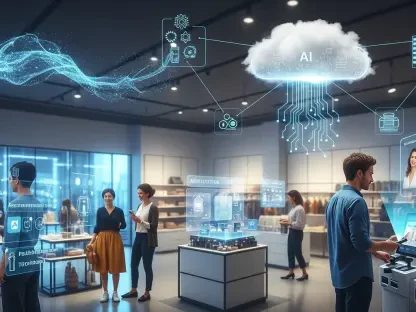

The traditional plastic reward card that once cluttered wallets has officially transformed into a sophisticated digital pulse, capturing every heartbeat of consumer behavior through advanced machine learning algorithms and real-time data processing. Today, the retail sector is witnessing a decisive departure from transactional “earn-and-burn” points toward relational ecosystems that prioritize the individual over the aggregate. This transition is not merely a technical upgrade but a fundamental redefinition of the implicit contract between a brand and its audience. As consumers increasingly view their data as a form of currency, they expect a level of service that justifies the exchange of their privacy.
Static, rules-based systems are rapidly losing their efficacy as shoppers become fatigued by generic discounts that feel more like spam than rewards. Leaders in the beauty and department store sectors, such as Sephora, Ulta Beauty, and Macy’s, have recognized that loyalty is now a dynamic data asset rather than a simple marketing expense. By integrating cross-channel data, these retailers have moved from asking for a sale to orchestrating a relationship. This shift ensures that the rewards provided are not just financial but are deeply integrated into the customer’s lifestyle and personal preferences.
The Evolution of Loyalty Structures and Market Projections
Emerging Trends in Hyper-Personalization and Behavioral Science
The modern loyalty landscape has moved beyond historical purchase data to embrace predictive modeling as a primary driver of engagement. Machine learning tools now analyze thousands of variables to anticipate future consumer needs, allowing brands to intervene with relevant offers before a customer even realizes they require a product. This shift toward anticipation reduces the reliance on universal thresholds, which often eroded margins without fostering genuine brand affinity. By replacing one-size-fits-all rewards with individualized incentives, retailers are successfully protecting their bottom lines while increasing the perceived value for the consumer.
Furthermore, the integration of gamification and exclusive experiences has created a new type of emotional brand moat. Non-monetary rewards, such as early access to limited-edition products or invitations to VIP events, provide a sense of belonging that points cannot replicate. These behavioral science applications tap into the human desire for status and exclusivity, making the loyalty program a core part of the consumer’s identity. As a result, the focus has shifted from the math of the transaction to the psychology of the brand connection.
Market Performance Indicators and Growth Forecasts
Data monetization has emerged as a secondary but powerful revenue stream, particularly through the expansion of Retail Media Networks. By 2027, the value of loyalty data is expected to triple as brands outside the primary retail loop pay for access to high-intent audience segments. This evolution has transformed loyalty departments from cost centers into profit centers, as the information gathered from members fuels targeted advertising and strategic partnerships. Retailers are now reinvesting these profits into their digital infrastructure to further refine their predictive capabilities.
Investment in unified data platforms is projected to grow significantly as businesses seek to eliminate fragmented data silos. The ability to track a customer from an Instagram click to an in-store checkout is no longer a luxury but a requirement for survival. Performance metrics have also shifted; instead of simply measuring the number of sign-ups, executives are now focused on long-term Lifetime Value forecasts. The correlation between personalized engagement and sustained profitability is becoming the primary benchmark for assessing the health of a retail business.
Structural Vulnerabilities and Implementation Hurdles
The fragility of rules-based systems became painfully apparent during the Starbucks rewards overhaul last year, which sparked a significant wave of consumer backlash. When the brand altered its redemption values, customers felt a breach of the implicit contract, leading to a temporary decline in brand sentiment. This event highlighted the danger of transparent, rigid structures where any adjustment is viewed as a loss by the user. In contrast, AI-driven personalization allows for more subtle, fluid adjustments that do not trigger the same level of public resentment.
Technical challenges remain a major hurdle, specifically regarding the integration of legacy systems with modern AI tools. Many retailers still struggle with data silos that prevent a holistic view of the customer across mobile, web, and physical storefronts. Additionally, the risk of algorithmic bias looms large, as automated systems may inadvertently exclude certain demographics or provide unfair advantages. Maintaining fairness while pursuing hyper-personalization requires constant oversight and a commitment to ethical AI practices to ensure market appeal remains broad and inclusive.
Navigating Data Governance and Regulatory Frameworks
Compliance with global privacy standards, including GDPR and the evolving CCPA, has become a central focus for loyalty strategists. As personalization grows more intrusive, the legal boundaries for data usage are becoming more stringent, requiring retailers to be transparent about how they collect and utilize information. Security measures have also been heightened to protect sensitive consumer repositories from cyber threats. A single data breach in a loyalty program can erase decades of trust, making robust encryption and secure data handling non-negotiable assets.
Transparency in data usage is now a competitive advantage rather than just a regulatory necessity. Brands that clearly communicate the value exchange—specifically how data collection leads to better rewards—tend to see higher rates of opt-in participation. Maintaining clean, ethically sourced data sets is essential for satisfying both government oversight and the increasingly privacy-conscious consumer. This approach ensures that the personalization remains a service rather than a surveillance mechanism, fostering a healthier long-term relationship.
The Future Frontier of Retail Loyalty Strategy
Hyper-contextual engagement is set to redefine the shopping journey by utilizing real-time signals like geolocation and trending social cues. Imagine a member receiving a notification for a discount on rain gear the moment they walk near a store during a sudden downpour. This level of instant gratification creates a powerful incentive for customers to keep their location services active. These real-time triggers represent the move toward “invisible” loyalty, where the rewards feel like a natural extension of the shopping experience rather than a separate task to manage.
Generative AI will further personalize this journey through conversational commerce and digital shopping assistants. These tools will offer tailored advice based on a customer’s entire history, acting as a personal stylist or consultant available at any hour. Moreover, as global economic fluctuations impact spending habits, flexible loyalty models that adapt to a user’s changing financial situation will become more prevalent. Programs that can offer value during both inflationary periods and economic booms will be the ones that retain their market share.
Strategic Synthesis and the Path Toward Relationship Quality
The fundamental shift from transactional points to AI-driven personalization represented a total reimagining of the retail landscape. Companies that prioritized the emotional quality of their relationships over the raw quantity of transactions successfully navigated the complexities of a changing market. By moving away from rigid, points-based math, retailers avoided the common pitfalls of consumer resentment and margin erosion. Instead, they built resilient ecosystems that functioned as both a service to the customer and a significant profit center for the business.
Investment strategies in the recent past focused heavily on unifying data architectures and adopting predictive analytics. These initiatives enabled brands to anticipate needs and provide value in real-time, effectively creating a competitive moat that was difficult for discount-focused competitors to breach. As the retail industry moved forward, the integration of generative AI and hyper-contextual signals became the standard for engagement. Ultimately, the transition confirmed that personalization was not a mere trend but a vital necessity for long-term survival in a data-centric economy.