
Modern consumers frequently navigate a landscape where digital convenience often comes at the expense of genuine human connection, yet the physical storefront remains a powerhouse for brand loyalty when managed with a personal touch. Recent data from a study of 1,000 U.S. adults aged 24 to 54 reveals a striking reality: 63% of shoppers are significantly more likely to return to a brick-and-mortar location if an associate takes the time to reach out personally after their initial visit. This finding challenges the prevailing notion that automation is the ultimate goal of retail efficiency, suggesting instead that the human element is the missing link in a fragmented customer journey. While many brands have poured resources into sophisticated algorithms and mass marketing campaigns, the research indicates that nearly 60% of individuals prioritize individualized communication over the cold, predictable nature of automated marketing messages when making their final purchasing decisions. This preference underscores the necessity for retailers to reconsider how they utilize their staff.
The Psychology of the Post-Visit Engagement
Shoppers today often enter a physical store driven by immediate, utilitarian needs rather than a simple desire for discounts or promotional coupons. However, the decision to remain loyal to a brand long after that initial transaction is increasingly dictated by the quality of post-visit engagement facilitated by store staff. Over half of the surveyed demographic reported that they made additional purchases specifically because of proactive follow-ups, with nearly 40% of these individuals doing so on multiple occasions. This trend highlights a fundamental shift in consumer expectations, where the transaction is viewed not as a conclusion but as the starting point of a professional relationship. By shifting the focus from generic outreach to tailored messaging, retailers successfully tapped into a desire for recognition that automated systems simply cannot replicate. The data suggests that when a person feels acknowledged as an individual, their propensity to spend increases alongside their brand affinity.
The preference for human-led communication over programmatic advertising reflects a growing fatigue with the “one-size-fits-all” digital experience that has dominated the retail sector for years. When a store associate reaches out via text, email, or a messaging platform like WhatsApp to discuss a product that was previously viewed or purchased, it creates a sense of accountability and care. This individualized strategy has proven to be a critical differentiator in a crowded market, as it bypasses the noise of saturated inboxes and provides immediate value to the recipient. Instead of receiving a broad announcement about a store-wide sale, the consumer receives a curated suggestion or a simple check-in regarding a past purchase. This level of attention transforms the perception of the brand from a faceless corporation into a community-oriented entity, thereby fostering a deeper emotional connection that consistently drives high-frequency shopping habits and trust.
Transforming Store Associates Into Strategic Growth Managers
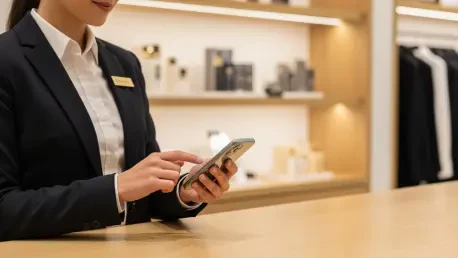
From a strategic business perspective, the failure to engage first-time shoppers represents one of the largest missed opportunities in the current retail environment, given that approximately 70% of these customers typically never return to a brand. Retailers who have adopted advanced CRM platforms to facilitate one-to-one messaging have seen substantial shifts in their performance metrics, including a 31.6% increase in average order values. Furthermore, these tools have boosted order frequency by 70%, proving that technology is most effective when it serves to enhance, rather than replace, human interaction. Brands like Jones Road Beauty have successfully navigated this transition by reimagining the role of the store associate as a relationship manager. These employees are no longer just point-of-sale clerks but are strategic growth drivers who use customer data to identify the perfect moment for a restock reminder or a personalized product recommendation tailored to the specific buyer.
Integrating an AI-driven opportunity engine allows brands to analyze customer behaviors and surface actionable insights that associates can use to initiate meaningful conversations. This technology helps staff determine the optimal time and method for outreach, ensuring that messages are welcomed rather than perceived as intrusive. By providing associates with a comprehensive view of a customer’s history across both digital and physical channels, companies have bridged the gap that once existed between online browsing and in-store shopping. This synthesis of physical presence and digital communication effectively turned every store visit into a measurable, long-term growth opportunity. The resulting environment is one where data informs the associate, but the associate’s unique voice and expertise provide the final persuasive push. This model emphasizes that the future of successful retail lies in the ability to scale intimacy through smart technological adoption and specialized staff training.
Implementing Data-Driven Personalization for Long-Term Success
The successful retailers of the current era recognized early on that the path to sustainable growth required a departure from traditional, siloed marketing tactics. They implemented strategies that empowered their frontline staff to function as brand ambassadors who possessed both the tools and the permission to engage in direct, personalized dialogue with their clientele. By focusing on the post-purchase phase of the customer journey, these organizations converted one-time buyers into lifelong advocates. This transition was facilitated by a commitment to data transparency, allowing associates to see exactly what a customer valued most. As a result, the retail experience became less about the pressure of the immediate sale and more about the long-term value of the relationship. Brands that prioritized these human-centric interactions consistently outperformed their competitors, demonstrating that personal attention remained the most valuable currency in an increasingly tech-driven global market.
Looking back at the shifts in consumer behavior, it became evident that the most effective solutions were those that combined physical touchpoints with proactive digital outreach. Companies that utilized messaging platforms to provide restock reminders and exclusive updates created a seamless loop of engagement that kept their brand top-of-mind. They moved away from the high-volume, low-impact nature of automated newsletters and instead embraced the high-impact, individualized nature of associate-led communication. This shift required a fundamental change in how performance was measured, moving beyond daily sales targets to include relationship-based metrics like retention and customer lifetime value. Ultimately, the industry learned that while digital tools provided the necessary infrastructure, the genuine human connection delivered by a dedicated associate was what truly secured consumer loyalty. This blueprint for engagement offered a clear path forward for any brand seeking to thrive in a modern landscape.