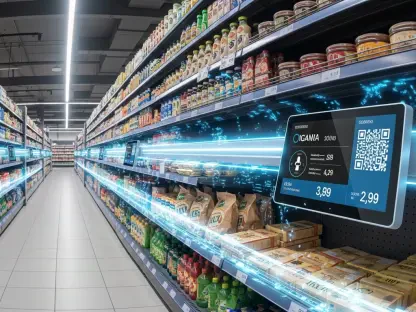

Imagine scanning a small square on a cereal box and instantly uncovering its farm origin, allergen details, and expiration clarity—all in under ten seconds. In today’s fast-paced retail environment, packaging is no longer just a protective shell; it has evolved into a dynamic digital touchpoint that can build consumer trust and encourage repeat purchases. With QR codes leading this transformation, brands have a unique opportunity to connect directly with shoppers. This roundup dives into diverse opinions and strategies from industry experts, technologists, and brand managers to explore how QR codes on packaging are reshaping customer relationships and driving loyalty. The goal is to uncover actionable insights and compare perspectives on leveraging this technology for maximum impact.
Unveiling the Digital Power of Packaging Through QR Codes
Packaging has long been underutilized as a communication tool, but the rise of digital integration is changing that narrative. Industry voices agree that QR codes offer a bridge between physical products and digital experiences, turning static packs into interactive platforms. Some retail analysts highlight the immediacy of this connection, noting that a quick scan can answer critical shopper questions without the need for lengthy searches. This capability is seen as a game-changer for fostering transparency in an era where consumers demand authenticity.
However, opinions diverge on the pace of adoption. While some experts argue that mid-sized brands are already reaping benefits by embedding QR codes, others caution that full-scale integration across retail systems is still unfolding. The consensus, though, points toward a significant shift by 2027, when 2D codes are expected to be as commonplace as traditional barcodes at checkout. This transition, paired with emerging regulations around Digital Product Passports, underscores the urgency for brands to adapt now and test strategies that resonate with tech-savvy consumers.
Expert Perspectives on Building Trust with QR Codes
Delivering Instant Information to Ease Shopper Minds
One widely shared view among consumer behavior specialists is that QR codes excel at addressing urgent shopper concerns with speed. A scan can reveal ingredients, allergens, and sourcing details almost instantly, cutting through the clutter of fine print on labels. Many in the field emphasize that this immediacy reduces decision fatigue, making it easier for customers to trust a product on the spot. The ability to clarify confusing date labels also garners praise as a way to minimize food waste and boost user confidence.
On the flip side, some brand consultants point out challenges in prioritizing content for that first scan. There’s a risk of overloading users with data, which could backfire by creating frustration instead of clarity. The recommendation here is to focus on the top five shopper questions—such as safety and origin—and present them in plain, digestible language. This balance, they argue, is key to transforming a quick scan into a lasting impression that nudges toward a second purchase.
Proving Authenticity with Batch-Level Transparency
Another area of agreement among packaging innovators centers on using QR codes to provide verifiable, batch-specific details. Technologists familiar with GS1 standards note that linking scans to concrete data—like lot numbers or audit trails—offers a level of proof that generic claims can’t match. Some brands are even incorporating short, authentic videos in these scans, mimicking the helpful tone of an in-store conversation to build credibility without overwhelming users.
Yet, not all experts see eye to eye on execution. A few digital strategists warn against cluttering the initial landing page with too much technical detail, advocating for expandable sections to keep the first view simple and focused. This divergence highlights a broader tension: while transparency is critical, the delivery must cater to varying levels of consumer curiosity. Striking this balance remains a priority for those aiming to turn trust into loyalty through detailed but accessible information.
Optimizing Placement for Seamless Scanning by 2027
The importance of QR code placement on packaging draws varied but complementary insights from retail operations specialists. With the ongoing transition toward dual marking—pairing traditional barcodes with 2D codes through 2027—many stress that strategic positioning is essential for reliable scans. Guidelines often suggest placing QR codes near existing barcodes, ensuring visibility without disrupting pack design. This approach, they argue, drives engagement by making scanning intuitive for shoppers.
In contrast, some packaging designers challenge the notion that placement is a minor detail, asserting that poor visibility can derail even the most robust digital experience. They point to real-world tests showing higher scan rates when codes are front and center rather than tucked away. Moreover, aligning the online product page with the scanned content ensures consistency, a factor often overlooked but deemed crucial by e-commerce experts for maintaining shopper trust across touchpoints.
Designing Human-Centric Landing Pages for Maximum Engagement
Speed and relevance in QR code landing pages are non-negotiable, according to digital experience professionals. A common tip is to host lightweight pages that load swiftly, even on weak networks, prioritizing trust-building facts over flashy design. Replacing vague marketing jargon with hard data—like origin maps or certification links—is frequently cited as a way to convert scans into confidence. This shift toward authenticity resonates with consumers seeking substance over slogans.
However, opinions split on how to balance information with calls to action. Some marketing veterans advocate for subtle nudges, like reminders to add a product to a shopping list, while others caution against any pushiness that might alienate users. The shared takeaway is clear: landing pages must feel conversational, mirroring the tone of a trusted store associate. This human-centric design, many agree, is what ultimately transforms a scan into a pathway for repeat engagement.
Practical Strategies for Implementing QR Codes Effectively
Rolling out QR codes on packaging doesn’t need to be an all-or-nothing endeavor, as supply chain consultants often note. A focused start with high-anxiety products—like allergen-free snacks or dairy with ethical sourcing concerns—can yield valuable insights without overwhelming resources. Tracking metrics such as scan rates or shifts in customer feedback language offers a tangible way to measure impact. This targeted approach allows brands to refine their strategy before scaling up.
Additionally, collaboration emerges as a recurring theme among retail partnership advisors. Testing QR initiatives with a single retailer or store format can accelerate learning through real-world feedback, bypassing lengthy theoretical debates. Many also emphasize aligning internal teams—legal, quality, and marketing—to ensure claims are substantiated and pages are user-friendly. Such coordination, they argue, prevents missteps that could undermine the trust QR codes are meant to build.
Shaping Packaging’s Future with QR Code Innovations
Looking ahead, industry thought leaders consistently highlight QR codes as a cornerstone for packaging’s evolution into a loyalty tool. The growing relevance of Digital Product Passports, which provide structured data on a product’s lifecycle, complements this shift by embedding verifiable fairness into every scan. As retail systems adapt to 2D codes over the coming years, the potential for packaging to serve as a dynamic product page becomes undeniable.
Differing views on innovation pace aside, there’s alignment on the need to act now. Some tech advocates push for bold experimentation with features like personalized reminders, while more cautious voices suggest sticking to core transparency goals. Regardless of approach, the shared vision is that QR codes can redefine how consumers perceive value, turning a simple pack into a trusted companion on their shopping journey.
Reflecting on Insights and Next Steps
Looking back, this roundup brought together a spectrum of perspectives that illuminated how QR codes on packaging forged deeper consumer trust and encouraged repeat purchases. The discussions spanned instant information delivery, batch-level proof, strategic placement, and user-friendly design, revealing both consensus and healthy debate among experts. These insights painted a vivid picture of packaging as a powerful digital interface.
Moving forward, brands were encouraged to take small, deliberate steps—perhaps starting with a single SKU to test the waters and refine their approach based on scan data and feedback. Exploring partnerships with retailers who embraced this technology proved to be a smart way to gain practical experience. Above all, focusing on authenticity and speed in every scan emerged as the guiding principle to carry this strategy into the future, ensuring that every interaction added value to the shopper’s journey.