
The Dawn of a Data-Driven Retail Era
The global retail sector is currently undergoing a profound digital metamorphosis, transitioning from traditional transactional models to data-driven, consumer-centric ecosystems where every interaction becomes a data point for future growth. As the market moves forward from its current standing in 2026, retail analytics stands as the central pillar of this evolution, transforming how brands interact with customers and manage internal operations. What was once a supplementary tool for high-level reporting has become the primary engine for expansion, with the global market projected to reach a staggering USD 20.65 billion by 2031. This trajectory signifies more than just financial growth; it represents a fundamental shift in the retail philosophy where data is the most valuable currency.
This analytical revolution is driving a compound annual growth rate of 12.8% over the next five years, fundamentally altering the relationship between merchants and the modern shopper. Retailers are no longer content with reactive strategies that address problems after they occur; instead, they are investing in proactive systems that anticipate market shifts before they manifest. By integrating sophisticated intelligence into every layer of the organization, businesses are finding new ways to remain relevant in a hyper-competitive landscape. The focus is shifting toward creating a seamless experience that satisfies the increasing demands for speed, relevance, and transparency in every transaction.
The Evolution from Intuition to Actionable Intelligence
To understand where the industry is headed, one must acknowledge the shift from siloed data sets to unified commerce frameworks that began in the early twenties and has now reached a point of total integration. Historically, retail decisions were often driven by manual inventory counts and historical intuition, which frequently led to overstocking or missed opportunities. However, the rise of e-commerce and the subsequent need for omnichannel visibility have forced a move toward integrated datasets that bridge the gap between brick-and-mortar stores and digital platforms. This historical shift matters because it established the foundation for modern real-time visibility that allows a manager in a physical store to see the same data as a logistics coordinator in a distant warehouse.
By learning to transform raw data into actionable intelligence, retailers have moved past simple performance analysis and toward a future where every store operation and customer touchpoint is optimized through constant digital feedback loops. The transition from legacy systems to cloud-native platforms has enabled a level of agility that was previously impossible. This evolution ensures that information is not just collected but is immediately usable for making critical business decisions. As the industry matures, the reliance on gut feeling is being replaced by a culture of experimentation and data-backed validation, allowing for more precise resource allocation and strategic planning.
The Pillars of Modern Retail Transformation
Advanced AI and the Precision of Predictive Modeling
A significant driver of industry change is the rising demand for AI-enabled demand forecasting that can navigate the complexities of a globalized economy. Traditional methods often fail to account for the extreme volatility of modern consumer trends, which are influenced by everything from viral social media moments to shifting weather patterns. In contrast, AI-driven models analyze massive datasets to predict future demand with high precision, allowing retailers to stock the right products at the exact moment they are needed. This capability is no longer a luxury but a necessity for assortment planning and ensuring that personalized retail experiences are delivered at scale.
By utilizing machine learning, retailers can anticipate needs before the consumer even expresses them, reducing waste and maximizing sales potential. These systems learn from every interaction, becoming more accurate over time as they ingest more data regarding purchase history, seasonal shifts, and external economic indicators. This level of foresight enables a more sustainable business model by preventing the unnecessary production and transportation of goods that would otherwise go unsold. Ultimately, predictive modeling acts as a bridge between consumer desire and supply chain execution, creating a more efficient marketplace for all participants.
Streamlining the Lifecycle of Order Fulfillment and Returns
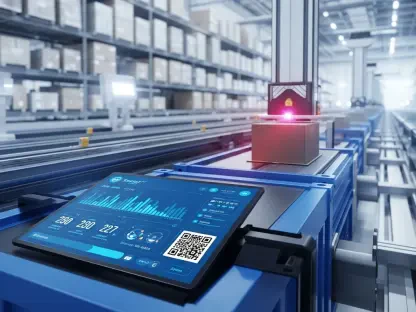
The efficiency of the delivery and return process has become a critical differentiator for modern brands in an age where speed is a primary competitive advantage. Analytics platforms now integrate warehouse operations, order data, and customer transactions to provide comprehensive visibility into the “on-demand” economy. These tools allow retailers to monitor order statuses in real-time and identify potential fulfillment bottlenecks before they impact the customer. In a high-speed environment, the ability to reroute a shipment or adjust a warehouse pick-list based on real-time data can be the difference between a loyal customer and a lost sale.
Furthermore, the management of reverse logistics—handling returns and exchanges—is being revolutionized by data-driven systems that treat returns as an opportunity rather than a loss. These innovations streamline refunds and ensure that returned inventory is reintegrated into the sales cycle as quickly as possible, protecting margins in an era of high return rates. By analyzing the reasons behind returns, retailers can also identify patterns related to product quality or sizing inaccuracies, allowing them to fix issues at the source. This holistic approach to the product lifecycle ensures that every item is accounted for and that the customer journey remains positive even when a product does not meet initial expectations.
Navigating the Complexities of Global Data Governance
As the reliance on data grows, so does the scrutiny from global regulatory bodies concerned with the protection of individual privacy. The landscape is increasingly defined by strict frameworks such as the European Union’s GDPR and the newer EU Data Act, which set high standards for transparent data processing. In the United States, the Federal Trade Commission has increased its focus on algorithmic transparency, particularly regarding how artificial intelligence influences pricing and product visibility. For retailers, this means that “responsible AI” is not just a buzzword but a strategic requirement for maintaining a license to operate.
Building auditable data management practices is now essential to maintaining consumer trust while navigating diverse regional requirements and avoiding significant legal risks. Organizations must be able to demonstrate how they collect, store, and utilize information, ensuring that consent is clear and that data is protected from unauthorized access. This regulatory pressure is driving innovation in “privacy-by-design” architectures, where data protection is baked into the technology from the start. Retailers who prioritize ethical data usage find that they not only comply with the law but also build deeper relationships with customers who value their privacy and security.
Emerging Trends and Technological Shifts Through 2031
The next several years will be defined by the shift toward cloud-native architectures and hyper-personalization that blurs the line between the digital and physical worlds. Cloud platforms provide the scalability and computational power required to process large-scale automated data pipelines, allowing retailers to adjust pricing or inventory levels instantaneously. We expect to see a surge in dynamic pricing optimization, where real-time store performance monitoring allows for price adjustments based on competitor activity and local demand. This ensures that a business remains competitive in real-time, responding to market fluctuations within minutes rather than weeks.
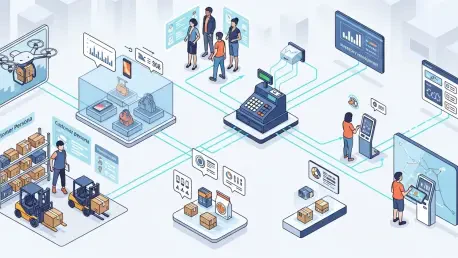
Additionally, the distinction between digital and physical retail will continue to blur as augmented reality and Internet of Things sensors in physical stores feed into the same analytics engines that power online storefronts. This creates a truly seamless “phygital” environment where a customer might interact with a virtual mirror in a store, and that data immediately informs the personalized recommendations they see on their mobile app later that day. By 2031, the physical store will function as a sophisticated data collection hub, providing insights into consumer movement, engagement levels, and browsing habits that were previously only available in the digital realm.
Strategies for Navigating the Analytical Future
For businesses and professionals to thrive in this environment, they must prioritize the development of modular analytics architectures that can grow alongside the company. The goal should be to create a 360-degree view of the customer by consolidating insights from e-commerce, point-of-sale systems, and customer relationship management databases. Best practices include moving away from legacy “black box” systems toward transparent, AI-driven frameworks that can be easily integrated into existing enterprise workflows. This transparency allows team members across different departments to understand the “why” behind an analytical recommendation, fostering a more collaborative and informed workforce.
Organizations should also focus on supply chain responsiveness, utilizing automated replenishment recommendations to combat global disruptions. By turning data into a strategic asset, retailers can optimize every link in the value chain, from initial demand forecasting to the final post-purchase experience. Investing in talent that understands both the technical side of data science and the practical realities of retail operations is crucial. Successful brands will be those that foster a culture where data is democratized, allowing employees at all levels to access the insights they need to improve their specific area of the business, whether that is floor sales or global procurement.
Conclusion: Setting the Stage for a Personalized Marketplace
The retail landscape underwent a fundamental reconstruction as it moved toward 2031, driven by the inescapable necessity of deep analytical integration. Industry leaders recognized that the transition toward unified commerce was not a temporary trend but a permanent shift in how value was created and delivered to the consumer. The integration of AI-driven intelligence provided a level of operational clarity that transformed supply chains from rigid structures into fluid, responsive networks. This period proved that the ability to leverage real-time insights while navigating the complexities of data privacy was the primary factor that separated successful enterprises from those that struggled to adapt.
Strategic focus shifted toward building systems that were as ethical as they were efficient, ensuring that consumer trust remained the foundation of every digital interaction. The industry successfully moved beyond simple transactional relationships to create a marketplace defined by personalization at an unprecedented scale. By embracing modular and scalable analytical tools, businesses ensured their relevance in a global market that prioritized understanding over mere selling. Ultimately, the successful navigation of this era required a commitment to turning data into a strategic asset, allowing the modern enterprise to thrive in an environment where precision and responsiveness became the new standards for excellence.