
The disconnect between the lightning-fast evolution of 5G infrastructure and the agonizingly slow pace of the brick-and-mortar shopping experience has created a friction point that modern consumers are no longer willing to tolerate. While network operators have spent billions perfecting the invisible waves that power our digital lives, the physical spaces where they sell those services have remained trapped in a transactional time warp. This review examines the emergence of the “phygital” telco model—a sophisticated architectural shift that aims to dissolve the barriers between online research and in-store execution. By integrating deep-level data orchestration with physical presence, this technology seeks to transform the storefront from a source of frustration into a high-value hub of interconnected commerce.
This transition is not merely a cosmetic upgrade to store interiors or the addition of a few touchscreens. It represents a fundamental restructuring of how telecommunications data flows through an organization. For decades, telcos operated in silos, where a customer’s digital journey on a mobile app was completely invisible to the retail associate behind the counter. The phygital model addresses this “fragmentation friction” by implementing a unified operating layer that ensures identity and intent persist across every touchpoint. The goal is to move toward an ecosystem where the technology serves the experience, rather than the experience being limited by the technology.
The Convergence of Physical and Digital Commerce
The phygital retail model functions as a unified framework that binds a provider’s physical storefronts to its digital nervous system, including web portals and mobile applications. This integration is critical because telco products—ranging from complex data tiers and hardware financing to eSIM activations—carry a high degree of cognitive load for the consumer. Unlike simple e-commerce transactions, these purchases often require a blend of digital speed for research and physical proximity for setup or troubleshooting. This technology ensures that the transition between these two states is lossless, preventing the common scenario where a customer must repeat their personal details three times before a sale is finalized.
In the broader technological landscape, phygital retail acts as a bridge between high-speed connectivity and human interaction. It is a direct response to the failure of purely digital channels to handle the nuance of personalized service. By creating a synchronized environment, operators can manage inventory, pricing, and customer history in real-time. This level of integration is essential for modern consumers who expect to start a trade-in process on their sofa and finish it at a retail counter within minutes, with all data pre-loaded and ready for verification.
Core Architectural Pillars of Phygital Retail
Unified Data Orchestration and Persistence
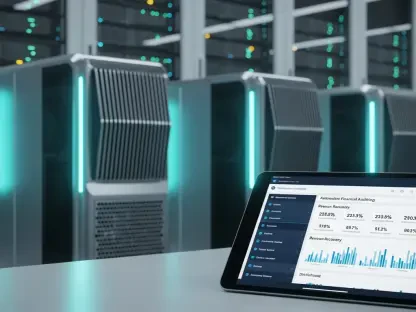
At the heart of any successful phygital implementation lies the orchestration layer, a software-driven backbone that manages the flow of customer data across fragmented systems. This persistence ensures that if a user configures a family plan on a tablet at home, that specific configuration is instantly accessible to a store associate’s point-of-sale system. This feature is more than just a convenience; it is a trust-building mechanism. When a system recognizes a customer’s previous digital interactions, it reduces transaction times and eliminates the “restart fatigue” that often drives potential buyers away from traditional retail environments.
The performance of this data layer is measured by its latency and accuracy in syncing cross-channel intent. Effective systems use secure identifiers to link digital footprints to physical visits, allowing for a proactive rather than reactive service model. For example, when a customer enters a store, the staff can receive an alert regarding the specific device the customer was browsing online. This capability transforms the retail associate from a data-entry clerk into a high-level consultant, as the manual labor of information gathering is replaced by automated background synchronization.
Interconnected Commerce Platforms
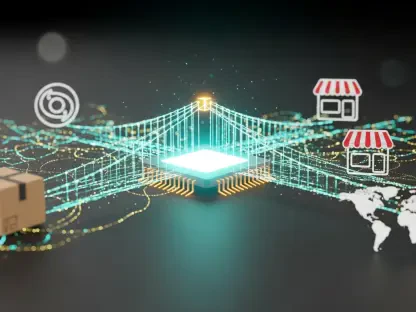
Modern phygital architecture relies on modular operating layers that replace the monolithic legacy stacks of the past. These platforms use flexible APIs to connect telecommunications operators with original equipment manufacturers and third-party logistics providers. By creating this interconnected web, telcos can provide accurate real-world availability updates and consistent pricing across an entire region. This modularity is what allows a service provider to remain agile, as individual components of the retail experience can be updated or replaced without crashing the entire commercial ecosystem.
The technical significance of these platforms lies in their ability to sit “on top” of existing infrastructure. Telcos are notorious for using aging backend systems that are difficult and expensive to overhaul. Interconnected commerce platforms act as a sophisticated wrapper that translates old data formats into modern, AI-ready streams. This allows operators to implement cutting-edge features like biometric check-ins or automated hardware trade-ins without needing to rebuild their core billing systems from scratch.
Emerging Trends and Market Shifts
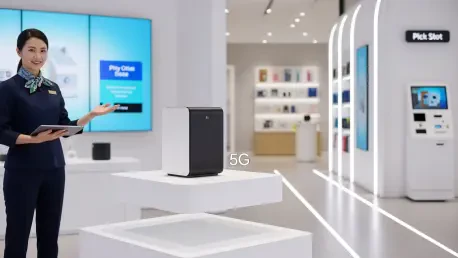
A significant shift is currently occurring where telcos are moving away from technical implementation for its own sake toward experience-led strategies. In this top-down approach, the desired customer journey dictates the choice of technology, rather than the limitations of the hardware. This has led to the rise of “brand theatre,” a concept where stores are designed as education and problem-solving centers rather than mere transaction points. This trend reflects a broader move in the industry to treat retail as an experiential asset that builds long-term subscriber loyalty, much like the high-end showrooms found in the automotive or luxury electronics sectors.
Consumer behavior is also driving a rapid adoption of hybrid fulfillment models. Methods such as Buy Online, Pick Up In-Store (BOPIS) are no longer optional extras but are now standard expectations. This shift is forcing telcos to modernize their internal logistics, turning every retail location into a micro-fulfillment center. By leveraging physical stores as localized distribution hubs, operators can offer same-day delivery or instant pickup for high-demand devices, effectively competing with giant e-commerce platforms that lack a local physical presence.
Real-World Applications and Use Cases
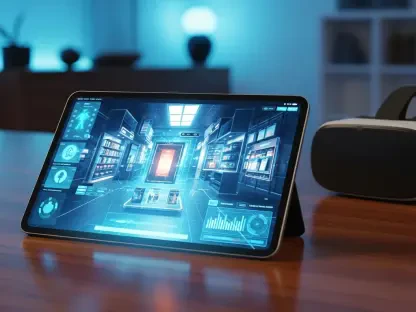
Telcos are increasingly deploying phygital systems to create flagship hubs that function as laboratories for new technology. These experience centers allow customers to interact with advanced hardware like 5G home internet gateways and augmented reality devices in a low-pressure environment. Smart service kiosks are another prominent application, enabling customers to perform complex tasks like eSIM transfers or hardware upgrades via their smartphones, with the kiosk serving as a physical touchpoint for secure verification or device hand-off.
In the logistics sector, the repurposing of physical stores as micro-fulfillment centers has revolutionized delivery timelines. By integrating the store’s inventory with the digital storefront, telcos can fulfill orders from the nearest physical location rather than a distant warehouse. This not only speeds up the delivery process but also provides a fallback for the customer; if a device needs a specific setup or has a defect, the physical “fulfillment center” is already equipped with the staff and tools necessary to resolve the issue immediately.
Challenges and Adoption Barriers
Despite the clear benefits, organizational inertia remains the most formidable obstacle to phygital adoption. Telcos are historically siloed organizations where the digital marketing team rarely communicates with the physical retail operations group. This lack of a unified vision often results in fragmented customer experiences, even when the underlying technology is available. Breaking down these departmental barriers requires a cultural shift that prioritizes the end-to-end user journey over individual department metrics, a transition that many legacy operators struggle to execute.
Technical debt also continues to plague the industry. Integrating modern, cloud-native AI platforms with decades-old billing and provisioning systems is a complex and often buggy endeavor. Many operators find that their legacy infrastructure simply cannot handle the real-time data requirements of a truly phygital environment. To mitigate this, development efforts are currently focused on creating “systems of intelligence”—modular software layers that can interpret and relay data between the old and the new without requiring a total infrastructure replacement.
Future Outlook and Agentic Commerce
The evolution of phygital retail is moving rapidly toward “agentic commerce,” a state where AI agents perform the heavy lifting of purchasing decisions. In this future, a customer’s personal AI might analyze thousands of data plans and device specifications, negotiate with the telco’s API, and simply present the final choice to the user. This will require telcos to move beyond basic websites and toward AI-native systems that can interact directly with digital agents. The storefront will then serve as the final validation point for these AI-driven decisions, where the human element provides the final layer of assurance.
As AI takes over the mundane aspects of plan comparison and data entry, the specialization of physical hubs will increase. Storefront volume may decrease, but the importance of each remaining location will grow. These “phygital” centers will likely become community hubs for tech support, device repairs, and high-value consultations that cannot be replicated by a screen. The integration of AI will also support employees, giving them real-time insights into a customer’s needs and allowing them to build bespoke service packages that are both profitable for the company and highly relevant to the consumer.
Strategic Assessment and Verdict
The transition to a phygital retail model was a necessary response to a world where consumers no longer distinguish between their online and offline lives. By successfully bridging the gap between digital convenience and physical service, telecommunications operators moved away from being mere utility providers and toward becoming integrated service partners. The deployment of unified data orchestration and modular commerce platforms effectively addressed the systemic fragmentation that had plagued the industry for years, proving that the retail channel could indeed be a brand asset rather than a liability.
The most successful operators were those that recognized technology was only one half of the equation, with the other half being a complete cultural overhaul of the customer experience. By adopting a top-down, experience-led strategy, these companies moved beyond transactional sales and into the realm of brand theatre and trust-based relationships. The emergence of agentic commerce and AI-driven logistics further solidified the role of the physical store as a specialized hub in a broader digital ecosystem. Ultimately, the phygital framework provided the essential infrastructure needed to meet the demands of a modern, interconnected market.