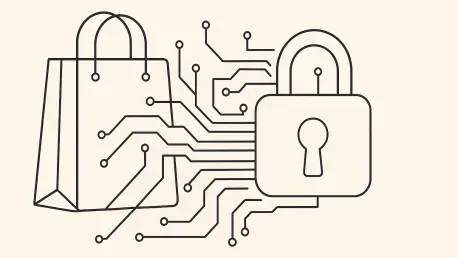

Internal research reveals that 27% of security incidents in the retail industry are directly attributed to a lack of specialized expertise among IT staff. This shortage of skilled professionals is occurring just as the retail and wholesale sectors undergo a massive digital transformation, integrating artificial intelligence and hyper-personalized customer experiences into every facet of the shopping journey. While these innovations offer incredible growth potential, they have also created a complex web of risks that many businesses are struggling to manage effectively. Recent global data indicates that the vast majority of retail organizations have faced at least one cyber incident in the past year, making robust security no longer an optional luxury but a fundamental requirement for survival in the modern marketplace. As the industry becomes increasingly digitized, the frequency and sophistication of attacks have reached unprecedented levels, forcing a total reassessment of corporate defense strategies across the globe today.
The Financial Motives: Data Exfiltration and Loss
The primary motive behind these attacks is the acquisition of sensitive information, with client and employee data being the most sought-after prizes on the dark web. Cybercriminals recognize that retailers hold a treasure trove of financial records and personal identifiers, which can be sold or used for further identity theft operations. When a breach occurs, the consequences are often severe and frequently permanent, ranging from massive financial losses to the total disruption of daily operations. For many businesses, the damage goes beyond a temporary outage; nearly one-fifth of retailers experience irrecoverable data loss, which can cripple a brand’s reputation and its ability to function in a competitive market. These incidents underscore a critical reality: a successful cyberattack can threaten the very existence of a retail business by destroying its foundational data and operational capacity. The immediate loss of transaction capabilities often leads to immediate revenue drops that are difficult to recover.
Protecting Consumer Trust: A Core Business Requirement
Beyond the immediate theft of assets, the long-term impact on consumer trust is difficult to quantify but impossible to ignore in the current retail climate. In an era where customers value privacy as much as convenience, losing control over personal information can lead to a permanent migration of a loyal customer base to more secure competitors. This shift is not merely hypothetical; shoppers are becoming increasingly aware of data privacy rights and are quicker to abandon brands that fail to protect their digital footprints. Furthermore, the regulatory environment has tightened, meaning that a single breach can result in astronomical fines and legal battles that drain a company’s reserves. Retailers must view cybersecurity not just as a technical hurdle, but as a core component of customer relationship management. Protecting the integrity of the customer journey from the first click to the final delivery is now a prerequisite for brand loyalty. Without this trust, the marketing engines companies invest in become worthless.
Addressing the Critical Human Expertise Gap
Despite the focus on external hackers and sophisticated software exploits, internal factors such as human error and a lack of specialized expertise remain the largest contributors to retail security risks. Many organizations struggle with a significant expertise gap among their IT staff, coupled with a general lack of security awareness across the broader workforce. This internal weak link is often what allows relatively simple social engineering tactics, like phishing, to succeed and bypass expensive technical defenses. Adversaries have moved beyond generic spam, now utilizing highly targeted spear-phishing campaigns that mimic the communication style of senior executives or trusted vendors. When employees are not trained to recognize these subtle red flags, they inadvertently provide the keys to the kingdom. This gap in knowledge creates a persistent vulnerability that no amount of firewall technology can fully close. Consequently, effective security programs are those that prioritize ongoing education and a culture of vigilance.
Mitigating Risks: Personal Device Usage and Passwords
Risky workplace behaviors further exacerbate these vulnerabilities, as employees frequently use personal devices for work or practice poor password hygiene in their daily routines. Whether it is connecting to unsecured public Wi-Fi while working remotely or reusing credentials across multiple platforms, these habits provide easy entry points for adversaries. Modern retail operations often rely on a mobile workforce, but without a centralized and disciplined approach to IT infrastructure, even the most modern retail setups remain exposed to threats that take advantage of simple human mistakes. Approximately 33% of companies reported irresponsible password habits among staff, which highlights a pervasive neglect of basic digital hygiene. Furthermore, the use of personal devices for storing corporate data often circumvents corporate security protocols, creating “shadow IT” environments that are invisible to security teams. Addressing these issues requires more than just a policy manual; it necessitates active monitoring and user-friendly tools.
Implementing Zero Trust: Advanced Defensive Models
In response to the escalating threat landscape, retailers are significantly increasing their security budgets and shifting their defensive strategies toward more advanced models. Many are moving away from purely internal solutions and are instead turning to external experts for managed security services and specialized detection. This shift includes the implementation of Zero Trust architectures, which ensure that no user—inside or outside the network—is granted automatic access to sensitive data without continuous verification. This principle of “never trust, always verify” is becoming the gold standard for protecting complex digital ecosystems that include cloud services and remote endpoints. By outsourcing specific functions like Managed Detection and Response (MDR), retailers can gain access to elite security talent and 24/7 monitoring that would be prohibitively expensive to build in-house. This collaborative approach allows internal IT teams to focus on core business growth while partners handle the relentless waves of threats.
Navigating the Artificial Intelligence Blind Spot
However, the rapid adoption of artificial intelligence (AI) introduces a new blind spot for the industry that many executives have yet to fully address. While retailers are eager to use AI for operational efficiency and marketing, there is a concerning lack of awareness regarding how these tools can be exploited to leak data or facilitate automated attacks. Approximately 83% of retailers are currently in the discussion or pilot stages of AI implementation, yet a significant portion of the industry claims to see no inherent risk in these tools. This overconfidence is dangerous, as Large Language Models (LLM) can inadvertently expose sensitive corporate secrets if not properly sandboxed. Moreover, cybercriminals are already using AI to generate more convincing deepfakes and automate the discovery of software vulnerabilities. To remain resilient, businesses must balance their enthusiasm for technological innovation with rigorous security protocols that address both the human and technical elements of their environment. The goal is to innovate safely.
Securing Endpoints: Protection Across the Supply Chain
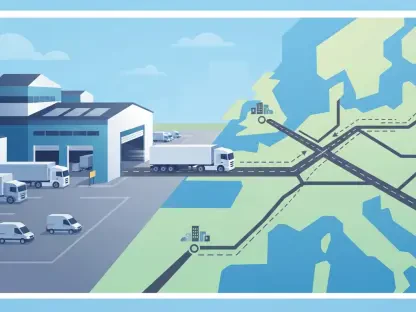
Strengthening digital endpoints has become a top priority for retail leaders who recognize that every point of sale and mobile device represents a potential gateway for intruders. Deploying advanced protection on all workstations is essential, but it must be paired with continuous updates to ensure these solutions remain effective against evolving attack vectors. The modern retail supply chain is another critical area where vulnerabilities often hide, as third-party vendors frequently have access to a retailer’s internal systems. Cybercriminals often target these smaller, less secure partners as a backdoor into the primary target’s network. Therefore, comprehensive security must extend beyond the company’s own walls to include rigorous auditing of every partner and service provider. Establishing strict data access controls for third parties ensures that a compromise at a vendor does not lead to a total system failure for the retailer. This holistic view of the digital ecosystem is necessary to defend against the interconnected threats of the current year.
Strategic Evolution: Actionable Steps for Resilience
Retailers established clear policies regarding the use of artificial intelligence, ensuring that sensitive data remained protected even as new tools were integrated into the workforce. These organizations successfully adopted Zero Trust frameworks and moved away from outdated, perimeter-based security models that were no longer sufficient for modern e-commerce. By outsourcing critical monitoring functions to external specialists, businesses ensured that they maintained a constant defense against sophisticated global adversaries. They also invested heavily in endpoint protection and supply chain auditing to close the gaps that hackers previously exploited. These proactive measures allowed retailers to maintain consumer trust and protect their financial integrity during a period of intense digital disruption. Moving forward, the industry demonstrated that resilience was not a one-time achievement but a continuous commitment to adapting alongside the evolving threat landscape. Strategic transitions to managed services provided needed expertise.