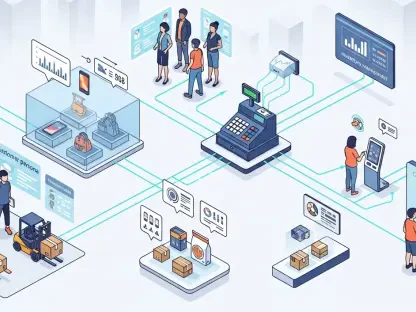

The very fabric of commerce is being rewoven as the lines separating our digital lives from our physical experiences continue to blur, creating a new set of expectations for how we shop. We are moving decisively away from the era of multichannel retail, where a brand simply maintained a presence on various platforms, and into a far more sophisticated model of deeply integrated, customer-centric ecosystems. This paradigm shift demands the creation of a single, fluid customer journey that flows effortlessly between e-commerce websites, interactive social media feeds, immersive virtual environments, and traditional brick-and-mortar stores. The challenge for retailers is no longer about being present on multiple channels, but about orchestrating them into a cohesive symphony of touchpoints. By 2026, retail success will be defined not by the breadth of a company’s digital footprint, but by the seamlessness and intelligence with which it connects these disparate worlds to meet consumers wherever and however they choose to engage, turning every interaction into a continuous conversation.
The New Digital Storefronts
From Feeds to Funnels The Rise of Social Commerce
Social media has fundamentally evolved from its origins as a peripheral marketing tool into a formidable and integrated sales channel, acting as a primary engine for both product discovery and direct purchasing. Platforms that were once used for broadcasting advertisements have become dynamic digital storefronts, complete with in-app shopping functionalities, direct product tagging in posts, and live, influencer-driven demonstrations that have reshaped consumer behavior. This transformation enables frictionless transactions to occur entirely within the native social environment, removing barriers between inspiration and purchase. More importantly, this evolution has ushered in a more conversational and engaging model of commerce. Rather than relying on intrusive, one-way advertising, retailers are now cultivating genuine relationships through authentic storytelling, sharing behind-the-scenes content, and actively soliciting user-generated feedback. This ongoing, two-way dialogue provides an invaluable stream of real-time insights into consumer preferences and market demand, allowing brands to test new products and shape future offerings based on direct community input.
Bridging the Gap with Immersive Tech
Immersive technologies like Augmented and Virtual Reality (AR and VR) have transitioned from niche novelties into increasingly accessible and vital tools for retailers of all sizes. These technologies serve a critical function in bridging the experiential gap between browsing a product online and interacting with it physically, thereby mitigating one of the most significant points of friction in e-commerce: purchase uncertainty. AR applications, for instance, empower customers to use their smartphone’s camera to realistically preview how a piece of furniture would fit and look within their living room or to virtually try on a new pair of glasses from the comfort of their home. Similarly, VR technology facilitates the creation of fully immersive digital showrooms and virtual pop-up shops, offering customers the ability to explore and engage with products in a simulated, three-dimensional environment. The primary benefit of these experiences is that they provide customers with the information and confidence needed to make more informed buying decisions, which in turn fosters higher satisfaction, deepens brand trust, and leads to a significant reduction in costly product returns.
The Blueprint for a Unified Customer Experience
The Frictionless Journey Across Channels
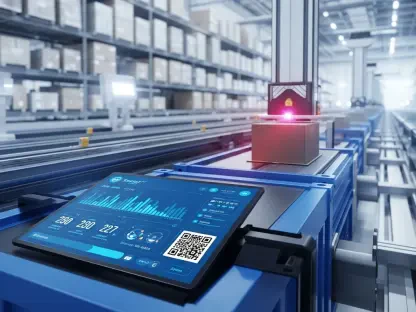
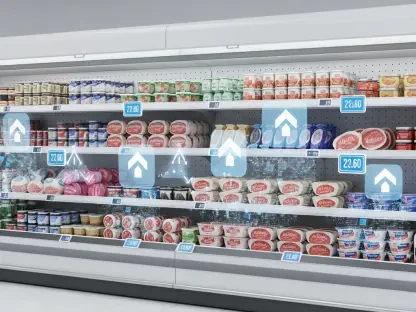
Modern consumers do not perceive a brand through its isolated touchpoints; they experience it as a single, cohesive entity across a multitude of interactions, whether online, in-store, or on a social platform. Consequently, the expectation is that the journey between discovering a product on an Instagram feed, saving it to a wishlist on a mobile app, and ultimately completing the purchase on a desktop website must be completely frictionless and intuitive. To meet this demand, crucial information such as product details, saved customer preferences, shopping cart contents, and order history must remain perfectly consistent and synchronized across all devices and platforms. Achieving this level of continuity necessitates a significant investment from retailers in unified commerce platforms. These sophisticated systems are capable of synchronizing inventory, marketing campaigns, and customer data across every endpoint in real time. Such a robust and agile backend infrastructure is the essential foundation that enables the flexible and convenient fulfillment options that customers now expect as standard, including self-checkout, in-store pickup, and same-day delivery services.
Smart Personalization Balancing Helpfulness and Privacy
The wealth of data available to retailers allows for the creation of highly tailored customer experiences, but its effective use hinges on a delicate balance between relevance and privacy. Successful personalization must be perceived as helpful rather than invasive, moving beyond generic advertisements to offer meaningful, context-aware recommendations that reflect a customer’s past browsing habits and purchase history. The ultimate goal is to foster a sense of being understood and respected by the brand. A crucial component of this strategy is providing customers with transparent and easy-to-use controls to opt in or out of data sharing, giving them agency over their personal information. When this approach is executed thoughtfully and ethically, it cultivates deep-seated customer loyalty. It transforms the shopping environment from one that feels like it is under constant surveillance into a familiar, trustworthy, and welcoming space, strengthening the consumer-brand relationship for the long term.
An Interconnected Retail Reality
The evolution of retail into a seamlessly integrated ecosystem was ultimately defined not by the sheer number of channels a brand occupied, but by the strategic and harmonious integration between them. The success of this next phase of commerce hinged on a relentless focus on consistency, ensuring that customers could move freely between digital, social, and immersive touchpoints without ever feeling like their journey was being interrupted or reset. The brands that thrived were those that invested in the complex backend infrastructure required to make the front-end experience feel simple and intuitive. They recognized that a unified view of the customer was paramount to delivering personalization that felt helpful, not intrusive, and built trust by offering transparency and control over data. This customer-centric approach ensured that the transition from a fleeting moment of discovery on a social feed to the finality of an in-store pickup was part of a single, continuous, and satisfying brand conversation.