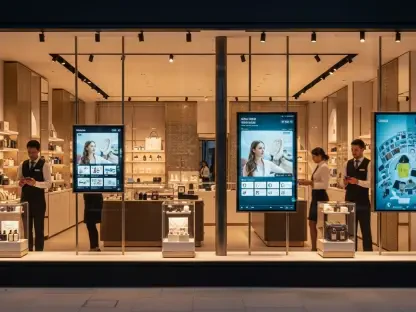

The sudden emergence of a five-story townhouse on Fifth Avenue signals a profound shift in how tech giants approach the traditional brick-and-mortar shopping experience. Meta’s permanent arrival at 697 Fifth Avenue, spanning 15,000 square feet, marks a strategic departure from the sterile, minimalist showrooms that have defined the consumer electronics industry for the last two decades. By securing a ten-year lease in one of the world’s most expensive retail corridors, the company is betting heavily on the idea that virtual reality and artificial intelligence require a high-touch, physical environment to reach mass-market acceptance. This flagship, known as Meta Lab, is not merely a distribution point for hardware but a cultural hub designed to demystify complex technologies through immersive storytelling and localized community engagement. The transition from a digital-first brand to a physical neighborhood staple reflects a growing need to bridge the gap between abstract software and tangible utility, proving that even the most advanced digital platforms require a concrete foundation to build lasting consumer trust and influence.
The Evolution of Experiential Consumerism
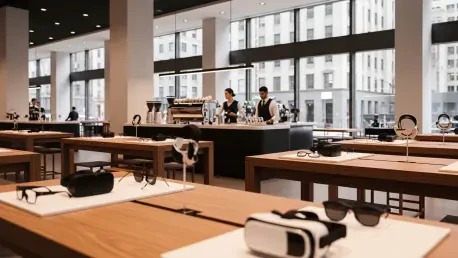
The core philosophy driving this flagship is “experiential retail,” a model that prioritizes the user’s journey and emotional connection over the simple transaction of goods. Instead of rows of boxed products, visitors encounter an environment where the hardware feels integrated into daily life, allowing them to test Ray-Ban Meta and Oakley Meta AI glasses in settings that mimic real-world usage. This approach addresses a significant hurdle in the adoption of wearable technology, as many consumers remain hesitant to purchase items that fundamentally alter their social interactions without first experiencing them firsthand. By providing a low-pressure space for exploration, the company is effectively lowering the barrier to entry for augmented reality and the latest Quest series of headsets. This strategy suggests that the success of physical retail lies in education and experimentation rather than traditional sales metrics, turning the storefront into a laboratory where the public can shape their own understanding of how these advanced tools fit into their personal routines.
Building on this foundation, the store offers exclusive incentives that cannot be replicated in the digital sphere, such as limited-edition merchandise and specialized customization services. These physical-only offerings create a sense of urgency and prestige, drawing in a demographic that might otherwise rely solely on online marketplaces for their tech needs. The inclusion of an in-house coffee bar, Buddies Coffee, further transforms the retail space into a social destination where people can linger, discuss their experiences, and observe others interacting with the technology. This socialization of the shopping process is a deliberate move to counteract the isolation often associated with virtual reality. By placing these devices in a communal setting, the brand reinforces the idea that technology is a bridge to further connection rather than a wall. This shift represents a broader industry trend where physical locations serve as the primary engine for brand loyalty, fostering a community that is deeply invested in the ecosystem through shared physical experiences and unique on-site events.
Integrating Technology With Local Cultural Context
A significant differentiator for the New York City location is its deep integration with the local cultural landscape, moving away from a one-size-fits-all corporate aesthetic. The store features collaborations with local artists and institutions, such as the Zoo York skate culture exhibition and galleries curated by prominent figures like Evan Mock. These partnerships allow the technology to be viewed through the lens of established cultural movements, making the Ray-Ban Meta glasses feel less like a gadget and more like a tool for creative expression within the city’s vibrant street life. By honoring the specific history of the neighborhood and its artistic communities, the brand avoids the perception of being a disconnected corporate interloper. This localized approach is essential for gaining the trust of a sophisticated urban audience that values authenticity and cultural relevance. It demonstrates that the utility of artificial intelligence is not just found in productivity apps but in capturing and sharing the unique pulse of a city.
Retailers and technology firms observed that the success of this flagship model relied on the seamless blend of digital utility and physical community. The decision to position the store alongside high-end fashion brands rather than traditional tech competitors redefined these products as lifestyle accessories, which successfully expanded the target audience beyond early adopters. Moving forward, the industry learned that physical touchpoints must serve as active classrooms where the value proposition of AI is demonstrated through hands-on participation. This strategy proved that sustained market growth required a commitment to long-term presence and genuine local engagement. Investors and brand managers subsequently prioritized flexible retail spaces that could adapt to cultural shifts, ensuring that hardware remained relevant in a rapidly evolving social landscape. By focusing on human-centric design, the retail sector established a new standard where the store functioned as a vital gateway for the public to navigate and master the complexities of the digital age.