
Bridging the Gap Between Pilot Programs and Performance Scales
The transition of commerce media from a fragmented experimental playground into a disciplined, multi-billion dollar economic engine represents the most significant structural shift in advertising history since the dawn of programmatic buying. As stakeholders prepare for the IAB Connected Commerce Summit this April in New York City, the narrative is moving away from speculative potential toward operational reality. The industry now demands a high-stakes execution model that prioritizes accountability and the establishment of common denominators to ensure long-term scalability across diverse platforms.
From Retail Media Roots to a Multi-Channel Powerhouse
Commerce media originated as a localized effort within digital storefronts, primarily utilizing sponsored search and basic display ads. This landscape shifted as the deprecation of third-party cookies increased the value of first-party data, turning retailers into powerful media owners. Early Retail Media Networks were characterized by siloed data and inconsistent reporting; however, the current market climate has created an urgent need for standardized execution models that can overcome the fatigue associated with fragmented metrics.
Establishing the Framework for Scalable Success
Prioritizing Incrementality and Standardized Accountability
Moving toward execution requires a shared definition of success centered on incrementality. Industry leaders at Colgate-Palmolive and Instacart emphasize that accountability is the primary requirement for modern budget allocation. This transition involves moving beyond simple Return on Ad Spend toward sophisticated attribution models that prove media investments drove sales which otherwise would not have occurred.
Integrating In-Store Media with Digital Ecosystems
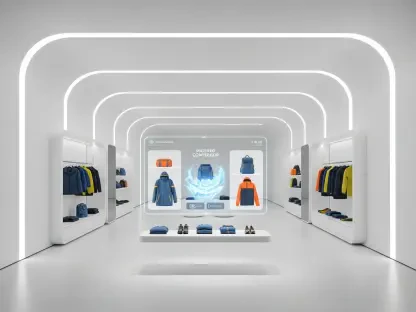
Scalable success depends on a cohesive strategy that treats the physical retail aisle as a high-intent media channel. By leveraging real-time inventory data and AI-driven solutions, brands can create personalized experiences that follow consumers from mobile applications to physical shelves. Organizations like Uber Advertising are already connecting digital discovery with physical fulfillment to create a seamless omnichannel narrative.
Navigating Organizational Shifts and Operational Maturity
Transitioning to an execution-first mindset requires a structural overhaul to eliminate legacy silos that separate trade marketing from digital advertising. Achieving operational maturity involves streamlining internal workflows and ensuring that data is accessible across the entire enterprise. This evolution reduces friction and enables the rapid decision-making necessary to compete for high-stakes performance budgets in a crowded market.
Future-Proofing the Commerce Media Landscape
Artificial Intelligence is evolving from a creative tool into the operational backbone of the industry, capable of automating bid management and creative optimization in real-time. Furthermore, a shift toward global regulatory standardization regarding data privacy will likely force networks to become more transparent. The most successful entities will be those providing a globalized execution strategy that remains effective across different international markets and regulatory environments.
Strategic Guidelines for High-Stakes Implementation
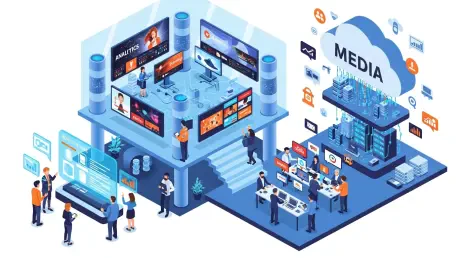
To navigate this transition, businesses must invest in clean-room technology to enable collaborative data sharing without compromising consumer privacy. Prioritizing measurement over vanity metrics, such as focusing on customer lifetime value rather than just clicks, is essential for sustainable growth. Retailers should also differentiate their networks by providing unique insights that brands cannot find elsewhere, effectively capturing budgets shifting away from traditional social and search platforms.
Securing a Competitive Edge in a Mature Market
The industry moved toward a disciplined model where standardized metrics and integrated physical-digital experiences replaced experimental trials. Decision-makers successfully implemented new operating models that unified disparate departments, ensuring that commerce media became a core driver of global performance. Organizations that embraced clean-room technology and prioritized long-term customer value effectively solidified their positions as the architects of the modern retail landscape.