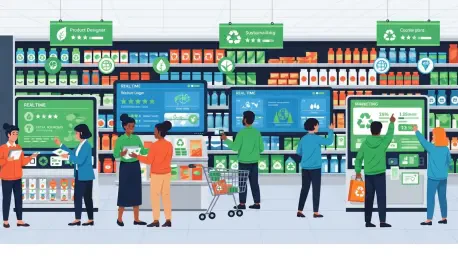

The transition from viewing environmental stewardship as a fiscal burden to recognizing it as a primary engine for organizational mobility marks a definitive shift in consumer packaged goods leadership today. While the industry previously relegated sustainability to the periphery of corporate social responsibility reports, the current landscape demands a more integrated approach where environmental metrics and commercial growth are inseparable. Mid-level managers now find themselves in a pivotal position, serving as the essential bridge between high-level ESG commitments and the practical realities of the retail shelf. By reframing these challenges as opportunities for innovation, professionals can elevate their internal profiles while simultaneously driving measurable brand expansion. This guide explores how mastering sustainability scorecards, aligning with consumer value, and leading cross-functional squads creates a clear pathway for both brand resilience and career advancement.
The modern marketplace no longer treats sustainability as a niche preference; it is a fundamental requirement for maintaining a seat at the negotiation table with major retailers. As the industry moves through 2026, the brands that thrive are those that embed ecological considerations into their core identity rather than treating them as a superficial add-on. This strategic integration strengthens retailer relationships by helping those partners meet their own ambitious climate targets, while also building a deeper reservoir of trust with shoppers who are increasingly skeptical of vague claims. Furthermore, the operational efficiencies gained through waste reduction and streamlined supply chains provide a buffer against the rising costs of raw materials, ensuring that green initiatives contribute directly to the bottom line.
The Strategic Necessity of Sustainability in Modern CPG
Integrating sustainability into a brand’s DNA has moved from being a voluntary exercise in goodwill to a core component of long-term commercial viability. Retailers now prioritize suppliers that can demonstrate tangible progress in reducing carbon footprints and packaging waste, as these factors directly influence the retailer’s own performance metrics. When a brand demonstrates leadership in this area, it transforms the relationship from a transactional vendor-buyer dynamic into a strategic partnership. This alignment often results in preferential shelf placement and more collaborative promotional planning, as retailers are eager to showcase products that mirror the values of their shoppers.
Beyond the retail relationship, sustainability initiatives offer significant internal advantages by forcing a discipline that often leads to cost optimization. The process of auditing a product’s lifecycle frequently reveals redundancies in packaging, inefficiencies in the logistics network, and opportunities for material substitution that reduce expenses. By focusing on resource productivity, organizations can mitigate the risks associated with volatile commodity markets and tightening environmental regulations. This dual benefit of risk mitigation and cost control provides a robust foundation for brand growth, allowing managers to reinvest savings into innovation and consumer-facing marketing efforts.
Actionable Best Practices for Brand Growth and Career Advancement
Turning sustainability pressure into a measurable business result requires a shift in mindset from compliance to competitive advantage. For the mid-level manager, this involves taking ownership of the technical and strategic data that now dictates market success. By becoming the resident expert on how environmental factors influence brand performance, a professional can transition from a functional specialist to a strategic leader with high visibility within the executive suite. The following practices outline the specific levers that can be pulled to achieve these results.
1. Mastering the Retailer and Investor Scorecard
Understanding and owning the ESG metrics used by retailers and investors provides a distinct advantage during high-stakes negotiations. Many organizations still treat these scorecards as administrative hurdles, leaving a gap for proactive managers to step in and use the data to tell a compelling growth story. When a manager can fluently discuss packaging recyclability rates or Scope 3 emission reductions alongside traditional metrics like sales velocity and category share, they demonstrate a sophisticated understanding of the modern business environment. This ability to synthesize complex data points into a coherent strategy is what separates future leaders from the rest of the pack.
A notable example of this in practice occurred when a category manager successfully navigated a difficult range review by leveraging packaging data. While competitors focused solely on price points, this manager highlighted how their brand’s move toward 100 percent recyclable materials directly contributed to the retailer’s goal of reducing plastic waste by twenty percent. By providing the buyer with the data needed to report success to their own superiors, the manager secured additional facings and protected the brand from being delisted. This approach turned a potential conflict over shelf space into a collaborative win, showcasing the manager’s ability to align brand objectives with broader corporate goals.
2. Aligning Sustainability with Consumer Value and Price Sensitivity
Bridging the gap between what consumers say they want and what they actually purchase is one of the most significant challenges in the current market. While surveys indicate a high willingness to support sustainable brands, shopper behavior remains heavily influenced by price and convenience. The most successful managers are those who embed sustainability into the core value proposition of the product, ensuring that it is perceived as an inherent benefit rather than a reason for a price premium. By making the “green” choice the easiest and most logical choice, brands can drive incremental penetration across a wider demographic.
In one instance, a brand achieved significant volume growth by simplifying its environmental messaging and linking it directly to product performance and value. Instead of focusing on abstract carbon credits, the brand highlighted how a concentrated formula reduced both packaging waste and the cost per use for the shopper. This credible claim resonated with price-sensitive consumers who wanted to make better choices without stretching their household budgets. The resulting increase in shopper penetration proved that when sustainability is communicated as a component of value rather than an expensive extra, it becomes a powerful driver of brand loyalty and market share.
3. Leveraging Sustainability for SKU Rationalization and Portfolio Growth
Sustainability data serves as a powerful tool during periods of portfolio streamlining, providing a lens through which to identify the most resilient products. As retailers demand more efficiency from the shelf, managers who can justify the inclusion of specific SKUs based on their environmental credentials are better positioned to protect their brands. Products that are “better-for-the-planet” often show higher growth rates and better digital performance, making them essential components of a forward-looking portfolio. Using these metrics to guide SKU rationalization ensures that the remaining product line is optimized for both current demand and future regulatory shifts.
During a recent period of intense portfolio reduction, a brand manager utilized sustainability credentials to defend key items that might otherwise have been cut. By demonstrating that these specific SKUs had higher-than-average repurchase rates among younger, more environmentally conscious demographics, the manager argued for their long-term strategic importance. The data showed that these products were driving the brand’s growth on digital platforms, where search algorithms increasingly favor sustainable attributes. Consequently, the brand maintained its digital market share while competitors saw their portfolios shrink, proving that sustainability is a reliable indicator of product longevity and relevance.
4. Building Influence Through Cross-Functional Sustainability Squads
Leadership in the current CPG environment requires the ability to coordinate across diverse functions, including R&D, procurement, and marketing. By initiating and leading small, focused sustainability squads, mid-level managers can solve complex problems that no single department can address alone. These projects offer a unique platform for professionals to demonstrate their ability to manage complexity without sacrificing profit margins. Acting as a connector within the organization builds a reputation for being a result-oriented leader who can navigate the intricacies of a large corporate structure.
A successful recyclable packaging project serves as a prime illustration of how cross-functional collaboration drives internal visibility. A manager brought together representatives from packaging engineering, supply chain, and finance to redesign a high-volume product line. The initiative focused on reducing material complexity, which lowered the cost of goods and decreased transport-related emissions due to lighter packaging weights. The project was celebrated internally as a major success, not just for its environmental impact, but for its positive effect on the brand’s margin. The manager’s role in orchestrating this complex initiative provided the evidence needed to justify a move into a senior leadership position.
Transforming Compliance into a Personal Success Story
The integration of environmental goals into the core of brand management proved to be the most effective way for professionals to accelerate their careers. By moving beyond a narrow focus on compliance, the most successful leaders demonstrated that they could speak the distinct languages of procurement, marketing, and the consumer simultaneously. They treated sustainability not as a separate department’s responsibility but as a fundamental aspect of the business that required constant attention and innovation. This holistic approach allowed them to identify opportunities for growth that others overlooked, transforming the complexity of modern CPG into a platform for professional achievement and brand resilience.
Practical steps taken by these managers often started with small, manageable adjustments to packaging or sourcing that yielded immediate data for the business. These “atomic” moves provided the proof of concept necessary to secure internal buy-in for larger, more ambitious projects. By consistently delivering results that balanced planetary health with financial performance, these professionals established themselves as the architects of the future organization. Ultimately, the industry learned that the ultimate training ground for handling corporate complexity was found within the challenges of sustainability. Those who embraced this reality found that their influence grew in direct proportion to the positive impact they created for their brands and the world.