
What if the secret to retail success in a hyper-connected world lies not in choosing between online or offline, but in mastering both at once? Picture a small fashion brand from Asia breaking into the U.S. market, seamlessly blending its Instagram shop with a pop-up store in New York, all while

Market Snapshot: Unpacking July's Retail Revival In a retail landscape still navigating economic headwinds, July has emerged as a beacon of cautious optimism for UK retailers, with footfall data revealing a subtle yet significant uptick in shopper activity. A modest 0.5% year-on-year increase
Welcome to an insightful conversation with Zainab Hussain, a renowned e-commerce strategist with deep expertise in customer engagement and operations management. With years of experience in retail technology, Zainab has a unique perspective on how digital tools and consumer behaviors are shaping

Amid the fading allure of brick-and-mortar stores and increased demand for digital alternatives, GameStop faces the need for significant shifts. The company's transformation toward an omnichannel approach emerges as a strategy to reignite growth and offset traditional retail challenges. This market
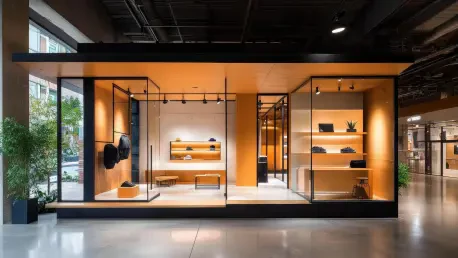
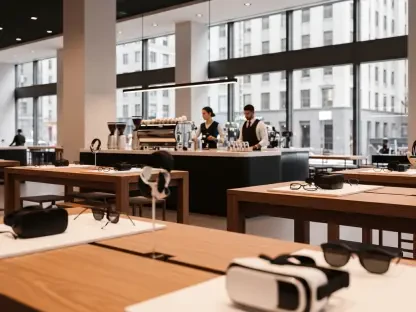
In a world where digital interactions increasingly take center stage, the traditional brick-and-mortar store faces a decisive moment in its journey. Retail spaces that once existed solely for product transactions are now redefining themselves as arenas for immersive and sensory-rich experiences.

In the ever-evolving world of advertising, a recent partnership between Koddi, a leader in retail and commerce media technology, and In-Store Marketplace (ISM) has shown significant promise for influencing in-store shopping behaviors. A statistic from eMarketer reveals that more than 80% of