
With over two decades of experience shaping the payments landscape, from the early days of POS terminals to the complex, omnichannel world of modern retail, our guest today is an e-commerce strategist known for her deep understanding of merchant needs. We’ll be exploring the evolution of payment services beyond simple hardware, the critical importance of optimizing every single transaction, and how a unified commerce platform can simplify operations for retailers navigating a challenging economic climate. This conversation will delve into the strategies that transform a payment provider into a true growth partner, leveraging vertical-specific expertise to unlock value in an industry where every percentage point counts.
Early in your career, you focused on adding services like mobile top-ups to POS terminals rather than just selling hardware. What was the thinking behind this services-first strategy, and how did you convince merchants of its value when it wasn’t yet common?
Right from the beginning, I was never interested in just “selling boxes.” It felt incredibly limiting. The real opportunity wasn’t in the plastic and electronics of the terminal itself, but in what it could enable for the merchant. My thinking was that the point of sale was a crucial customer touchpoint, a piece of real estate on the counter that could do so much more than just process a card payment. We introduced services like prepaid mobile top-ups, which might seem standard now but were quite novel then. The pitch to merchants was about creating new revenue streams and adding value for their customers, turning a cost center into a profit generator. It was about reframing the terminal from a piece of mandatory technology into a tool for business growth.
When you transitioned to serving merchants directly, it represented a major shift from focusing on banks. What specific challenges did you face in delivering a true end-to-end merchant experience, and what key lessons did you learn about their needs during that time?
That was a huge pivot in perspective and a period where I became, as I like to say, “obsessed” with service excellence. The biggest challenge was that the infrastructure and development capabilities were nowhere near as sophisticated as they are today. We were essentially building this end-to-end acceptance model from the ground up in markets like France, and it was a heavy lift. The key lesson I learned was just how different a merchant’s reality is from a bank’s. Merchants don’t think in terms of acquiring or issuing; they think about making a sale, serving their customer, and growing their business. They struggle with complexity and just want things to work reliably. This period taught me to listen intently to their pain points, whether it was about reconciliation, hardware issues, or wanting to add new functionalities like in-store donations, and to build solutions for their world, not ours.
Improving acceptance rates by even a few percentage points can unlock significant revenue. Beyond the clear financial gain, how does this intense focus on authorization rates change the dynamic between a payment provider and a merchant? Please share an example of this partnership in action.
It completely transforms the relationship from a transactional one to a genuine partnership. When you’re just processing payments, you’re a utility. But when you’re actively fighting to improve a merchant’s authorization rate by even 2% to 4%, you’re suddenly on the same team, fighting for the same goal. A declined transaction isn’t just a data point; it’s a lost sale, a frustrated customer, and a blow to the merchant’s bottom line. For a large retailer processing billions in turnover, that 2% is an enormous amount of unlocked revenue. It becomes a collaborative effort where we analyze data together, fine-tune fraud rules, and ensure customers can use any payment method they prefer, seamlessly. You’re no longer just a vendor; you’re a strategic partner in their success.
Given the current landscape where retail growth is slowing and consumers are spending less per transaction, what specific, practical strategies should merchants prioritize? How can their payments infrastructure be leveraged to optimize every sale and reduce friction in this challenging environment?
The era of explosive 20% to 50% year-on-year growth is behind us for now. Today, even 10% would be considered exceptional. We’re seeing consumers become more cautious; they’re buying more frequently but spending less each time. In this environment, payments can’t just function, they must perform. The first strategy is to obsess over conversion. This means reducing friction at every step, from offering diverse payment options to ensuring lightning-fast, successful authorizations. Secondly, merchants must leverage their payment partner’s data to understand these new shopping behaviors and optimize their checkout flow. The infrastructure should be seen as a tool to extract maximum value from every single transaction, because in a market with low single-digit growth, you simply can’t afford to lose a single sale due to a poor payment experience.
One Commerce aims to simplify complexity for merchants by unifying numerous assets. Can you walk us through the practical, step-by-step experience for a fashion retailer using this platform, from initial integration to managing both their in-store and online channels through a single portal?
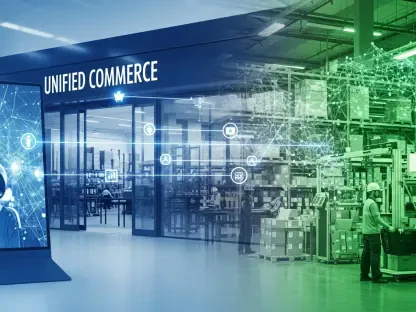
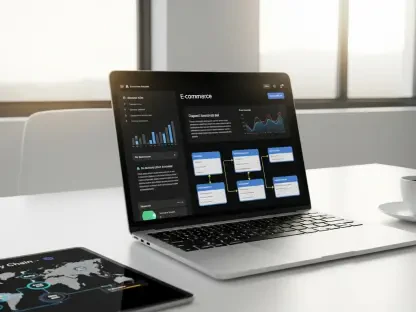
Imagine a fashion retailer with brick-and-mortar stores and a growing e-commerce site. Historically, they’d have separate contracts, different technical integrations, and disjointed reporting for in-store and online sales, which is a nightmare. With a unified platform, the first step is a single, streamlined integration that connects all their channels. From that moment on, their world simplifies. They log into one portal where they can see every transaction, whether it happened on a POS terminal in their London store or on their website from a shopper in Manchester. This single view allows them to manage inventory, understand customer behavior across channels, and handle things like returns or click-and-collect seamlessly. It’s all governed by one contract and one service-level agreement, which means if there’s an issue, they have one number to call, not three. It removes the operational headache and lets them focus on what they do best: fashion.
The One Commerce strategy relies on deep vertical expertise, with team members from brands like IKEA and H&M. How does this industry-specific knowledge translate into a tangible difference for merchants in their day-to-day operations compared to working with a more generalized payment provider?
It makes a world of difference because we’re not just guessing what they need; we know. A generalized provider might offer a one-size-fits-all solution, but the payment needs of a grocery store are fundamentally different from those of a high-end fashion boutique or an electric vehicle charging station. When you have people on your team who have walked the shop floor at IKEA or managed e-commerce for H&M, they understand the specific operational pressures, the seasonal inventory challenges, and the unique customer journeys in that sector. This expertise translates directly into our product. We design payment packages and value propositions specifically for fashion, for example, that address their pain points around cross-border sales, managing returns, or loyalty programs. It means the conversations we have are far more strategic, moving beyond transaction fees to how we can genuinely help them grow their business.
What is your forecast for the future of retail payments?
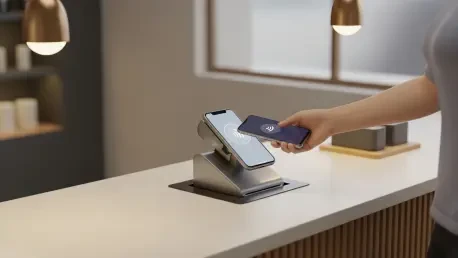
My forecast is that payments will become increasingly invisible yet more intelligent, driven by AI. The real transformation won’t just be about new ways to tap a card; it will be about how AI optimizes the entire commerce journey. For merchants, this means dynamic pricing, hyper-personalized checkout experiences, and augmented operational excellence. For consumers, we’re on the cusp of agentic commerce, where AI tools like Google Assistant or agents built into platforms like ChatGPT will shop on our behalf, finding the best products at the best prices and completing transactions seamlessly. The future is a world where the payment is a smart, frictionless, and almost unnoticeable conclusion to a highly personalized and efficient shopping experience.