
The Unseen Engine of Modern Commerce: Decoding the POS Revolution
At the heart of nearly every retail transaction lies a crucial piece of technology: the Point-of-Sale (POS) terminal. Once a simple tool for processing payments, the POS system has evolved into the central nervous system of modern commerce. This analysis delves into the global market for Retail POS Terminals, a sector undergoing profound transformation. Currently valued at over $30 billion and projected to surge past $59 billion by 2032, the market is expanding at a robust compound annual growth rate (CAGR) of 7.5%. This article will explore the powerful forces fueling this growth, from the digital transformation sweeping the retail landscape to the technological innovations that are redefining the customer experience and reshaping business operations.
From Cash Registers to Cloud-Connected Hubs: The Evolution of Retail Transactions
To understand the current boom, it’s essential to appreciate the journey of the POS terminal. For decades, the cash register was a standalone device, limited to calculating sales and storing cash. The first wave of electronic POS systems introduced basic inventory tracking and sales reporting, but they remained siloed, on-premise systems. The real revolution began with the rise of the internet and cloud computing. This shift transformed POS terminals from mere transaction processors into integrated, multifaceted platforms. Today, they are sophisticated hubs that connect payments, inventory management, customer data, and e-commerce, providing a 360-degree view of the business. This evolution from a functional tool to a strategic asset is the foundational context for the market’s explosive growth and its critical role in today’s competitive retail environment.
The Core Drivers: A Trifecta of Innovation Mobility and Security
The market’s momentum is not fueled by a single factor but by the convergence of several powerful trends. Technological advancement, the demand for greater business agility, and the non-negotiable need for security are collectively pushing the industry forward. These elements work in concert, creating a landscape where modern POS systems are no longer a luxury but a strategic necessity for survival and growth.
Technological Innovation and the Omnichannel Imperative
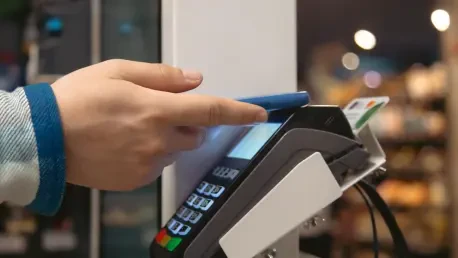
At the forefront of the market’s expansion is relentless technological innovation. Modern POS systems are being reshaped by cutting-edge features like artificial intelligence (AI), which delivers deep insights into purchasing patterns, and Near Field Communication (NFC) for seamless contactless payments. However, the most significant trend is the strategic imperative of omnichannel integration. Today’s consumers expect a consistent experience whether shopping online, on a mobile app, or in a physical store. Advanced cloud-based POS platforms are the linchpin of this strategy, synchronizing sales, inventory, and customer data across all channels. This enables popular services like “buy online, pick up in-store” (BOPIS) and empowers retailers to deliver the unified, frictionless journey that customers now demand.
The Rise of Mobility and the Democratization of Retail Tech
A particularly disruptive force within the market is the proliferation of mobile POS (mPOS) systems. By utilizing tablets and smartphones as terminals, mPOS solutions offer unparalleled flexibility, allowing sales associates to complete transactions anywhere in the store, bust queues, and enhance customer engagement. This mobility is a game-changer for improving the in-store experience. Furthermore, their lower setup costs and minimal hardware investment have democratized access to advanced retail technology, making it an attractive option for small and mid-sized businesses that were previously priced out of sophisticated systems. The post-pandemic surge in digital wallet use has only accelerated the adoption of these agile and customer-centric solutions.
Fortifying Trust: The Critical Role of Security and Compliance
As digital transactions multiply, security has become a paramount concern for both consumers and retailers. In response, the market is prioritizing POS systems with sophisticated, multi-layered security protocols. Features like end-to-end encryption (E2EE), payment tokenization—which substitutes sensitive card data with a non-sensitive equivalent—and advanced authentication methods like biometrics are now table stakes. With cyber threats growing more sophisticated, retailers are investing heavily in these secure, compliance-focused solutions. Doing so is not just about adhering to regulations; it’s about protecting sensitive customer data and, most importantly, building and maintaining the trust that is the bedrock of customer loyalty.
Beyond the Transaction: What’s Next for POS Technology
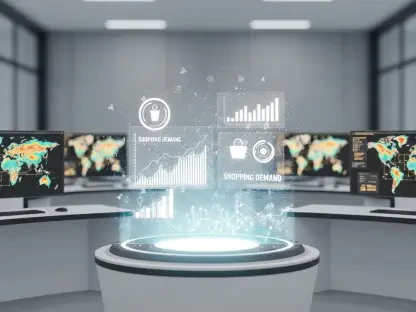
Looking ahead, the Retail POS Terminals Market is poised for even deeper integration of next-generation technologies. The future lies in creating highly intelligent POS ecosystems that leverage the Internet of Things (IoT) for connected device management, big data analytics for hyper-personalized marketing campaigns, and more sophisticated AI for predictive sales forecasting. As the global shift toward cashless economies continues to accelerate, the demand for innovative, secure, and integrated payment solutions will intensify. The POS terminal will solidify its role as a central hub for business intelligence, driving decisions that enhance efficiency, secure transactions, and deliver the personalized shopping experiences consumers crave.
Navigating the Market: Actionable Insights for Retail Leaders
The rapid evolution of the POS market presents both challenges and opportunities. To stay competitive, businesses must move beyond viewing the POS system as a simple payment tool and embrace it as a strategic asset. The primary takeaways are clear: prioritize systems that enable a seamless omnichannel experience, ensure security is at the core of your payment infrastructure, and leverage the flexibility of mobile solutions to enhance in-store customer engagement. For retailers planning their next investment, this means seeking out scalable, cloud-based platforms that can integrate easily with other business software. Harnessing the rich data captured at the point of sale is no longer optional; it is essential for understanding customer behavior and making informed business decisions.
Why the Point of Sale Remains the Heart of Retail’s Future
In conclusion, the analysis of the $60 billion POS terminal market revealed that its growth was driven by a fundamental shift in the nature of retail itself. The core narrative was an evolution from a point of sale to a point of service—a dynamic platform that successfully merged the digital and physical worlds. The convergence of consumer demand for seamless, secure transactions and the retailers’ need for operational efficiency and data-driven insights firmly placed the POS system at the epicenter of modern commerce. As technology continued to advance, the POS terminal became only more integral, solidifying its status as the indispensable heart of the retail operation for years to come.