
In an era where global supply chains creak under pressure and consumer loyalty is more fleeting than ever, retailers are discovering that generic, one-size-fits-all technology solutions are no longer sufficient to navigate the complexities of the modern market. The retail industry is at a critical juncture, facing unprecedented challenges from supply chain volatility and rapidly shifting consumer demands that require more than just generalized algorithms. A fundamental shift is underway, moving from broad-based AI tools to highly specialized, industry-specific solutions known as Vertical AI. This analysis explores the definition and accelerating growth of Vertical AI, examines its real-world application through a key case study, and projects its transformative impact on the future retail landscape.
The Ascent of Purpose-Built AI in Retail Operations
The retail sector’s evolution from traditional, manual processes to data-driven automation has paved the way for a new generation of intelligent tools. However, early forays into artificial intelligence often involved generic platforms that, while powerful, lacked the specific domain expertise needed to solve the industry’s most pressing problems effectively. This has led to the rise of purpose-built, or Vertical, AI—solutions designed from the ground up with the intricacies of retail in mind. These platforms are pre-trained on vast datasets specific to retail and CPG, enabling them to understand concepts like promotional lift, demand seasonality, and inventory flow without extensive customization. This intrinsic industry knowledge allows for faster, more accurate, and more impactful deployments that address core operational challenges head-on.
Quantifying the Trend Market Growth and Measurable Impact
The shift toward specialized AI is not merely anecdotal; it is a measurable trend reflected in adoption statistics and tangible financial returns. Across the retail and consumer packaged goods sectors, a clear preference is emerging for platforms engineered with deep industry knowledge. These Vertical AI solutions are gaining significant traction over general-purpose algorithms, which often require extensive customization, prolonged training periods, and a higher degree of in-house data science expertise to become effective.
The economic argument for this specialization is compelling. A landmark Vertical AI Economic Impact Report from SymphonyAI provides data-driven evidence of the return on investment. Retailers and CPG companies that have adopted these purpose-built technologies report an average sales uplift of 3.5% and a remarkable 20% improvement in inventory turns. These figures highlight the direct correlation between domain-specific AI and enhanced operational efficiency, demonstrating that technology pre-trained on relevant industry data can deliver more accurate forecasts and smarter replenishment strategies.
This growing market preference is rooted in practicality and performance. By arriving “ready to work,” Vertical AI drastically shortens the deployment cycle, allowing retailers to achieve value more quickly. The embedded domain expertise translates into higher accuracy from the outset, as the models already understand the unique nuances of retail operations. Consequently, businesses can bypass the costly and time-consuming trial-and-error phase often associated with generic AI tools, accelerating their journey toward a more intelligent and responsive operational model.
Case Study in Action LabelVies AI-Driven Transformation
The strategic partnership between North African retail leader LabelVie Group and SymphonyAI offers a powerful real-world example of Vertical AI’s transformative potential. Evolving from a two-decade collaboration, this alliance has deepened its focus on integrating specialized AI across LabelVie’s network of over 270 stores. The goal is not just to modernize but to create a fully connected, intelligent retail ecosystem capable of navigating modern complexities with agility and precision.
A cornerstone of this transformation was the establishment of foundational master data management. By implementing a system to create a “single source of truth,” LabelVie successfully eliminated the data silos that traditionally hinder enterprise-wide analytics. This unified data foundation is the essential prerequisite for reliable AI, ensuring that all predictive models and operational tools are powered by consistent and accurate information. This step alone provides coherent visibility across the organization, enabling more effective planning and analysis.
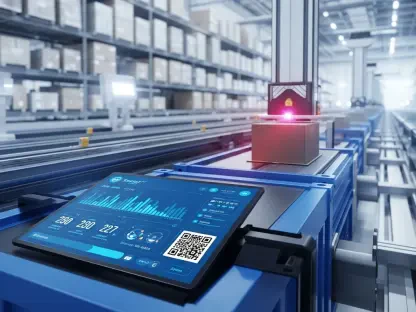
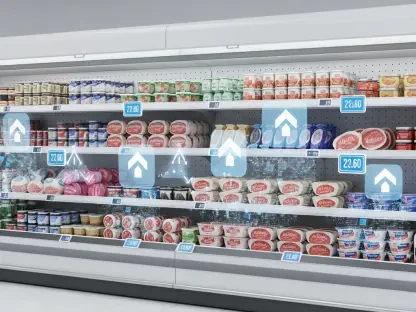
Building on this solid foundation, the deployment extended to the store floor with real-time execution tools. Store associates were empowered with mobile solutions for proactive task management, which directly improved on-shelf availability and workforce productivity. Simultaneously, the entire technology suite was built on a flexible and scalable architecture. This future-proof design supports LabelVie’s current on-premise needs while providing a clear path for future migration to cloud or hybrid environments, ensuring the investment remains valuable as technology and business needs evolve.
Industry Voices The Strategic Value of Specialization
Experts emphasize that the primary advantage of Vertical AI lies in its ability to be “ready to work on day one.” Unlike generic platforms that begin as a blank slate, these specialized solutions come pre-trained with deep domain expertise. They already comprehend the unique dynamics of the retail value chain, from supplier logistics to in-store customer behavior. This built-in intelligence translates into faster implementation and more immediate, relevant insights, allowing retailers to focus on strategic decision-making rather than lengthy technology configuration.
This specialized approach fundamentally redefines the role of data, transforming it from a passive operational byproduct into a dynamic strategic asset. The integration of Vertical AI enables retailers to convert vast streams of transactional and inventory data into actionable intelligence. This transition empowers organizations with enhanced process governance and more accurate, timely decision-making. The result is a more resilient operation where insights generated from one area, such as demand forecasting, can automatically inform actions in another, like inventory replenishment.
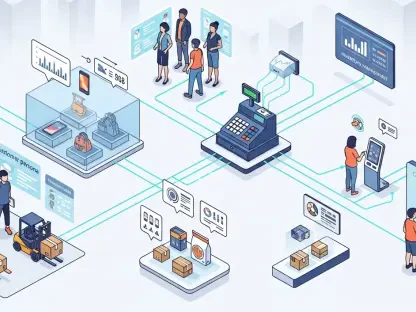
Moreover, the consensus among industry leaders is that integrated, end-to-end solutions are critical for maximizing efficiency. By connecting disparate functions from supply chain management to store execution, Vertical AI creates a cohesive ecosystem. This interconnectedness ensures that information flows seamlessly across the entire retail value chain, breaking down departmental barriers and fostering greater coordination. The holistic visibility and control provided by such a system are essential for boosting overall operational performance and maintaining a competitive edge.
The Future Outlook Resilience and Agility in Retail
Looking ahead, the evolution of Vertical AI is poised to unlock even more advanced capabilities, particularly in predictive and prescriptive analytics. The next wave of innovation will move beyond simply forecasting demand to automatically prescribing and executing optimal replenishment orders, fine-tuning pricing strategies in real-time, and dynamically allocating labor based on predicted store traffic. This will further reduce manual intervention and elevate operational intelligence to new heights.
The tangible benefits of this ongoing trend are multifaceted. Retailers equipped with advanced Vertical AI will exhibit enhanced operational agility, allowing them to navigate market fluctuations and consumer trend shifts with greater confidence. Their supply chains will become more resilient, better able to withstand the global disruptions that have become increasingly common. Ultimately, these efficiencies will translate into a more personalized and seamless customer experience, as data-driven insights enable retailers to better anticipate and meet individual shopper needs.
However, this future is not without its challenges. The successful deployment of any advanced AI system is contingent upon a robust and well-governed data infrastructure; without clean, accessible data, even the most sophisticated algorithms will falter. Furthermore, there is a growing risk of a widening technology gap between early adopters who invest in these specialized solutions and laggards who stick with outdated systems. This divergence could reshape the competitive landscape, making it increasingly difficult for slower-moving companies to keep pace. The broader implication is a clear industry-wide shift toward intelligent, automated, and fully integrated retail ecosystems as the new standard for survival and success.
Conclusion Embracing Specialization for a Competitive Edge
The evidence gathered demonstrated that the trend toward Vertical AI was more than a fleeting development; it was a fundamental strategic pivot. The analysis showed that these specialized solutions delivered tangible and measurable ROI, effectively solved complex, industry-specific problems, and were proven through demanding real-world applications, such as the successful collaboration between LabelVie and SymphonyAI. This shift underscored the limitations of generic technologies in an increasingly complex retail environment.
In an era defined by unprecedented challenges, the adoption of specialized AI became a non-negotiable tool for achieving sustainable growth and operational resilience. The case studies and data reviewed confirmed that purpose-built platforms offered a distinct advantage by embedding deep domain knowledge directly into their architecture. This intrinsic intelligence enabled faster deployments, more accurate outcomes, and a more holistic approach to managing the retail value chain.
Ultimately, the trajectory of the market made it clear that retailers had to move beyond generalized technology. The imperative was to invest in purpose-built AI solutions capable of building the resilient, efficient, and deeply customer-centric operations required for future success. The companies that embraced this specialization were the ones best positioned to thrive in a new era of intelligent commerce.