
The cultural fabric of the Northeastern United States is woven through the small-format grocery stores that stand as essential pillars of urban survival and neighborhood connectivity. These independent retailers do more than just sell goods; they serve as the primary source of nutrition in identified food deserts and act as economic stabilizers in high-density corridors. Despite their importance, many of these “mom-and-pop” operations have long struggled to keep pace with the rapid digital shifts occurring in the broader retail market.
The strategic alliance between National Retail Solutions (NRS) and Krasdale Foods represents a pivotal moment for these local icons. By combining the digital prowess of NRS with the deep-rooted distribution expertise of Krasdale, the partnership provides a comprehensive infrastructure that allows independent merchants to compete on a level playing field. This synergy is specifically designed to fortify the bodega economy across states like New York, New Jersey, and Massachusetts, ensuring that the local shop remains a viable destination for the modern consumer.
The Resilient Landscape of Independent Grocery and the Urban Bodega Economy
Neighborhood stores in the Northeast occupy a unique space where commerce meets community. They are often the only accessible retail option for residents in aging urban centers, providing everything from daily staples to essential services. This resilience is fueled by a deep understanding of local demographics, yet the lack of sophisticated business tools has historically limited their growth potential.
The collaboration between NRS and Krasdale addresses this gap by introducing enterprise-level resources to small-format environments. While Krasdale provides the physical inventory and supply chain reliability honed over a century of service, NRS offers the technological backbone. Together, they are redefining what it means to be a competitive local grocer in a landscape dominated by massive corporate chains.
Navigating the Shift Toward Tech-Enabled Local Commerce
Digital Transformation and the Rise of Smart Small-Format Retail
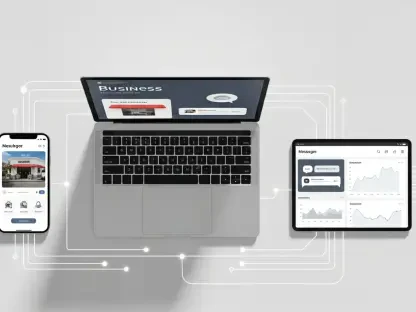
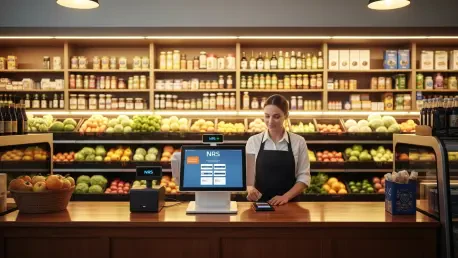
The transition from manual cash registers to data-driven management platforms is no longer a luxury but a necessity for survival. Modern consumers expect the same level of convenience in a corner store as they do in a suburban supermarket, including rapid checkout and diverse payment methods. Through the integration of NRS Pay and advanced point-of-sale systems, store owners can now manage inventory in real-time while providing a professional transaction experience.
Furthermore, localized merchandising is becoming more precise as digital tools allow owners to track exactly what their specific community demands. Instead of relying on guesswork, merchants use data to curate their shelves, bridging the gap between traditional service and modern efficiency. This shift effectively transforms the humble bodega into a smart retail hub capable of sophisticated operational management.
Market Projections for the Independent Retail Technology Sector
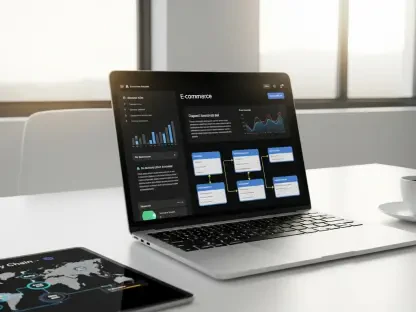
Data insights suggest a significant upward trend in the adoption of retail technology across the 3,500 independent stores within Krasdale’s extensive network. From 2026 to 2028, the penetration of advanced POS systems is expected to accelerate as merchants recognize the long-term return on investment associated with digitized supply chains. This modernization is a direct response to the increasing complexity of the Northeastern grocery market.
Investors and store owners alike are focusing on how these tools mitigate the pressures of a fluctuating economy. By streamlining inventory and reducing waste, small businesses can maintain healthy margins even as operational costs rise. The forecast for the sector remains optimistic, provided that retailers continue to embrace the fusion of traditional wholesale and digital management.
Overcoming Structural Barriers in the Mom-and-Pop Retail Sector
The primary obstacle for family-owned businesses has always been the high cost and complexity of implementing high-tier technology. Most enterprise systems are designed for large corporations, leaving independent owners with few affordable options. The NRS-Krasdale partnership removes this barrier by offering a tailored, cost-effective solution that fits the physical and financial constraints of a neighborhood shop.
Moreover, these digital tools help merchants navigate the challenges of inflation and the looming threat of e-commerce giants. By improving store profitability through better tracking and automated replenishment, the partnership ensures that local shops do not just survive but thrive. This structural support is vital for maintaining the economic diversity of urban neighborhoods.
Regulatory Standards and Compliance in Modern Food Distribution
Operating a food-related business involves navigating a complex web of federal and local regulations. For many bodegas, managing programs like EBT and eWIC can be a clerical burden. Modernized POS systems simplify this process by ensuring seamless compliance and secure payment processing, protecting both the merchant and the consumer from errors or fraud.
In addition to financial compliance, digitized tracking helps stores adhere to health and safety standards. Automated freshness alerts and inventory logs allow owners to monitor stock levels and expiration dates with precision. This level of oversight was previously difficult for small teams to manage but is now a standard feature of the modernized urban retail environment.
The Future Roadmap for Urban Retail and Community Pillars
Looking ahead, the integration of hyper-local data will drive the next wave of innovation in grocery distribution. Automated replenishment and predictive analytics will allow wholesalers like Krasdale to anticipate store needs before an order is even placed. This democratization of high-level business tools ensures that even the smallest merchant has access to the same intelligence as a global retailer.
As these technologies become more pervasive, the role of the bodega as a community pillar will only strengthen. The ability to offer consistent, high-quality service through advanced technology fosters deeper trust with local residents. The ongoing evolution of the POS platform will continue to provide new avenues for revenue, such as digital advertising and loyalty programs.
Strengthening the Fabric of Neighborhood Commerce Through Strategic Alliances
The partnership between NRS and Krasdale successfully stabilized the independent retail ecosystem in the Northeast by providing a necessary bridge to modernity. By focusing on the specific needs of the bodega, this alliance proved that technological adoption does not have to come at the expense of traditional community values. Merchants who embraced these tools saw immediate improvements in their operational clarity and customer retention.
For the independent grocer, the path forward required a commitment to scaling through strategic wholesale relationships and the implementation of data-centric tools. This move helped secure the financial future of thousands of family-owned businesses, ensuring they remained competitive against larger market forces. Ultimately, the modernization of the bodega served as a vital investment in local economic growth and community stability.