
The retail industry is currently navigating a fundamental transformation where the ability to manage returned goods has evolved from a back-office burden into a primary indicator of overall business health and supply chain viability. In the contemporary omnichannel landscape, the traditional separation between digital and physical storefronts has effectively vanished, forcing a total reimagining of how goods flow back into the commercial ecosystem.
This evolution requires a sophisticated network design that integrates technological influences with physical infrastructure. As market players struggle to maintain financial health, the significance of returns management has expanded from a simple customer service task to a critical strategic discipline that dictates operational viability and long-term brand loyalty.
Navigating the Complexities of Modern Omnichannel Logistics
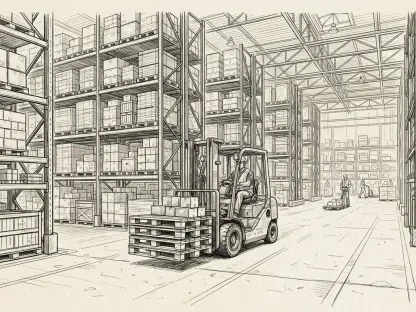
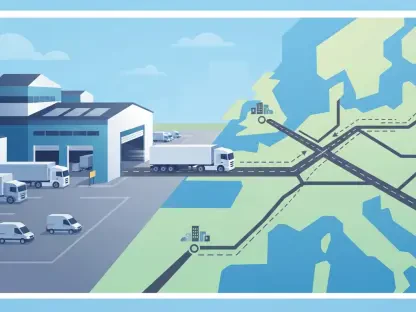
The complexity of modern logistics stems from the need to balance high-speed fulfillment with an equally responsive return network. Retailers are moving away from centralized hubs toward regionalized processing centers that can handle local volumes more efficiently. This shift allows for faster sorting and reduces the carbon footprint associated with long-distance shipping.
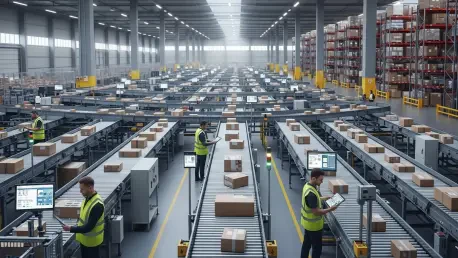
Furthermore, the integration of real-time tracking across all channels ensures that inventory remains visible regardless of its position in the supply chain. By merging digital data with physical warehouse operations, companies can predict return volumes with greater accuracy. This synchronization is vital for maintaining the fluidity required in a fast-paced retail environment.
Decoding Market Dynamics and Evolving Consumer Expectations
Consumer behaviors are shifting toward a total expectation of flexibility, where the return process is viewed as an extension of the purchase journey. Shoppers no longer tolerate restrictive policies or complex procedures, forcing brands to adopt more lenient and accessible return frameworks. This demand for convenience has created a new standard for competitive differentiation.
To keep up with these changes, retailers are analyzing massive datasets to understand why returns happen in the first place. By identifying patterns in consumer dissatisfaction, businesses can adjust their product descriptions and sizing guides. This proactive approach aims to reduce the volume of incoming goods before they ever leave the customer’s hands.
The Intersection of Consumer Convenience and Technological Advancement
Emerging trends show a significant move toward box-free and label-free return models, which serve as a marketing tool for customer satisfaction. These models simplify the process for the consumer while allowing the retailer to consolidate shipments at third-party drop-off locations. This strategy reduces the total number of individual packages entering the return stream.
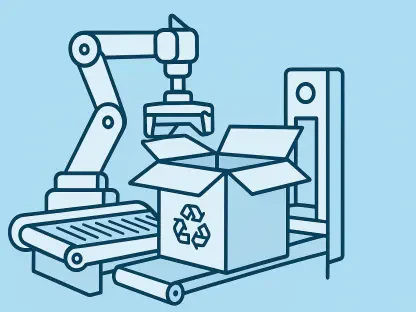
Technology plays a central role in this shift, as AI-based tools are now used to manage the high volume of incoming goods. These systems provide the necessary agility to identify and route products before they lose their seasonal or market value. Automated sorting ensures that every item is directed to the most profitable secondary channel without human intervention.
Quantifying the Growth of Global Returns and Industry Benchmarks
Industry projections for the period from 2026 to 2028 suggest that online return rates will continue to hover near 20 percent of all sales. This massive volume represents a significant financial challenge that requires a shift in how success is measured. Performance indicators are moving from simple volume tracking to measuring the total cost-to-recover.
Retailers who utilize data-driven forecasting are expected to recover a much higher percentage of an item’s original retail value. Those who fail to optimize these recovery metrics face significant margin erosion. As omnichannel penetration deepens, the financial impact of returns will become the primary determinant of long-term profit margins.
Addressing the Structural Obstacles in Reverse Inventory Management
The most daunting challenge in the industry is the disposition bottleneck, which refers to the decision-making process required for each returned item. Stagnant inventory in a warehouse represents frozen capital and ghost stock that distorts demand planning and financial reporting. Moving these items quickly is essential for maintaining a healthy balance sheet.
To overcome these hurdles, businesses are implementing granular financial tracking and automated inspection systems. These technologies move returns from anonymous processing to verified, data-backed events. This ensures that inventory remains accurate and fluid, allowing retailers to restock popular items faster than ever before.
Safeguarding Profits through Security and Regulatory Compliance
The regulatory landscape for reverse logistics is tightening, with an increased focus on consumer data protection and environmental standards. Compliance now involves rigorous security measures to combat return fraud without alienating honest shoppers. Balancing strict policies with a positive user experience is a primary goal for modern loss prevention teams.
Additionally, as sustainability becomes a legal mandate, retailers must adhere to standards that prioritize the circular economy. This means that efficient execution is no longer just about cost, but about meeting legal requirements for product lifecycle management. Reducing the volume of goods sent to landfills is now both a social and a financial necessity.
The New Frontier of Intelligent Fulfillment and Circular Commerce
The future of reverse logistics lies in the integration of autonomous decision-making and graph-enhanced reasoning. Emerging technologies allow systems to automatically reroute returned items to geographical regions where demand is highest. This prevents the unnecessary accumulation of stock in regions where items are unlikely to sell.
We are moving toward a state where circularity is achieved through operational excellence. A returned item only serves a sustainable model if it can be rapidly put back into productive use or resold. The ability to turn a return into a second-chance sale will be the ultimate market disruptor, separating industry leaders from the rest.
Strategizing for Resilience in an Integrated Retail Environment
The analysis demonstrated that treating reverse logistics as a secondary workflow was a recipe for long-term financial leakage. Successful organizations elevated returns management to a core discipline that protected the customer base and maximized inventory recovery. They viewed the point of sale as only one half of the total customer journey.
Forward-thinking leaders invested in advanced data architectures to turn the burden of returns into a distinct competitive advantage. They recognized that the true test of a retailer’s strength was the ability to manage the entire lifecycle of a product. This strategic shift allowed brands to build resilience while driving future growth in an increasingly complex market.