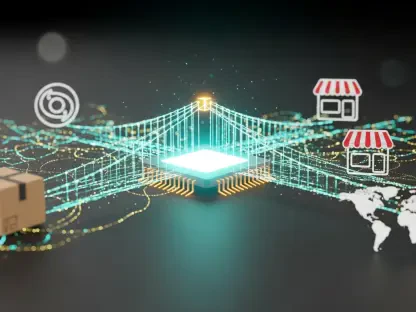

The modern marketplace has moved far beyond the binary choice between a physical storefront and a digital website, evolving instead into a fluid ecosystem where boundaries no longer exist. Today, the success of a retail enterprise is measured by its ability to maintain a single, coherent view of the customer, inventory, and transaction lifecycle. As organizations move away from fragmented multi-channel sales, the strategic focus has shifted toward unified commerce. This approach integrates real-time data across every touchpoint, ensuring that whether a shopper interacts via a mobile app or a flagship store, the experience remains consistent and informed.
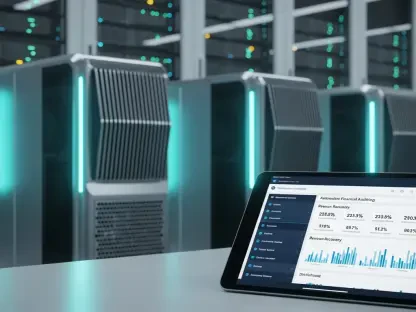
Modernizing legacy infrastructure is no longer an optional upgrade but a prerequisite for survival in a hyper-connected economy. Cloud-based integration and AI-driven platforms provide the necessary backbone for this transformation, allowing retailers to synchronize vast amounts of consumer data instantly. These technologies enable a more agile response to market shifts while helping businesses navigate the complex regulatory environment. With data privacy and consumer protection laws becoming increasingly stringent, maintaining a secure and transparent interconnected world is essential for preserving brand reputation and consumer trust.
The Strategic Shift Toward Unified Commerce and Data-Driven Retail
The transition to unified commerce represents a fundamental change in how businesses perceive value. In the past, departments often operated in isolation, with e-commerce teams and physical store managers competing for the same internal resources. Now, market leaders are breaking down these silos to create a centralized data hub. This shift allows for more sophisticated inventory management and a deeper understanding of the customer journey, turning raw data into a competitive asset that informs every business decision from procurement to final delivery.
By leveraging AI-driven analytics, retailers can now predict demand with much higher precision than previous models allowed. These systems analyze historical trends and real-time social signals to optimize stock levels across the entire network. Furthermore, the role of key market players is increasingly defined by their ability to balance innovation with ethical data handling. As consumers become more aware of their digital footprint, the brands that prioritize privacy while offering seamless integration are the ones securing long-term market share.
Market Dynamics and the Financial Impact of Seamless Customer Journeys
Evolving Consumer Behaviors and the Hybrid Path to Purchase
Consumer behavior has undergone a permanent transformation, prioritizing efficiency and speed above almost all other factors. Current research indicates that 71% of shoppers will remain loyal to a brand specifically because of its ability to provide a quick and painless service experience. This has led to a fascinating digital-physical link where the majority of purchases begin on a screen but often conclude with a visit to a physical location. Consequently, the utility of the store has been redefined; it is no longer just a warehouse for products but a hub for discovery and immediate fulfillment.
Connectivity plays a crucial role in influencing these journeys before a customer even steps through the door. Mobile devices serve as the primary research tool, allowing shoppers to check local availability and compare prices in real time. Retailers that successfully engage these consumers through personalized mobile notifications or geolocation-based offers can effectively drive foot traffic and increase conversion rates. The goal is to create a frictionless transition where the consumer feels known and valued at every stage of their interaction with the brand.
Growth Projections and the Profitability of Modern Fulfillment Models
Optimizing the customer journey is not just a matter of convenience; it is a powerful driver of financial performance. Organizations that refine these pathways often see a revenue increase between 10% and 15% while simultaneously reducing their total cost of service. The shift toward Buy Online, Pick Up In-Store (BOPIS) has proven particularly lucrative. When a customer enters a store to retrieve an online order, they are far more likely to browse, leading to a significant 35% increase in the average order value through spontaneous additions to their basket.
This phenomenon highlights the untapped potential of discovery-based shopping within the physical environment. Even in a digital age, the tactile experience of a store encourages unintended purchases that online algorithms struggle to replicate. By strategically placing high-interest items near fulfillment counters, retailers can capitalize on the foot traffic generated by digital sales. This synergy between online convenience and physical exploration creates a high-margin revenue stream that strengthens the overall health of the business.
Navigating Operational Obstacles and Inventory Transparency
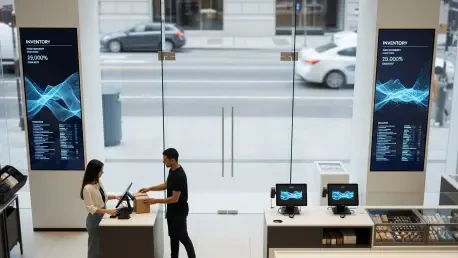
Operational success in an omnichannel world hinges on the total elimination of “out-of-stock” scenarios that frustrate modern shoppers. When a consumer encounters an empty shelf after seeing an item listed as available online, the resulting sentiment is overwhelmingly negative, often leading to immediate brand abandonment. To prevent this, retailers must achieve 100% inventory accuracy across their global supply chain. This requires breaking down internal data silos to ensure that every system, from the warehouse to the front-end website, is sharing the same truth in real time.
Closing the information gap also involves synchronizing e-commerce platforms with Point of Sale systems and loss prevention protocols. Without this synchronization, transaction lifecycles remain murky, and retailers risk making promises they cannot keep regarding delivery times. Mitigating delivery friction is a constant battle against rising consumer expectations for fulfillment speed. By implementing advanced order management software, businesses can provide the predictable, high-standard service that has become a baseline requirement for modern retail competition.
The Regulatory Landscape and Data Security in a Connected Market
As the retail ecosystem becomes more interconnected, the importance of cybersecurity and regulatory compliance has taken center stage. Navigating global standards for data handling requires a robust framework that protects sensitive financial information while still allowing for personalized marketing. Trust is the currency of the modern market; a single data breach can erase years of brand-building effort. Therefore, investing in advanced encryption and secure unified commerce platforms is a vital protective measure for any growing enterprise.
Moreover, emerging transparency regulations are forcing a standardization of how inventory and transactions are reported. Regulatory bodies are increasingly looking for accountability in the supply chain, from sourcing to final sale. Retailers must adapt by implementing systems that provide a clear, auditable trail of all business activities. This level of transparency not only satisfies legal requirements but also appeals to the growing segment of conscious consumers who demand to know more about the products they purchase and the companies they support.
Future Horizons: Personalization, AI, and the Workforce of Tomorrow
The next frontier of retail growth lies in moving beyond generic, mass-market advertising toward hyper-personalized “real-time relevance.” By utilizing data science, brands can craft offers that resonate with the specific needs and context of an individual shopper. This evolution also redefines the concept of loyalty; instead of simply tracking transactional rewards, forward-thinking companies are recognizing and incentivizing brand advocacy. Customers who influence others through social media or direct referrals are becoming the most valuable assets in a brand’s portfolio.
Empowering the human element within the store is equally critical to this future outlook. Utilizing AI and machine learning allows store associates to access real-time information, bridging the knowledge gap between them and the well-informed modern consumer. This investment in workplace technology significantly improves the economics of employee retention. By reducing the high cost of turnover through better engagement and more effective tools, retailers can cultivate a stable, motivated workforce that acts as a genuine extension of the brand’s values.
Cultivating Long-Term Value Through Integrated Retail Innovation
The transition toward a fully integrated retail environment demonstrated that the “single view” of operations served as the primary engine for sustainable financial growth. Leaders who prioritized the synchronization of digital and physical assets found themselves better positioned to weather market volatility. It was clear that success was no longer found in simply occupying multiple channels, but in the seamless execution of a unified strategy that put the consumer’s convenience at the center of the business model.
Moving forward, businesses must treat technological agility as a core competency rather than a project-based initiative. Investment should be directed toward customer-centric systems that empower the workforce and provide granular visibility into every corner of the enterprise. By fostering an internal culture that embraces continuous innovation and data-driven decision-making, retailers will be able to adapt to ever-changing habits. The ultimate winners in this space will be those who recognize that the fusion of human insight and machine intelligence is the only way to maintain a competitive edge.