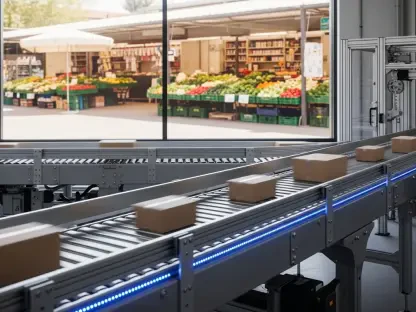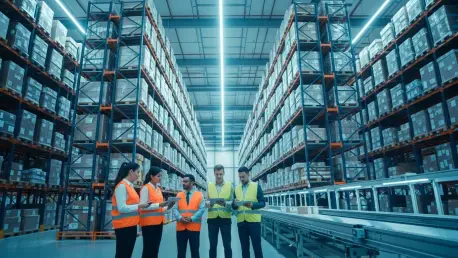

The high-stakes game of global toy distribution has entered a transformative phase where the speed of a shipping container often dictates the success of a holiday season. As consumer expectations for instantaneous delivery collide with the unpredictability of international trade routes, the industry is moving away from the sprawling, uncoordinated networks of the past. Today, the focus is on lean, centralized systems that can pivot at a moment’s notice while maintaining a steady flow of goods from manufacturing centers to the hands of children.
Efficiency in this sector now requires a sophisticated blend of technological integration and geographical foresight. Leading companies are no longer satisfied with simply leasing space; they are designing specialized ecosystems that optimize every square foot of warehouse floor. By positioning these high-efficiency hubs near major maritime gateways like the Port of Savannah, organizations can drastically reduce the time and cost associated with inland drayage, ensuring that products are staged and ready for fulfillment almost as soon as they clear customs.
The Evolving Landscape of Global Toy Logistics and Supply Chain Management
Current market dynamics demand a departure from fragmented distribution models that rely on a dozen different touchpoints. Instead, the industry is witnessing a consolidation toward mega-hubs that serve as the nerve center for regional commerce. These facilities are not merely storage spaces but are high-velocity processing centers equipped with advanced software that tracks inventory in real time. This shift allows brands to maintain lower stock levels while simultaneously improving their ability to react to sudden surges in popularity for specific toy lines.
Furthermore, the influence of major shipping ports has never been more pronounced in the strategy of global toy manufacturers. The Port of Savannah, in particular, has become a magnet for industrial development due to its capacity to handle massive neo-Panamax vessels. By establishing a presence in nearby Midway, Georgia, companies can bypass the bottlenecks often found in overcrowded traditional gateways. This proximity allows for a more agile response to market changes, ensuring that the supply chain remains a competitive advantage rather than a logistical hurdle.
Driving Efficiency Through Strategic Hub Consolidation and Modern Fulfillment
Emerging Trends in Omni-Channel Distribution and Consumer Demand
The modern retail environment requires a unified fulfillment strategy that erases the boundaries between physical storefronts and digital shopping carts. Historically, companies maintained separate silos for wholesale and direct-to-consumer orders, which often led to redundant inventory and inefficient labor usage. The new paradigm involves merging these channels under one roof, allowing a single pool of stock to satisfy a diverse array of customer needs. This holistic approach ensures that a toy destined for a big-box retailer can just as easily be diverted to a doorstep if an online order spikes.
To achieve this level of flexibility, logistics leaders are aggressively trimming their physical footprints. Moving from a scattered network of five distribution nodes to a streamlined structure of three allows for a massive reduction in administrative overhead and utility costs. By partnering with third-party logistics experts like GXO, brands can implement world-class operational standards without having to manage every minute detail of the warehouse floor. This transition toward fewer, larger, and more capable facilities is the blueprint for maintaining profitability in an era of fluctuating shipping rates.
Analyzing Market Growth Projections and Operational Performance Metrics
Modernizing a logistics network is as much a financial play as it is an operational one. The transition to a more consolidated footprint in Georgia is projected to yield approximately $8 million in annual productivity savings. These gains are realized through the elimination of redundant lease agreements and the implementation of more favorable logistics rates. By investing in a primary hub that handles nearly 30% of total U.S. volume, a company can exert much greater control over its cost per unit, which is essential for maintaining margins in a competitive toy market.
Speed remains the most critical metric for the modern consumer, and the data suggests that these structural changes are paying off. The new Georgia facility is designed to shave two to three days off the lead time for direct-to-consumer shipments, a significant improvement that directly impacts customer satisfaction. Moreover, signing long-term 10-year lease agreements provides a stable foundation against the volatility of industrial real estate markets. This stability allows for better long-term financial planning and ensures that the infrastructure remains a reliable asset for at least the next decade.
Overcoming Logistical Bottlenecks and Infrastructure Redundancies
The industry is currently recalibrating the balance between just-in-case inventory buffers and just-in-time delivery schedules. While the disruptions of previous years taught the value of having stock on hand, the costs of carrying excessive inventory can be ruinous. Large-scale facilities, such as the 600,000-square-foot site in Midway, provide the necessary breathing room to manage seasonal demand surges without the need for temporary, external storage. This internal capacity allows brands to maintain high service levels even when the broader market faces capacity constraints.
Geographic diversification remains the most effective hedge against regional instability. By balancing operations across Georgia, Illinois, and California, a company ensures that a strike at one port or a natural disaster in one state does not paralyze the entire national distribution network. Moving away from a reliance on a fragmented patchwork of smaller providers also grants the brand greater control over its shipping standards. This centralized oversight ensures that every package leaving the facility meets the exact quality and branding requirements that customers expect from a premium toy label.
Navigating the Regulatory and Compliance Standards of Modern Warehousing
Choosing a distribution site involves navigating a complex web of local economic incentives and labor regulations. Midway, Georgia, has emerged as a preferred destination because it offers a favorable environment for industrial growth while providing access to a skilled workforce. Compliance with local labor laws is paramount, and these new branded facilities are designed to exceed basic safety and security standards. This proactive approach to corporate responsibility helps attract top-tier talent and ensures that the facility operates smoothly without the risk of regulatory interruptions.
Environmental and zoning regulations also play a significant role in the development of large industrial tracts near coastal areas. Developing a massive distribution center requires a careful assessment of its impact on local infrastructure and the surrounding ecosystem. Adhering to these standards is not just a legal requirement but a strategic move to ensure the facility’s longevity. Furthermore, proximity to major U.S. entry points necessitates strict compliance with international trade protocols and customs regulations, making integrated security systems a vital component of the warehouse design.
The Future of Agile Logistics: Innovation and Resilience in a Global Market
We are seeing a notable shift where major corporations are moving away from anonymous, third-party managed spaces in favor of branded, dedicated infrastructure. This trend reflects a desire for deeper brand integration within the supply chain, ensuring that the logistics process is an extension of the product experience. Looking forward, the role of automation and AI-driven planning will likely accelerate, further increasing the throughput of these massive facilities. Predictive analytics will soon allow hubs to anticipate demand shifts before they happen, positioning stock even closer to the end user.
Network resilience will remain the defining characteristic of successful companies as they navigate future economic or geopolitical shifts. The ability to reroute shipments and adjust fulfillment priorities in real time is no longer a luxury but a fundamental requirement for survival. As consumer preferences continue to evolve toward even faster delivery windows, the logistics network must remain flexible enough to adapt. Maintaining high service levels during times of uncertainty will be the ultimate test of these newly modernized supply chains.
Strategic Implications of Hasbro’s Georgia Expansion for Long-Term Growth
The establishment of the Midway hub successfully demonstrated how a legacy brand could pivot toward a future-proofed logistical model. By consolidating five disparate nodes into a powerful three-pillar system, the organization effectively balanced the need for cost reduction with the imperative for operational agility. This strategic expansion into Georgia did more than just add square footage; it created a resilient cornerstone that optimized the flow of goods across the entire Eastern United States. The integration of high-volume processing and direct-to-consumer fulfillment under one branded roof set a new standard for how toy companies manage their physical assets.
Moving forward, industry leaders should consider how such a consolidated footprint can enhance overall profitability by reducing the friction between different sales channels. The success in Georgia suggests that long-term lease stability combined with a high-velocity location near a major port is the ideal formula for modern distribution. Companies must now prioritize investments in infrastructure that provide both scale and speed, ensuring they can meet the demands of a volatile market without sacrificing margin. The intersection of logistics excellence and competitive advantage will continue to be the primary driver of growth in the global toy industry.