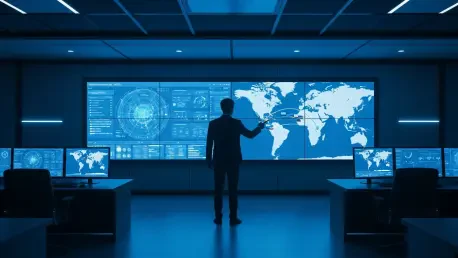

Modern corporate giants are discovering that traditional software architectures can no longer support the rapid shift toward direct consumer engagement and autonomous logistics. The current transition from fragmented legacy systems to unified, cloud-native environments is not merely a technical upgrade; it is a fundamental survival strategy for brands aiming to scale into the ten-billion-dollar range.
The Evolution of Digital Transformation in Global Retail
The shift toward modernization stems from the realization that legacy data silos act as anchors, preventing real-time agility in a volatile market. Historically, retail and manufacturing entities operated on localized databases that required manual reconciliation, leading to delayed insights and inefficient inventory management. This old model is being replaced by integrated environments where data flows seamlessly across departments.
Today, the focus is on breaking down these barriers to create a “single source of truth.” By moving to a cloud-native stance, enterprises can achieve a level of transparency that was previously impossible. This evolution allows companies to pivot from a wholesale-heavy approach to a model that prioritizes direct interaction with the end consumer, ensuring that every digital touchpoint is backed by robust backend infrastructure.
Architectural Foundations of the Modernized ERP
Transitioning to a Unified SAP Framework
The migration to a modern SAP framework serves as the backbone of this transformation, replacing the patchwork of aging applications with a centralized engine. This consolidation is critical for global operations, as it allows a company to standardize processes across different continents. By unifying the tech stack, organizations can reduce the overhead associated with maintaining multiple systems and redirect those resources toward revenue-generating activities.
This centralized approach is specifically designed to facilitate enterprise-wide scaling. When every region operates on the same logic, expanding into new markets or launching global product lines becomes a matter of configuration rather than reconstruction. This framework doesn’t just manage data; it orchestrates the entire lifecycle of a product from design to the final sale.
AI Orchestration and Big Data Integration
A primary advantage of a modernized ERP is the “big data unlock,” which allows for the deployment of sophisticated AI “super-agents.” In collaboration with partners like Microsoft, companies are now using predictive analytics to anticipate consumer demand before it manifests. These AI tools go beyond simple reporting; they act as autonomous decision-makers that optimize pricing, inventory levels, and marketing spend in real time.
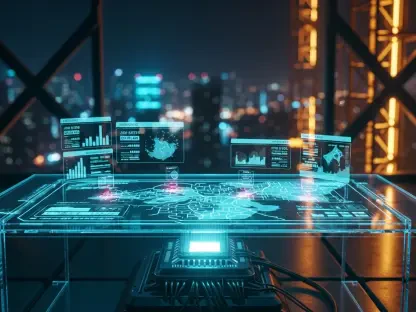
Integration at this level means that performance optimization is no longer a reactive process. Instead of looking at what happened last month, leadership can view live simulations of what might happen next week. This predictive capability is what differentiates modern leaders from their competitors, as it allows for a level of market responsiveness that manual systems cannot match.
Current Trends and Strategic Shifts in the ERP Landscape
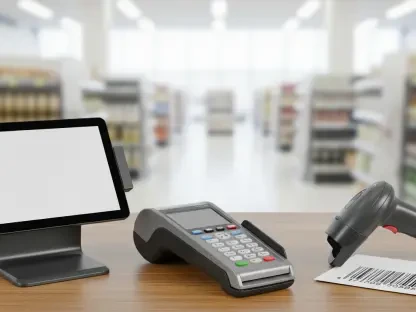
The most prominent trend in the current landscape is the aggressive pivot toward Direct-to-Consumer (DTC) business models. Modernized ERPs are specifically tuned to handle the high-volume, low-margin nature of individual shipments compared to bulk wholesale orders. This shift requires a radical rethinking of how orders are processed and how customer data is leveraged to build brand loyalty.
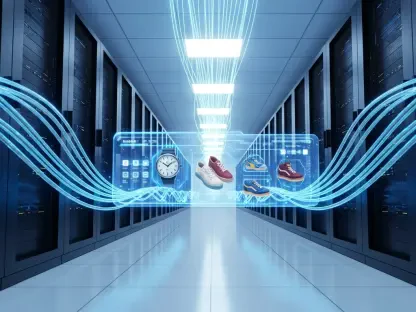
Moreover, the integration of automated logistics within the core ERP ecosystem is becoming the new standard. By bringing warehouse management directly into the digital fold, companies can synchronize their digital storefronts with their physical inventory. This eliminates the “ghost inventory” problem where items appear available online but are missing from the shelf, thereby improving the overall customer experience.
Strategic Implementation and Real-World Applications
Real-world applications of this technology are most visible in the automation of global distribution centers. Retailers are increasingly partnering with third-party logistics experts to replace manual warehouse management with robotic systems. These physical upgrades are tied directly into the ERP, ensuring that every movement of a box is recorded and analyzed for efficiency.
Such synchronization between digital and physical infrastructure allows for a truly omnichannel ecosystem. For instance, a customer can buy an item online and return it in-store, with the ERP immediately updating the global inventory and triggering a restocking order if necessary. This level of fluidity is only possible when the logistics layer is fully integrated with the financial and sales modules of the enterprise software.
Implementation Hurdles and Transition Management
Despite the long-term benefits, the road to modernization is often marked by “transition pains.” During the initial rollout of new systems, organizations frequently experience temporary fluctuations in throughput as staff adapt to new workflows and legacy hardware is phased out. These hurdles are a natural part of any large-scale digital overhaul and require careful management to prevent long-term disruptions.
To mitigate these risks, companies are employing iterative testing and strategic brand offloading. By focusing resources on core, high-growth brands and divesting from non-essential labels, leadership can ensure that the transition remains manageable. The goal is to weather the short-term dip in efficiency to achieve a much higher baseline of performance once the new system is fully operational.
The Future of Autonomous Enterprise Operations
The trajectory of this technology points toward a future defined by fully autonomous supply chains. We are moving toward a state where the ERP doesn’t just suggest actions but executes them—automatically rerouting shipments based on weather patterns or adjusting manufacturing schedules in response to social media trends. This predictive market agility will become the ultimate competitive advantage.
Future breakthroughs in AI-led orchestration will likely focus on the omnichannel experience, blurring the lines between physical and digital shopping even further. As AI becomes more deeply embedded in the operational fabric, the role of human managers will shift from manual oversight to strategic steering, allowing the machines to handle the complexities of global logistics and data processing.
Final Assessment of ERP-Led Organizational Growth
The modernization of enterprise ERP systems proved to be a decisive factor in achieving ambitious financial and operational goals. Organizations that committed to this digital restructuring gained the ability to scale efficiently while maintaining a lean operational footprint. The transition enabled a more agile response to market shifts, transforming the supply chain from a cost center into a strategic asset.
Ultimately, the successful integration of AI and automated logistics redefined what it meant to be a modern retailer. By prioritizing a unified data framework, companies moved beyond the limitations of legacy silos to embrace a future where technology and business strategy were inseparable. The shift toward a DTC-led model, supported by a robust digital core, established a new industry standard for scalability and resilience.