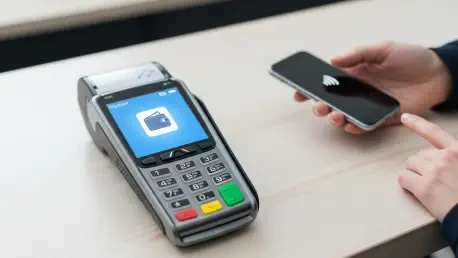

The modern retail landscape is currently defined by a “digital by default” consumer base that expects physical storefronts to operate with the same speed and fluidity as high-end mobile applications. While shoppers frequently utilize smartphones to compare prices and check inventory while standing in physical aisles, many established retailers remain tethered to monolithic legacy systems that create significant friction during the final transaction phase. This disconnect between user expectation and technical capability has reached a critical tipping point in the industry. Jumpmind has emerged as a primary contender to bridge this gap, recently earning finalist positions for the 2026 Retail Systems Awards in the categories of Point of Sale Technology of the Year and Headless and Composable Commerce Implementation. This recognition highlights a broader movement away from static checkout counters toward flexible, software-driven environments. By prioritizing a headless architecture, the platform allows for a seamless transition between online and offline channels. The emphasis on composability suggests that the era of rigid, one-size-fits-all retail infrastructure is rapidly coming to an end.
Modern Infrastructure: The Shift Toward Hardware Agnostic Platforms
Building on the need for increased agility, the core advantage of modern point-of-sale solutions lies in their ability to remain hardware and operating system agnostic. Many retailers have historically found themselves locked into expensive, proprietary equipment cycles that prevent rapid scaling or the adoption of new payment methods. Jumpmind addresses these constraints through a cloud-native, mobile-first approach that permits deployment across various devices, from tablets to traditional terminals, in just a few hours rather than days or weeks. This flexibility is further enhanced by Jumpmind Cloud, a managed service powered by AWS, which offloads the heavy lifting of server maintenance and security from the internal IT departments of retail brands. Additionally, recent improvements to the CX Connect customer-facing display have integrated PCI-compliant payment processing directly into the interface, effectively reducing the physical clutter at the register while maintaining high security standards. This architectural philosophy enables continuous updates, meaning that stores can implement new features or promotional logic in real-time without disrupting daily operations. By decoupling the software from specific hardware requirements, retailers gain the freedom to experiment with different store formats and mobile-checkout strategies that were previously cost-prohibitive.
Personalized Engagement: Transforming Data into Customer Value
The practical application of these technologies was most evident in the successful deployments at major global brands like American Eagle Outfitters, Petco, and Build-A-Bear Workshop. For example, Build-A-Bear utilized these specialized tools to provide store associates with a comprehensive 360-degree view of guest interactions, moving beyond simple transaction processing toward genuine relationship management. This level of data integration allowed for personalized rewards and immediate recognition of loyalty status, which significantly enhanced the emotional connection between the brand and its customers. Retailers looking to stay competitive in 2026 and beyond should prioritize the adoption of composable frameworks that allow for quick pivots in response to changing market demands. Investing in systems that unify promotions across all channels became the standard for maintaining price integrity and customer trust. Decision-makers found that the focus should remain on reducing friction through mobile-enabled staff and integrated payment solutions that supported various currencies and digital wallets. Ultimately, the industry shifted toward prioritizing the customer journey over the limitations of the existing hardware. These strategic implementations proved that successful modern retail required a balance of technical scalability and deeply personalized consumer experiences.